




- Bangladesh police seize bomb-making materials in Dhaka, arrest one
- Women's football team to make historic Kolkata debut with two friendlies against Russia
- Omar Abdullah welcomes tourists as Gulmarg gears up to hold national-level golf tournament
- India delivers medical supplies in Afghanistan, reaffirms humanitarian support
- Sanjay Gupta questions smoking posters of leading men in Bollywood: What about anti-smoking ads
- Nitin Nabin listens to ‘Mann Ki Baat’ with party workers at Biswa Bangla Convention Centre in Bengal
- Don’t just raise allegations, present facts: Bihar CM slams Opposition over SIR
- 'Will send wrong message': Kiren Rijiju on Rahul Gandhi targeting EC over SIR row
"The future belongs to creators who can turn ideas into value"
In Short
With more than two decades of experience in fashion and design, Nisha R. Chanda, Director of ITM Institute of Design & Media, has observed the industry evolve alongside technology, changing consumer expectations and new forms of creative practice.

Share :
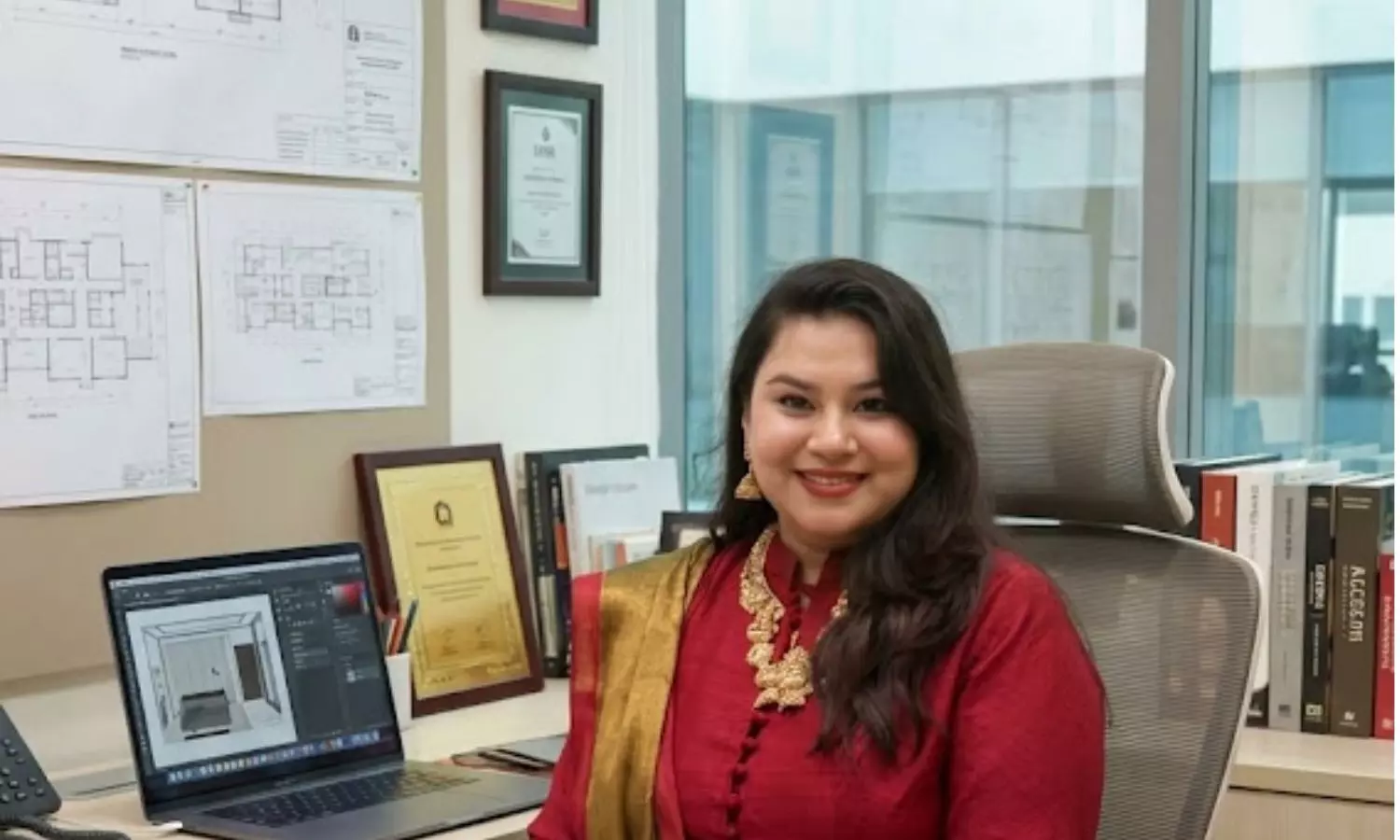
fashion and design, Nisha R. Chanda, Director of ITM Institute of Design & Media
With more than two decades of experience in fashion and design, Nisha R. Chanda, Director of ITM Institute of Design & Media, has observed the industry evolve alongside technology, changing consumer expectations and new forms of creative practice. From the growing importance of interdisciplinary skills to the expanding role of technology and entrepreneurship, the career landscape for young designers is changing rapidly. In this conversation, Chanda discusses how design education can prepare students for this evolving environment while encouraging them to develop their own creative perspectives.
Q1. Having spent more than 24 years in fashion and design, what are the biggest changes you have witnessed, and what do they mean for young creative professionals?
Over the past 24 years, fashion has evolved from being primarily product- and trend-driven into a space where creativity intersects with technology, culture, business and consumer behaviour. Earlier, strong drawing and design skills could take a professional a long way. Today, designers need to understand the journey of an idea—from concept and visualisation to branding, communication, production and market relevance.
Technology, including AI and digital tools, has also changed how quickly ideas can be explored and developed. At the same time, human creativity remains central. Young professionals need to be curious, adaptable and solution-oriented, with the ability to collaborate across disciplines and use technology to extend their creative capabilities.
Q2. Why has an understanding of branding, business, retail and consumer behaviour become important alongside creativity?
Creativity remains the foundation of fashion, but it needs to be supported by an understanding of context. Designers need to know why a product exists, who it is intended for and how it can create value.
Branding helps communicate an idea, business provides direction, retail offers insights into how consumers interact with products, and consumer behaviour helps designers understand changing needs. Bringing these perspectives together enables professionals to create work that is both creatively considered and relevant. Design is ultimately about solving problems and creating experiences, not simply producing something visually appealing.
Q3. How can design education offer international exposure while helping students develop their own identity?
International exposure should broaden a student's perspective rather than replace it. Students can benefit from learning about global design movements, diverse cultures, international practices and emerging technologies while continuing to develop their own point of view.
India has a rich visual, cultural and craft vocabulary, which provides an important foundation for creative exploration. Global collaborations, international mentors, exchange opportunities and cross-cultural projects can help students understand the wider industry while encouraging them to interpret their own influences in contemporary ways.
Q4. What career opportunities beyond conventional design roles should students explore?
The fashion ecosystem offers many career paths, including branding, creative direction, styling, visual merchandising, retail experience, trend forecasting, fashion communication, content creation, digital design and fashion technology.
Entrepreneurship is another avenue, whether through a label, studio, creative agency or specialised design business. There is also increasing scope at the intersection of fashion and technology, including AI-assisted design, digital experiences and data-informed consumer insights. Students should experiment across disciplines before deciding which direction suits their interests and strengths.
Q5. How can stronger industry-academia collaboration prepare students for professional careers?
Industry exposure should ideally begin during education rather than only after graduation. Live projects, internships, mentorship programmes, masterclasses and portfolio reviews allow students to experience real deadlines, budgets, feedback and professional expectations.
Such experiences also teach students how to collaborate and adapt when an idea needs to change. They can help learners develop confidence by allowing them to approach projects as emerging practitioners rather than only as students.
Q6. How are you working to connect classroom learning with industry exposure at ITM Institute of Design & Media?
Our approach focuses on experiential and industry-connected learning. Students engage with AI and digital tools, develop professional portfolios and work with industry-relevant design software and certifications.
Four-month paid internships and live design projects provide opportunities to understand professional workflows. Industry participation through advisory boards, masterclasses and portfolio mentoring brings current perspectives into the learning environment. Events such as Neo Spark and the Retail Symposium also give students opportunities to present their work and engage with professionals. Global collaborations and entrepreneurial mentorship further expose students to different career possibilities.
Q7. What qualities will define successful fashion and design professionals in the future?
Future professionals will need to combine creativity with technological understanding, empathy and the ability to develop ideas into meaningful outcomes. AI is likely to make many aspects of design faster and more accessible, but vision, cultural understanding, emotional intelligence and problem-solving will remain important.
Designers will increasingly need to understand not only how to create, but also how to communicate and position their ideas. An entrepreneurial mindset can help professionals build labels, lead creative teams, establish specialised studios or explore new design ventures. Ultimately, the ability to transform creative ideas into meaningful value will remain an important part of a sustainable career.
Children from Four Devipatan Districts Send Gratitude Letters to CM Yogi Adityanath
Drugs worth Rs 10.17 lakh seized in Ahmedabad; one held
Pakistan’s information environment defined by steady accretion of internet shutdowns, covert surveillance: Report
Clash erupts at SRFTI campus in Kolkata, many students injured
Noise, Questions and the Missing Answers
Govt is taking steps to address land issues: Minister Ponguleti Srinivasa Reddy
Rains subside in Chinturu Agency, flood relief underway
Karur Stampede Anniversary: CM Vijay Remembers 41 Victims, Says Pain Has Not Faded
Godavari breaches 40-feet mark at Bhadrachalam
Students From LPU Vandalise Campus After Unverified Gang-Rape, Suicide Rumours; Police Deny Claims


