




- Bangladesh police seize bomb-making materials in Dhaka, arrest one
- Women's football team to make historic Kolkata debut with two friendlies against Russia
- Omar Abdullah welcomes tourists as Gulmarg gears up to hold national-level golf tournament
- India delivers medical supplies in Afghanistan, reaffirms humanitarian support
- Sanjay Gupta questions smoking posters of leading men in Bollywood: What about anti-smoking ads
- Nitin Nabin listens to ‘Mann Ki Baat’ with party workers at Biswa Bangla Convention Centre in Bengal
- Don’t just raise allegations, present facts: Bihar CM slams Opposition over SIR
- 'Will send wrong message': Kiren Rijiju on Rahul Gandhi targeting EC over SIR row
Why vaccination doesn’t stop at 12 months
In Short
Addressing the gap in second-year vaccination in children

Share :
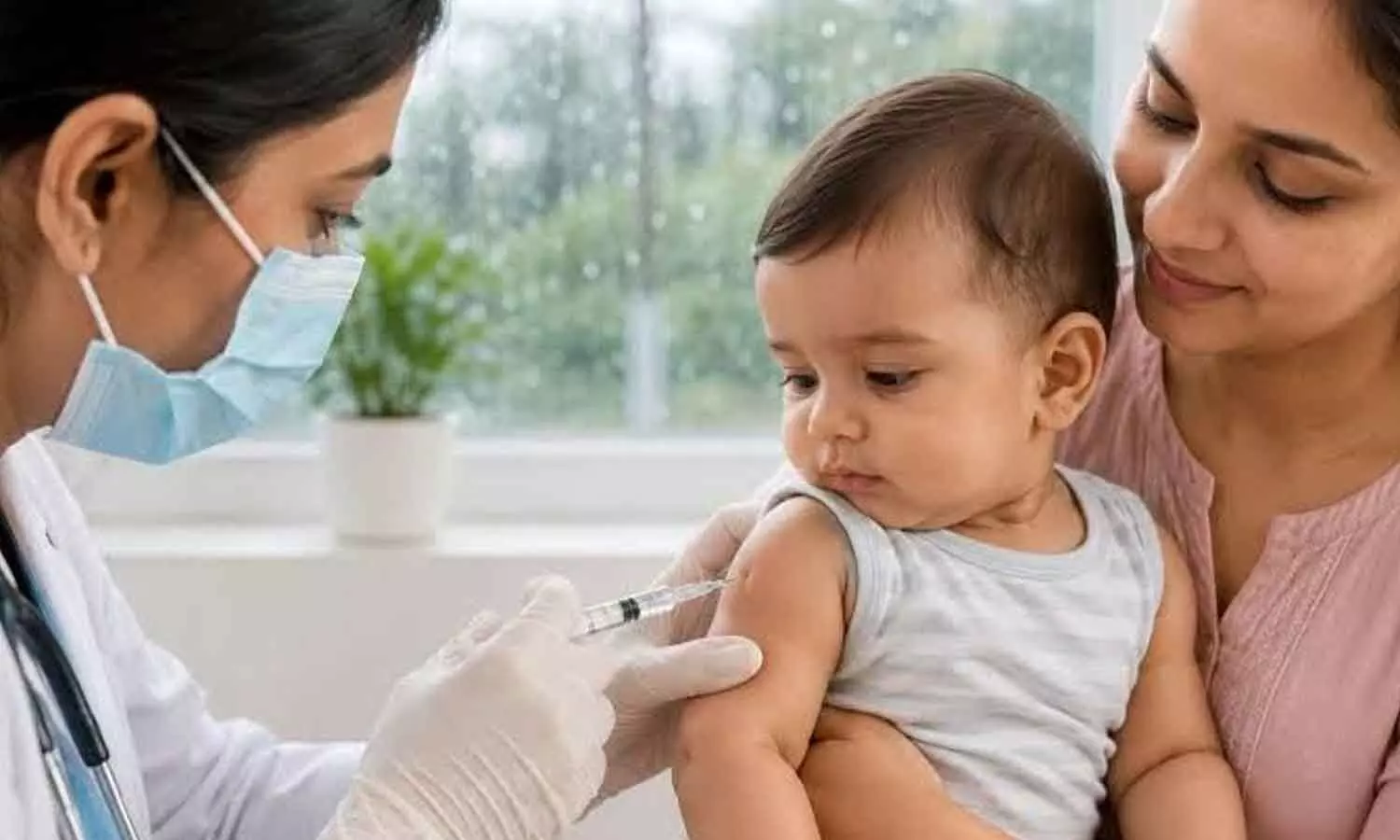
Why vaccination doesn’t stop at 12 months
The first year of a child’s life is marked by a steady rhythm of vaccination visits. This should be continued into the year that follows too.
In a child’s formative age, particularly in the second year, delaying vaccinations can create a window when children remain susceptible to preventable diseases. The second year of life is also a period of changing exposure as children may begin attending playgroups, day-care centres, family gatherings and public spaces, increasing their interaction with other children and adults, as well as the chances of contracting infections.
Getting the recommended vaccinations on time helps keep children healthy and by reducing the spread of disease within a community, protects those around them too.
Why does vaccination continue into the second year?
Vaccination schedules are designed to provide protection at different stages of a child’s development. While several primary doses are administered during infancy, subsequent doses and boosters help build or maintain protection as the child grows.
Here are some vaccine-preventable diseases that parents should continue to be mindful of in the second year of their child’s life:
1. Hepatitis A: Hepatitis A is a liver infection, which spreads through contaminated food, water or close contact with an infected person. Vaccination is one of the most effective prevention techniques against Hepatitis A. Paediatricians generally recommend vaccination beginning at 12 months, with a second dose at 18 to 19 months.
2. MMR (Measles, Mumps, and Rubella): Measles can cause high fever, rash, pneumonia or brain swelling. Mumps can cause painful swelling around the cheeks and neck but severe rare complications could also lead to brain swelling. Rubella is a viral illness that results in a mild case of rash for young children. The second dose of the MMR vaccine, recommended at 15 months, boosts protection against these diseases.
3. Diphtheria, Tetanus and Pertussis (DTaP): Diphtheria, tetanus and pertussis (also known as whooping cough) remain threats beyond infancy, making timely booster doses in the second year of life important. These infections can cause serious illness, including throat and airway complications from diphtheria, muscle rigidity and spasms from tetanus, and prolonged, coughing from pertussis.
4. Chickenpox: Chickenpox is a highly contagious infection. It can spread easily through close contact with an infected person. Chickenpox can cause painful rashes and blisters. The recommended vaccination (Varicella) for chickenpox is usually a two-dose schedule beginning at 15 months of age.
5. Influenza (Flu): Influenza is a respiratory infection that can cause fever, cough, sore throat and body aches. Vaccination against flu begins in the first year, but annual doses up to 5 years of age are recommended beyond infancy to maintain protection.
6. Haemophilus Influenzae type b (Hib): Hib is a bacterial infection that can result in serious illnesses, including meningitis and pneumonia. Vaccination helps protect children against these potentially severe infections. A booster dose recommended at 16-18 months helps strengthen the protection that is provided through primary doses in year one.
7. Pneumococcal disease: This disease can lead to serious conditions such as pneumonia, meningitis, and bloodstream infections. A pneumococcal booster dose is recommended in the second year of life to help reinforce protection.
Closing the vaccination gap after the first birthday
The challenge is not simply knowing which vaccines are due; it is ensuring that families do not lose sight of vaccination once the frequent visits of infancy become less routine.
Keeping the child’s vaccination record up to date and reviewing it regularly with the paediatrician can help parents identify upcoming doses, missed vaccinations and catch-up requirements.
(The writer is a, Senior Consultant Pediatrician and Pediatric Intensivist)
Children from Four Devipatan Districts Send Gratitude Letters to CM Yogi Adityanath
Drugs worth Rs 10.17 lakh seized in Ahmedabad; one held
Pakistan’s information environment defined by steady accretion of internet shutdowns, covert surveillance: Report
Clash erupts at SRFTI campus in Kolkata, many students injured
Noise, Questions and the Missing Answers
Govt is taking steps to address land issues: Minister Ponguleti Srinivasa Reddy
Rains subside in Chinturu Agency, flood relief underway
Karur Stampede Anniversary: CM Vijay Remembers 41 Victims, Says Pain Has Not Faded
Godavari breaches 40-feet mark at Bhadrachalam
Students From LPU Vandalise Campus After Unverified Gang-Rape, Suicide Rumours; Police Deny Claims


