How Solar Panels Generate Electricity: A Step-by-Step Guide

Learn how solar panels generate electricity with this step-by-step guide explaining photovoltaic cells, energy conversion, and solar power basics in simple terms.
Solar power has moved from a specialised idea to a widely adopted energy source across homes, businesses, and industrial projects. As electricity demand rises and energy costs fluctuate, interest in solar solutions continues to grow. At the centre of this shift is a clear question that many people ask before considering adoption: how solar panels work.
Understanding the process does not require technical expertise. A Solar System follows a clear sequence, converting sunlight into usable electricity through well-established principles. In India, where solar adoption is closely tied to energy security and sustainability goals, organisations such as Jakson Group operate within this broader field that supports solar infrastructure and power solutions.
What Is a Solar Panel
A Solar Panel is designed to capture sunlight and convert it into electricity. Panels are made up of photovoltaic cells, usually composed of silicon, which react when exposed to sunlight. This reaction is the starting point of electricity generation.
Solar panels matter because they allow energy to be produced at the point of use. This reduces reliance on centralised power stations and long-distance transmission. Over time, this approach improves energy availability and reduces pressure on conventional power networks.
Solar energy is an important part of renewal energy systems, supporting cleaner power generation with lower emissions and predictable operating costs.
The process of producing electricity using solar panels is a progression of interrelated stages, each contributing in a specific way to the process of transforming sunlight into useful energy.
Step One: Sunlight Reaches the Solar Panel
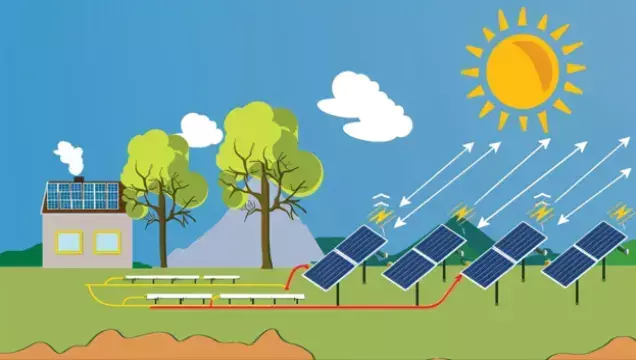
The process begins when sunlight falls on the surface of the panel. Solar panels are positioned to receive maximum exposure throughout the day, often mounted on rooftops or open ground structures.
Sunlight consists of energy particles known as photons. When these photons strike the photovoltaic cells, they interact with the silicon layers inside the panel. This interaction sets the electricity generation process in motion.
The amount of power produced depends on factors such as sunlight intensity, panel orientation, and weather conditions. Even on cloudy days, panels continue to generate electricity, though at lower levels.
Step Two: Photovoltaic Cells Generate Electrical Charge
Inside each panel, photovoltaic cells contain two layers of silicon treated differently to create an electric field. When sunlight hits these cells, it knocks electrons loose from their atoms.
This movement of electrons creates direct current electricity. At this stage, the electricity is not yet suitable for most appliances, but it forms the foundation of the entire system.
his step helps readers understand how do solar panels work by explaining the physical principles behind electricity generation, without relying on any moving components.
Step Three: Conversion of DC Power to Usable AC Power
Electricity used in homes and commercial buildings is supplied in alternating current form. The direct current generated by solar panels therefore needs to be converted before it can be used within standard electrical systems.
This function is performed by an inverter, which changes the direct current from the panels into alternating current suitable for everyday use. The converted power can then support lighting, equipment, and other electrical loads.
In addition to conversion, modern inverters support system stability by tracking output and maintaining safe operating conditions throughout the day.
Step Four: Electricity Is Used or Exported
After conversion, electricity is supplied to the building’s electrical system. Power generated by the solar installation is typically consumed first, which reduces reliance on grid-supplied electricity.
When generation exceeds immediate demand, surplus electricity may be sent to the grid, subject to applicable net metering arrangements. This enables excess power produced during one period to be adjusted against electricity use at another time.
Managing electricity across generation, consumption, and export supports efficient system operation and helps maintain grid balance.
Step Five: Grid Support and Energy Continuity
Solar systems remain connected to the grid in most cases. When sunlight is insufficient, electricity is drawn from the grid as usual. This ensures an uninterrupted power supply without the need for manual switching.
Some systems also integrate battery storage, allowing excess electricity to be stored for later use. Storage improves flexibility and supports energy availability during outages or peak demand periods. Together, these elements complete the working cycle of a solar installation.
How Jakson Supports Solar Energy Development
India’s solar growth relies on organisations that can deliver projects across different scales and applications. Jakson operates within this space by contributing to solar and energy infrastructure that supports reliable power generation. Its involvement reflects the extensive role of industry in enabling solar adoption.
- Works across solar engineering, procurement, and construction services
- Manufactures solar-related equipment aligned with Indian quality standards
- Supports rooftop, decentralised, and large-scale solar installations
- Engages across project planning, execution, and operational support
- Integrates solar solutions with broader energy systems
- Aligns solar initiatives with national energy and sustainability objectives
Why Solar Power Fits Modern Energy Needs
Solar energy aligns well with present-day energy priorities. It offers predictable operating costs, low maintenance requirements, and reduced environmental impact compared to conventional generation.
As electricity demand grows, decentralised solar systems reduce stress on transmission infrastructure. This improves reliability, especially in regions with expanding consumption.
Solar also supports long-term planning by reducing exposure to fuel price volatility and supply disruptions.
Conclusion
Solar panels generate electricity through a clear and proven process, turning sunlight into usable power through photovoltaic technology and system integration. This step-by-step flow explains why solar energy continues to gain relevance across residential, commercial, and industrial settings.
Within India’s evolving energy environment, organisations such as Jakson Group contribute to the broader solar ecosystem by supporting infrastructure and project delivery aligned with national priorities. As energy systems continue to evolve, solar power remains a dependable and forward-looking component of long-term energy solutions.
FAQs
1. What is a solar system made up of?
A solar system typically includes solar panels, an inverter, mounting structures, electrical wiring, and sometimes battery storage, all working together to generate and deliver electricity.
2. How long do solar panels generate electricity each day?
Solar panels generate electricity during daylight hours, with output varying based on sunlight intensity, weather conditions, and system orientation.
3. How do solar panels work without moving parts?
Solar panels rely on the photovoltaic effect, where sunlight causes electrons to move within silicon cells, creating electricity without mechanical motion.
4. What role does Jakson play in solar projects?
Jakson contributes to solar energy development through engineering, manufacturing, and project execution across different scales, supporting reliable solar infrastructure.
5. Is solar energy suitable for large power needs?
Yes, modern solar systems can support large-scale power requirements when designed with appropriate capacity, grid integration, and storage solutions.