Anthropic’s Jack Clark Limits Daughter’s YouTube Access Over Algorithm Fears
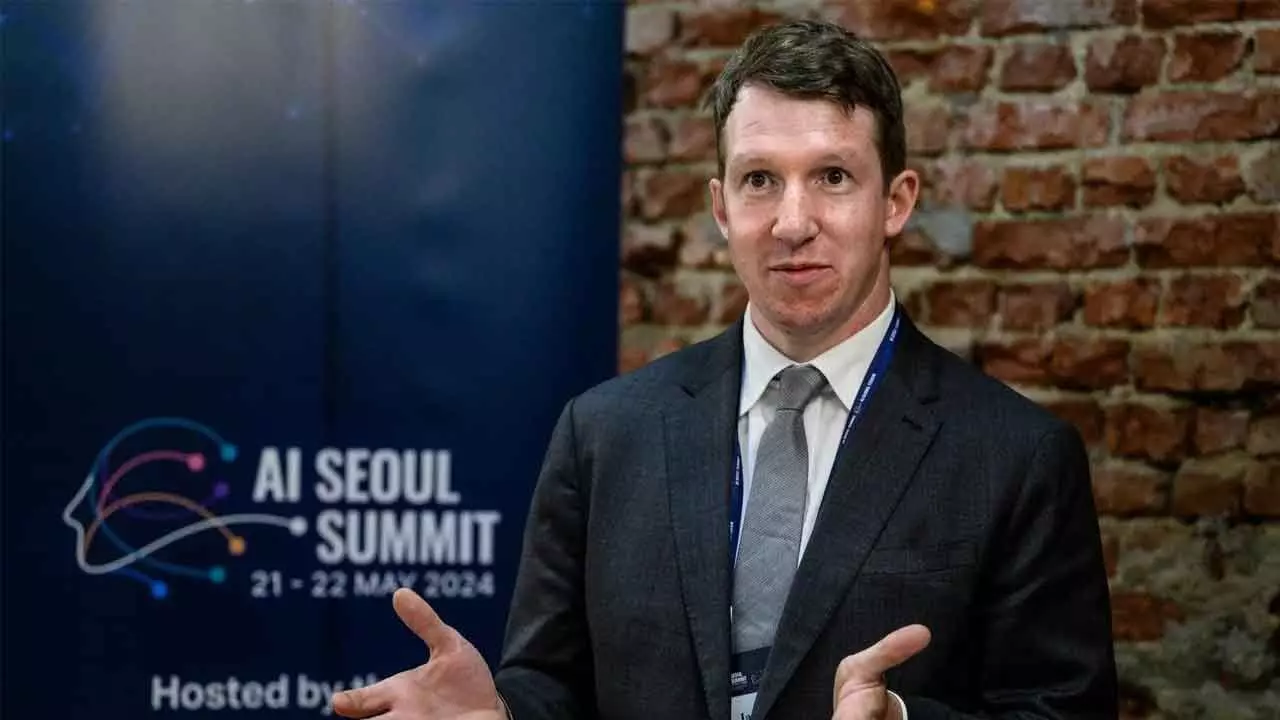
Anthropic co-founder Jack Clark says unrestricted YouTube access for his toddler “freaks him out,” citing concerns over platform algorithms.
In an era where technology is woven into daily life, even the people building the future of artificial intelligence are drawing firm boundaries at home. Jack Clark, co-founder of Anthropic, recently revealed that he does not allow his young daughter unrestricted access to YouTube — and his reasoning is simple: the algorithm unsettles him.
Speaking on The Ezra Klein Show, Clark described his parenting approach as what he called “the classic Californian technology executive view of not having that much technology around for children.” Although his toddler is permitted to watch select programs, the experience is tightly controlled.
“We have a smart TV. My toddler can watch ‘Bluey’ and a couple of other shows, but we haven’t let her have unfettered access to the YouTube algorithm,” Clark said. He did not mince words about his discomfort, adding, “It freaks me out.”
Clark acknowledged that his daughter is increasingly drawn to the platform. “But I see her seeing the YouTube pane on the TV, and I know at some point we’re going to have to have that conversation,” he shared, hinting at the inevitable challenge many modern parents face — balancing digital literacy with digital safety.
Clark, who also serves as Anthropic’s head of policy, is not alone in his cautious stance. Across Silicon Valley, prominent technology leaders have publicly spoken about restricting screen time and social media exposure for their own children.
Neal Mohan, CEO of YouTube, revealed last year that he limits his children’s access to social media platforms. His predecessor, Susan Wojcicki, previously shared that her younger children were only allowed to use YouTube Kids, a curated version designed for viewers under 13.
Elsewhere in the tech world, similar patterns emerge. Model and entrepreneur Miranda Kerr and her husband Evan Spiegel reportedly do not allow their teenage son to keep a smartphone or computer in his room after 9:30 pm. Peter Thiel has said his children are limited to 90 minutes of screen time per week.
Even industry pioneers have enforced boundaries. Bill Gates allowed his children to have cell phones only after they turned 14. And in 2010, Steve Jobs disclosed that his children had not used an iPad.
Governments are also stepping in. Australia recently became the first nation to ban social media use for children under 16, while Spain has announced comparable proposals.
Clark further emphasised that as technology becomes more “ubiquitous,” it is increasingly “hard to escape” its presence in family life. He also raised concerns beyond video platforms, pointing to artificial intelligence tools. “We serve ages 18 and up today, but obviously, kids are smart, and they’re going to try to get onto this stuff,” he said.
Anthropic currently requires users to be 18 or older to create accounts. Clark stressed that stronger systems will be necessary in the future, stating, “You’re going to need to build a whole bunch of systems to prevent children from spending so much time with this.”
His remarks echo a broader industry debate: even those shaping the digital world are wary of how deeply it reaches into childhood.