Pope Leo XIV Urges Priests to Avoid AI-Written Sermons, Focus on Faith and Authenticity

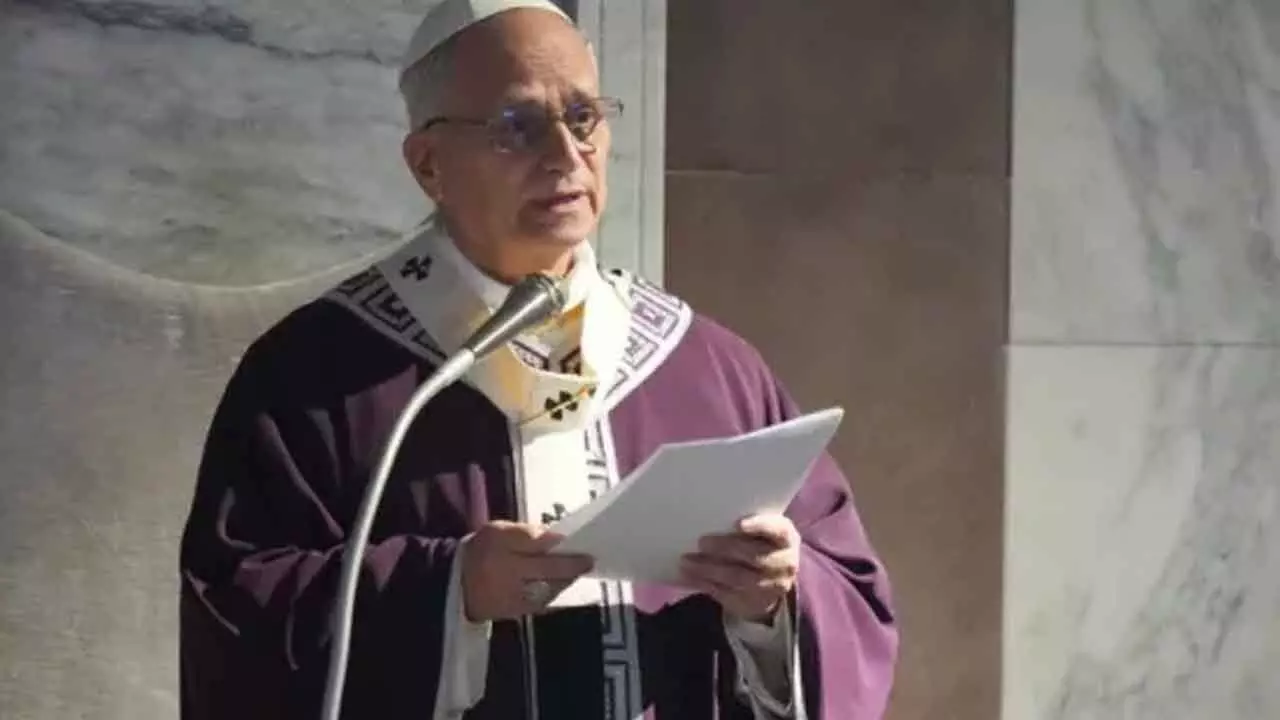
Pope Leo XIV warns priests against using AI for sermons, urging authentic faith, reflection, and less focus on social media popularity.
In an era where artificial intelligence is transforming workplaces across industries, even the Church is grappling with its influence. Pope Leo XIV has now issued a clear message to priests: do not rely on AI tools to write your sermons. Instead, he urged clergy to exercise their own intellect and draw from genuine faith and lived spiritual experience.
The Pope’s remarks came during a closed-door question-and-answer session with clergy from the Diocese of Rome on February 19. Addressing growing concerns about technology’s expanding role in daily life, he spoke candidly about what he described as “the temptation to prepare homilies with artificial intelligence,” according to Vatican News.
AI chatbots such as OpenAI’s ChatGPT and Google’s Gemini are increasingly being used by professionals to draft articles, speeches, and research papers. Reports suggest that some priests, too, have begun experimenting with these tools to assist in preparing homilies. However, Pope Leo made it clear that sermon writing should not be outsourced to machines.
Comparing the human intellect to physical strength, he reminded priests that neglecting mental effort leads to decline. “Like all the muscles in the body, if we do not use them, if we do not move them, they die. The brain needs to be used, so our intelligence must also be exercised a little so as not to lose this capacity,” Pope Leo said, as reported by Vatican News.
A sermon, traditionally delivered during church services, is a reflection on religious or moral themes, often based on passages from the Bible. For the Pope, crafting such messages requires personal contemplation and spiritual depth — qualities he believes cannot be replicated by artificial intelligence.
He stressed that reliance on AI risks diluting authenticity. “To give a true homily is to share faith,” he said, adding that artificial intelligence “will never be able to share faith.” According to him, while AI systems may be capable of generating polished language, they cannot convey genuine belief or lived spiritual conviction.
Beyond artificial intelligence, the Pope also addressed the growing presence of clergy on social media. Specifically referencing platforms such as TikTok, he cautioned priests against equating online popularity with meaningful pastoral impact. The pursuit of “likes” and “followers,” he warned, is an “illusion.”
In his view, digital engagement metrics should not be mistaken for spiritual success. Authentic ministry, he suggested, cannot be measured by social media validation but by sincere connection with faith communities.
The Vatican’s message comes at a time when AI technologies are advancing rapidly and reshaping communication worldwide. While the Church acknowledges the broader societal role of technology, Pope Leo XIV’s remarks underline a firm boundary: matters of faith, reflection, and spiritual leadership must remain deeply human.