Trump’s 25% Auto Tariff to Hit Indian Component Exports

Trump’s 25% Auto Tariff to Hit Indian Component Exports
Trump’s 25% tariff on auto components may impact Indian firms like Tata Motors, Sona BLW, and Bharat Forge as the U.S. remains a key export market.
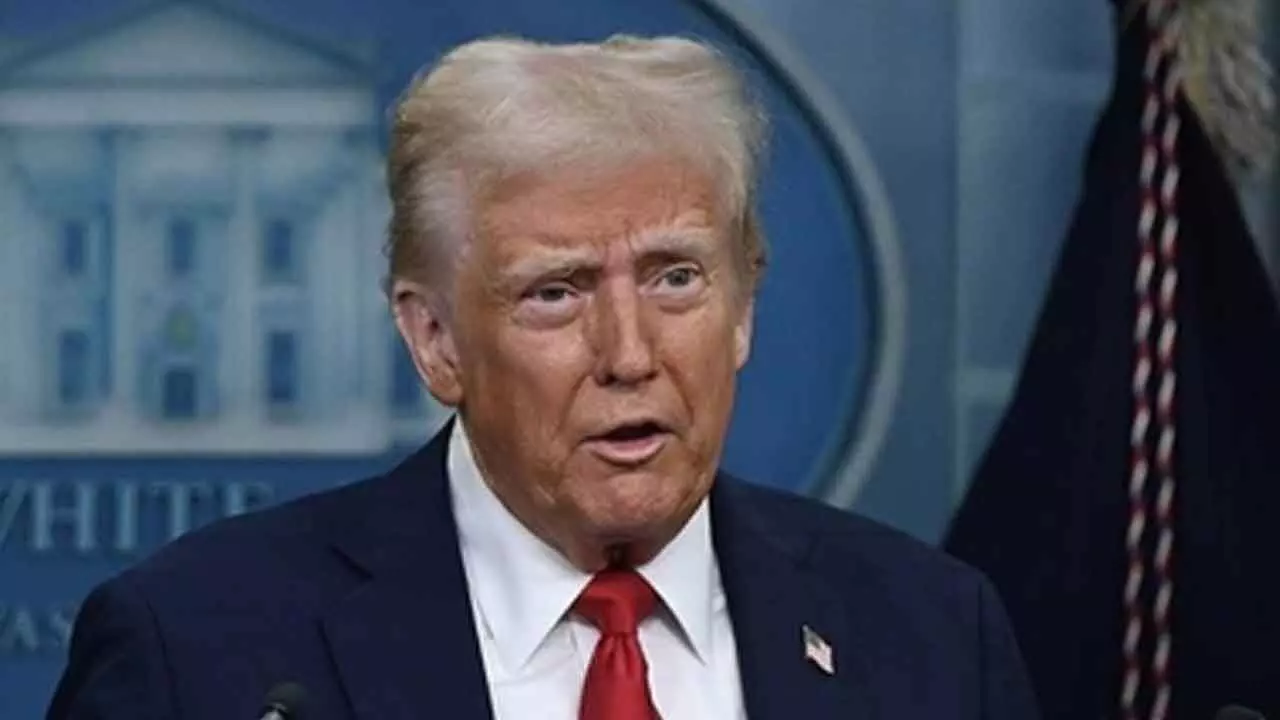
A 25 per cecnt tariff hike on auto components imposed by former U.S. President Donald Trump is expected to have varying effects on Indian auto component manufacturers. Companies such as Tata Motors, Eicher Motors, Sona BLW, and Samvardhana Motherson may face disruptions as the U.S. remains a key export destination.
Tata Motors does not directly export components to the U.S., but its subsidiary, Jaguar Land Rover (JLR), has a significant presence there. Since JLR vehicles are primarily manufactured in the UK, they will now be subjected to the increased tariff.
Several Indian component suppliers, including Samvardhana Motherson, have substantial operations in both Europe and the U.S. The company supplies parts to Tesla and Ford and operates a manufacturing facility in the U.S., which provides a buffer against the tariff impact. Meanwhile, Sona Comstar, specializing in differential gears and axles, generates 66 per cent of its revenue from the U.S. market and is more vulnerable to the new tariffs.
Auto components worth $21.2 billion were exported from India in FY24, making up a portion of the $1.2 trillion global auto component industry. Major exporters Bharat Forge, Sansera Engineering, Suprajit Engineering, and Balkrishna Industries are also expected to be affected.
Anuj Sethi, Senior Director at Crisil Ratings, noted that the tariff increase on key automobile components such as engines, transmissions, and electrical parts could reduce Indian auto component manufacturers’ operating margins by 125-150 basis points, assuming full cost absorption. Crisil Ratings estimates that about 20 per cent of India’s auto component revenue comes from exports, with 27 per cent of that directed to the U.S. market.
“Suppliers operating indirectly—those who provide parts to Tier I suppliers or original equipment manufacturers (OEMs) with the U.S. as the final destination—will also experience margin pressure,” Sethi added. “However, companies with U.S.-based manufacturing units may offset some of the negative impact through better capacity utilization.”
The U.S. administration may expand tariffs to additional auto components if necessary, though analysts predict the incremental effect will be moderate. Industry players continue to assess the long-term implications of these trade measures on supply chains and global competitiveness.