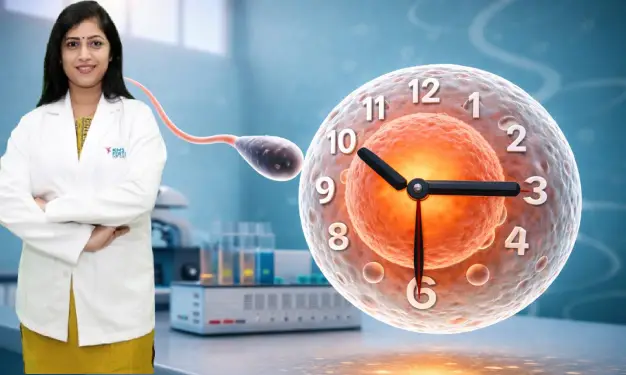
Epigenetic Clock and Fertility – Dr. Prathyusha Indrakanti

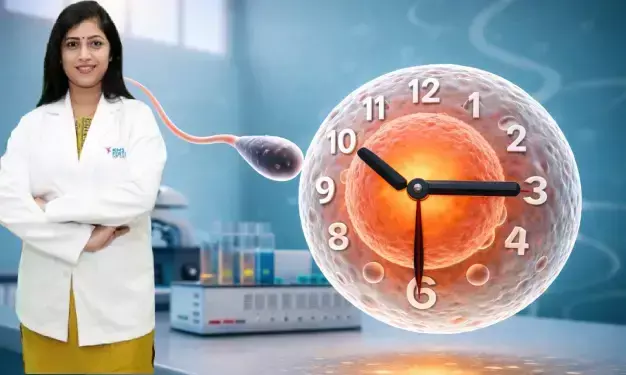
Dr. Prathyusha Indrakanti explains how the epigenetic clock influences fertility, biological aging, reproductive health, and modern fertility treatments.
Biological age is not always the same as the number of birthdays you’ve had. While your chronological age (for example, 35 years) is fixed, your biological age is a measure derived from molecules in your body that reflect how “old” your tissues behave. One of the most widely used ways to estimate biological age is an epigenetic clock — a tool that reads patterns of DNA methylation (a chemical tag on the genome) at specific sites and converts those patterns into an age estimate.
How epigenetic clocks relate to reproductive health?
Researchers have measured epigenetic age in different tissues (blood, endometrium, ovarian tissue, placenta) and compared that to fertility outcomes such as time-to-pregnancy, ovarian response in IVF, oocyte (egg) yield, and pregnancy complications. Several consistent patterns have emerged. Faster epigenetic aging (age acceleration) in a woman’s blood or reproductive tissues is often linked with poorer fertility markers — for example, lower ovarian reserve or fewer eggs retrieved during IVF. These associations do not mean causation, but they suggest that molecular signs of biological aging overlap with reproductive decline.
Epigenetic age can predict some outcomes better than chronological age alone in research settings. In a few studies, epigenetic measures added predictive value for IVF success or ovarian response when combined with traditional markers (AMH, antral follicle count), especially within certain age groups. But results vary between studies and the predictive improvement is not yet consistent enough for everyday clinical decision-making.
Pregnancy itself influences epigenetic age. There can be a temporary increase in epigenetic age during pregnancy, followed by a partial or sometimes large decline after delivery. The biological meaning of this “aging then rebound” could reflect immune, hormonal, and tissue-remodelling changes that happen in pregnancy rather than permanent damage.
Why this matters to people thinking about fertility?
Clinicians and patients want better tools to estimate remaining reproductive potential. Traditional markers such as AMH (anti-Müllerian hormone) and ultrasound antral follicle count tell us about the current ovarian reserve, but they are imperfect predictors of pregnancy chances. Epigenetic clocks promise a molecular readout of systemic and tissue-specific ageing that could complement existing tests. If validated, such tests might help answer questions like “how likely am I to respond poorly to IVF?” or “is my reproductive tissue biologically older than expected for my age?” — information that could influence counselling and timing decisions.
Important limitation is that epigenetic-age tests have not yet been endorsed for routine fertility care. More validation and standardization are needed for various epigenetic clock models to predict reproductive potential.