




- Tripura CM calls for collective efforts for inclusive development of tribal, non-tribal communities
- Gujarat leaders meet HM Shah, exchange 'Saal Mubarak' wishes on New Year
- Sonia Gandhi Recalls ‘Midnight Chat’ With Rahul Before Turning Down PM Post In 2004
- Sundar Pichai Welcomes Meta’s AI Models to Google Cloud
- Google Unveils New AI Chips in Major Challenge to Nvidia
- Kia Car wrecked in PVNR Expressway Accident in Hyderabad
- Deepavali pollution pushes two AP cities into ‘poor’ air category
- Vizag gears up for CII Partnership Summit
Funding crunch in Brussels puts EU-Asean connectivity plans at risk
In Short
At the centre of the debate is the EU-Asean Global Gateway strategy, launched in 2022 to strengthen connectivity, green transition projects and infrastructure development across Southeast Asia, according to the South China Morning Post.

Share :
European Union's ambitions to expand its presence
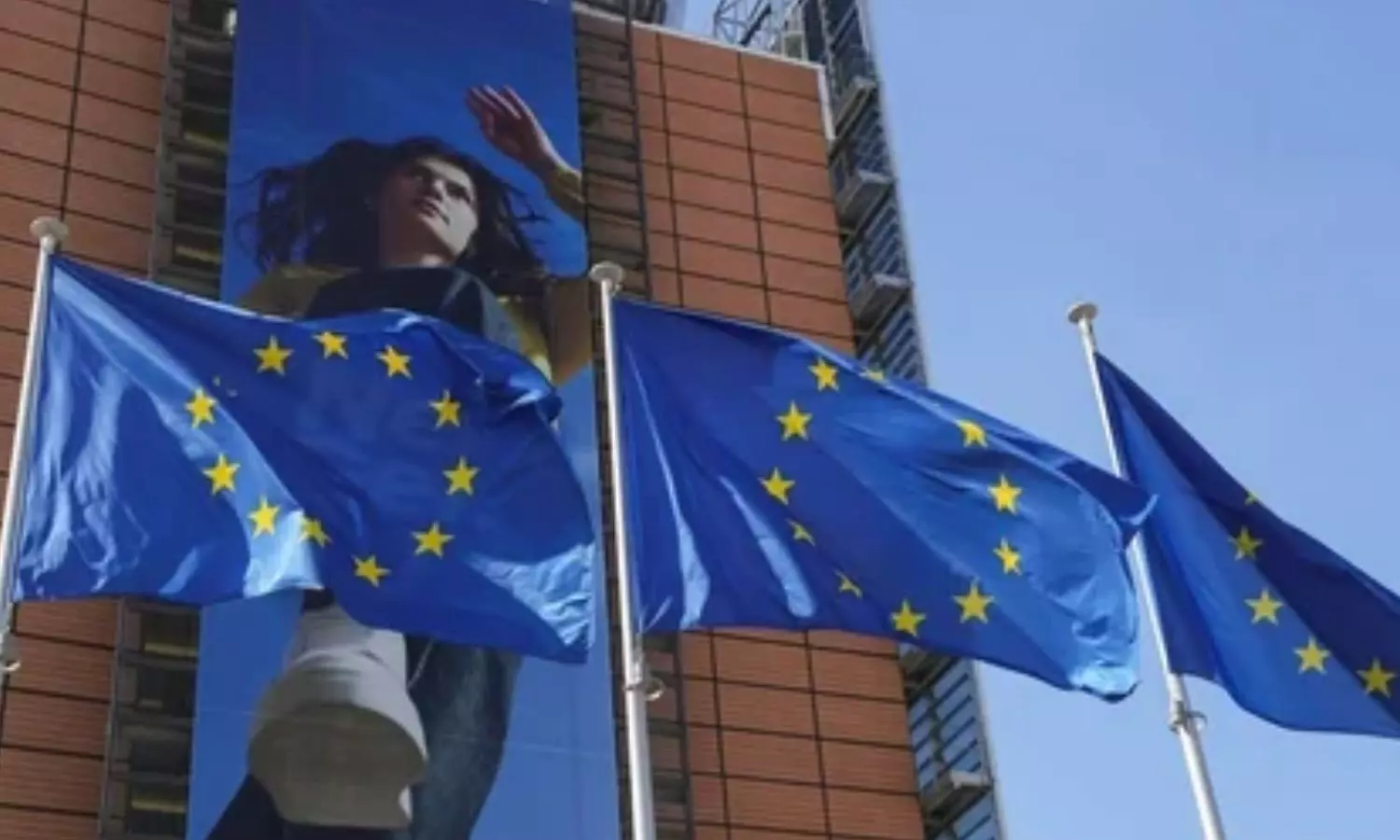
New Delhi: The European Union's ambitions to expand its presence in Southeast Asia through large-scale infrastructure and sustainability projects are facing fresh uncertainty as a prolonged budget dispute in Brussels threatens funding for overseas development initiatives, a report has said.
At the centre of the debate is the EU-Asean Global Gateway strategy, launched in 2022 to strengthen connectivity, green transition projects and infrastructure development across Southeast Asia, according to the South China Morning Post.
Backed by 10 billion euros in public funding through 2027, the initiative is a key part of the bloc's effort to deepen engagement with the Association of Southeast Asian Nations (Asean) and offer an alternative source of investment in a region where China's economic influence remains dominant.
However, the programme's future has been clouded by disagreements over the EU's 2028-2034 Multiannual Financial Framework (MFF), the bloc's long-term budget.
The European Commission had proposed an overall budget of nearly 2 trillion euros, including 200 billion euros for its Global Europe external financing instrument, a substantial increase from the current 79.5 billion euros allocation, as per the report.
The proposal has faced resistance from several fiscally conservative member states, including Germany, Austria, Denmark, the Netherlands, Finland and Sweden, which have called for significant reductions before approving the package. The opposition reflects growing concerns among net contributor countries over rising EU spending commitments amid mounting domestic economic pressures, it said.
To break the deadlock, the Irish presidency of the Council of the EU has proposed cutting Global Europe funding to 148.9 billion euros, about 25 per cent below the European Commission's original proposal.
The compromise, however, has drawn strong criticism from members of the European Parliament, who argue that reducing external funding could weaken Europe's influence at a time of increasing geopolitical competition and global instability.
Funding crunch in Brussels puts EU-Asean connectivity plans at risk
Alaya F reflects on her fitness journey with a handstand scorpion on canes
Chennai special court rejects bail plea of ex-DMK Minister Anbil Mahesh in school approval scam case
Chinese vloggers misrepresent Dhaka's impoverished neighbourhoods as New Delhi, make disparaging remarks about India
Sonia’s Memoir forgets PV Narasimha Rao from the History of Economic Reforms
Sonia’s Memoir: Selective Memories, Convenient History
AP Cabinet to meet today, to discuss major investment proposals
‘May your lives overflow with health, joy and enthusiasm’: PM Modi extends Gujarati New Year wishes
'Have no real contact with him': Sonia Gandhi on PM Modi in her memoir
Priyank Kharge questions Mohan Bhagwat over RSS 'links' in interstate ammunition smuggling racket


