Dalai Lama Confirms Succession Will Continue Amid China Tensions

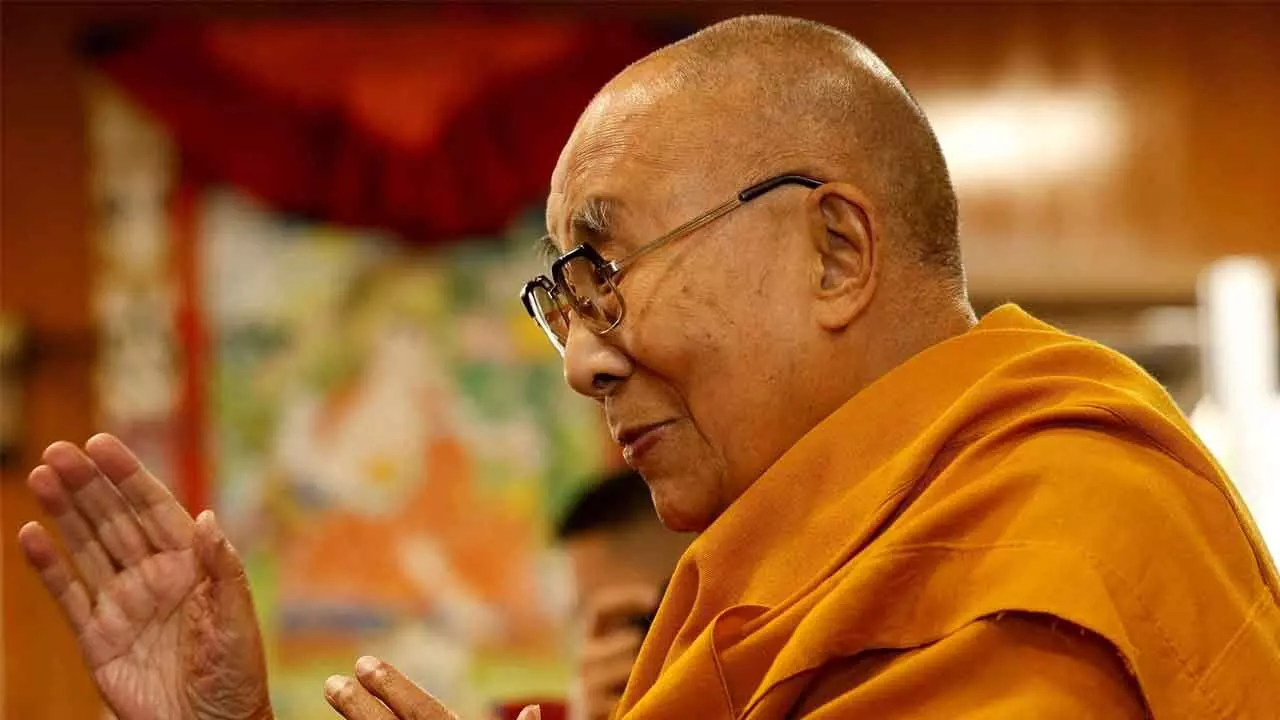
The 14th Dalai Lama announces the 600-year-old institution will continue after his death, asserting exclusive authority over successor selection before his 90th birthday.
The exiled Tibetan spiritual leader has declared that the centuries-old Dalai Lama institution will persist beyond his death, delivering a statement with far-reaching implications for his global Buddhist following and the ongoing Tibet-China conflict.
This momentous announcement carries significance not only for Tibetans but also for millions worldwide who regard the Dalai Lama as an embodiment of peaceful resistance, compassion, and the preservation of Tibetan cultural heritage under Chinese occupation.
Recognized by Tibetans as the 14th incarnation in the lineage, the spiritual leader made his declaration just days before celebrating his 90th birthday on July 6, timing that underscores the urgency surrounding succession questions.
Speaking from Dharamshala in Himachal Pradesh, where he has resided for decades, the Dalai Lama revealed he had received numerous appeals over the past 14 years from various Buddhist communities. These requests came from Tibetan exiles, Himalayan region Buddhists, and followers in Mongolia, Russia, and China, all urging the continuation of the institution.
Particularly significant were messages he received through various channels from Tibetans still living within Tibet, demonstrating the enduring connection between the exiled leader and his homeland population.
"Following all these requests, I am confirming that the Dalai Lama institution will persist," he stated during a video address to religious leaders gathered in Dharamshala, according to official translations.
The announcement comes against the backdrop of his prolonged exile, which began when Chinese military forces suppressed a Tibetan uprising in Lhasa in 1959, forcing him and thousands of followers to seek refuge in India.
His advancing years have intensified discussions about Tibetan leadership's future and the complex matter of his succession. While Beijing denounces him as a separatist rebel, the internationally recognized leader characterizes himself simply as a "Buddhist monk."
Tibetan exile communities harbor deep concerns that China might attempt to install its own chosen successor to strengthen control over the territory it occupied militarily in 1950.
Addressing these fears directly, the Dalai Lama emphasized that identifying the 15th Dalai Lama will be the "exclusive responsibility" of the Gaden Phodrang Trust, his official office.
He reinforced this position by stating unequivocally that the Gaden Phodrang Trust possesses "sole authority to recognize the future reincarnation," firmly declaring that no other entity has permission to interfere in this sacred process.
This definitive statement represents a direct challenge to any potential Chinese intervention in the succession, establishing clear religious and institutional boundaries around one of Buddhism's most significant leadership transitions.