Is Your Water Filter Really Working? A Practical Home Checklist for Safer Drinking Water

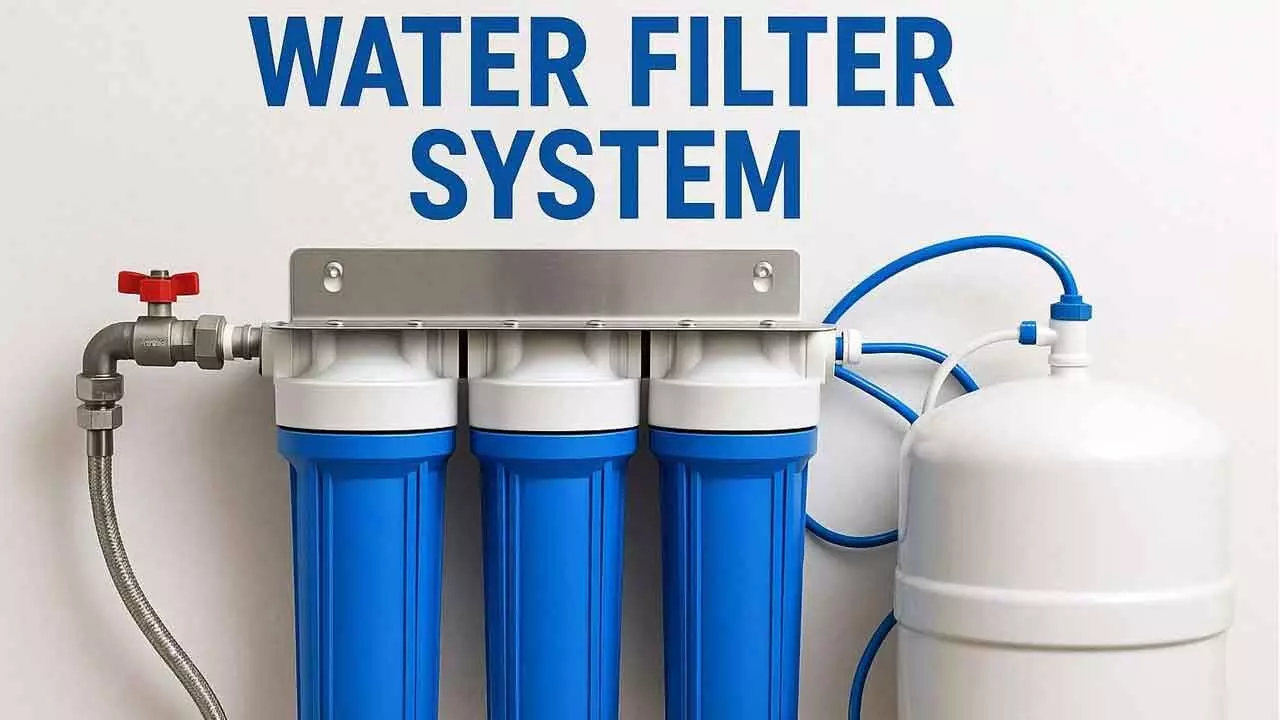
Simple checks like taste, flow, and timely servicing can help ensure your home water purifier consistently delivers safe, clean water.
Clean drinking water is something most families rarely think about—until there’s a problem. In many Indian households, water arrives from different sources such as municipal lines, borewells, or tanker deliveries. Because the quality can vary daily, water purifiers have quietly become essential appliances rather than optional add-ons.
But installing a purifier is only half the job. Filters don’t suddenly fail; they lose efficiency gradually. Without regular checks, you could unknowingly drink water that isn’t fully treated. Keeping an eye on your purifier’s performance can help protect your family’s health and prevent costly repairs later.
Here’s a simple, practical checklist to help you understand whether your water filter is still doing its job effectively.
Watch for Changes in Taste, Smell and Appearance
Your senses are often the first warning system. Filtered water should taste clean and neutral, without any strange odours. If you notice a metallic flavour, chlorine-like smell, or cloudy appearance, the filter may be saturated or clogged.
Such changes often mean the purifier is struggling to remove impurities. If these issues persist for more than a day or two, it’s a sign that maintenance may be overdue.
Keep an Eye on TDS Levels
Total Dissolved Solids (TDS) indicate how many dissolved salts and minerals are present in water. In cities and semi-urban areas, TDS can fluctuate depending on the supply source.
A good purifier should maintain stable output levels even if input quality changes. If your machine has a digital display or meter, check it occasionally. Sudden spikes or unusual readings could suggest worn-out filters or malfunctioning components that need attention.
Pay Attention to Filter Alerts
Modern purifiers often include smart indicators that signal when filters need replacement. These may appear as warning lights, digital notifications or app alerts.
Ignoring these reminders can reduce purification efficiency. Even if the filter looks fine from the outside, its internal capacity to trap contaminants may already be exhausted. Replacing filters on time helps ensure consistent protection.
Notice Water Flow Speed
The rate at which water flows can reveal a lot about filter health. Slow output usually means the filter is blocked with accumulated dirt and sediments. While minor slowdowns are normal, prolonged low flow suggests it’s time for cleaning or replacement.
On the other hand, unusually fast flow in systems designed for controlled filtration might indicate that purification stages are not functioning properly, allowing untreated water to pass through.
Ensure Protection Against Germs
Beyond visible dirt and chemicals, water may contain harmful bacteria and viruses. Many purifiers rely on UV or UF technology to eliminate these microorganisms.
Check that these systems are working consistently. Faulty indicators, frequent power interruptions, or inactive UV lights can reduce protection without obvious signs. Regular servicing helps keep these safeguards effective.
Use Only Genuine Replacement Parts
Not all filters are created equal. Counterfeit or low-quality replacements may fit your purifier but fail to clean water properly. These components often wear out quickly and may not meet safety standards.
Always choose certified, brand-approved filters. It’s a small investment that ensures reliable purification and long-term safety.
Schedule Professional Servicing
Even the best water purifier needs periodic professional care. Technicians can inspect internal parts, seals, and filtration stages to ensure everything functions correctly.
Skipping servicing may allow small issues to go unnoticed, affecting performance over time. Regular check-ups keep the system efficient and extend its lifespan.
Safe drinking water shouldn’t be left to chance. A little awareness and routine monitoring can make all the difference. By treating your purifier as an appliance that needs ongoing care—not just a one-time installation—you can ensure your household always has access to clean, dependable water.