LDF’s record third-term bid in Kerala faces challenges from UDF and rising BJP
Share :
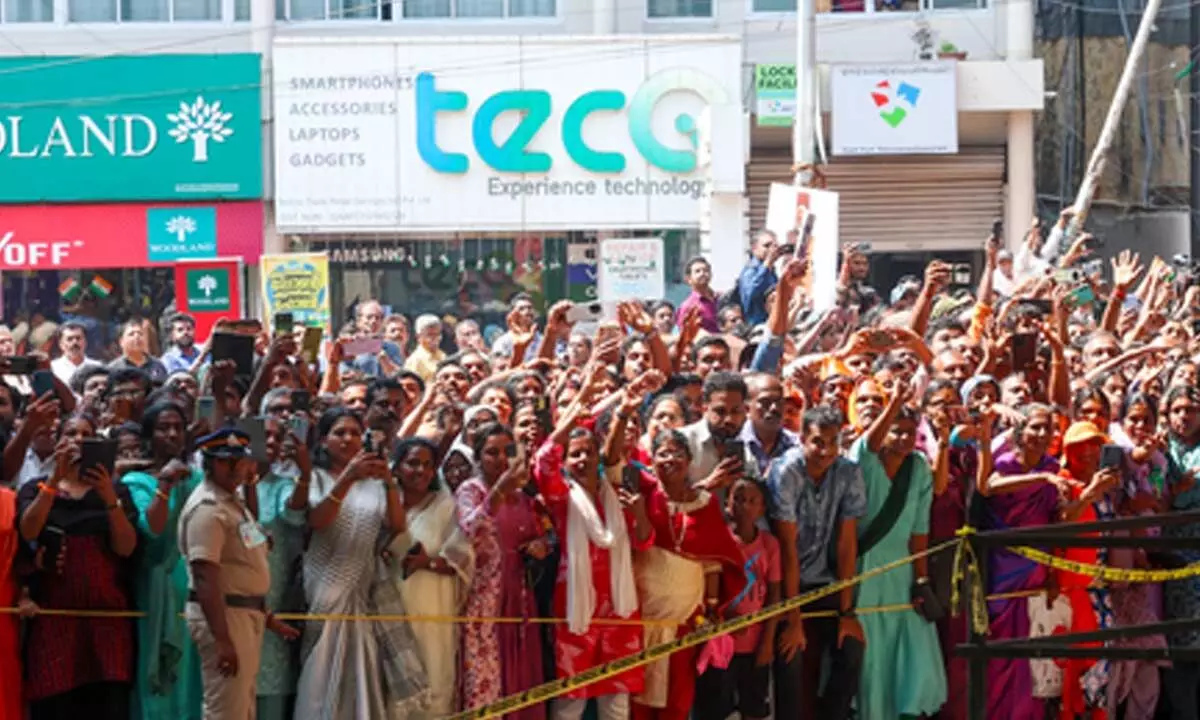
New Delhi: Kerala remains the last major bastion of the communist party, with the Left Democratic Front seeking a third consecutive victory in the forthcoming Assembly election in April-May this year and hoping to create a fresh electoral record. The LDF has already made history by retaining power in two successive terms in 2016 and 2021, the first alliance to do so in the state since 1977.
The LDF is led by the Communist Party of India (Marxist), while the Congress heads the Opposition United Democratic Front. In the 2021 Assembly elections, the ruling front returned to power with 99 seats, eight more than in 2016. The UDF won 41 seats, six fewer than its previous tally, though it improved its vote share.
The National Democratic Alliance saw its vote share decline in 2021 and lost the lone Assembly seat it had won from Nemom in 2016. However, political currents in the state have since begun to shift. In the 2024 Lok Sabha elections, the Congress-led UDF swept 18 of Kerala’s 20 seats, one fewer than in 2019, with the Congress alone winning 14.
A significant development was the BJP’s victory in the Thrissur parliamentary constituency in 2024, giving the party its first-ever Lok Sabha seat from Kerala. The LDF managed to win only one seat, with the CPI(M) retaining Alathur.
Looking ahead to the 2026 Assembly elections, early projections present a mixed picture. Some surveys conducted around mid-2025 suggested the LDF could return for a third term with a reduced majority, while others placed the UDF marginally ahead.
The local body elections held in December further underlined the changing dynamics. The UDF showed signs of revival by making inroads into traditional Left strongholds in rural areas. The BJP, meanwhile, emerged as a possible third force following a high-profile breakthrough in Thiruvananthapuram.
Many observers see the local body results as a bellwether for the 2026 Assembly polls. For the NDA, the gains after its Lok Sabha success indicated growing urban support and the potential to disrupt Kerala’s largely bipolar political contest. The BJP’s victory in the Thiruvananthapuram corporation is viewed as particularly significant, with implications for campaign strategies in urban constituencies.
In the last three Lok Sabha elections, Thiruvananthapuram has also seen the BJP push Left candidates to third place, while Congress leader Shashi Tharoor has retained the seat since his debut in 2009. In 2024, BJP candidate Rajeev Chandrasekhar lost by a margin of just 16,000 votes, with his vote share rising by over 4.2 percentage points, largely at the expense of Tharoor.
Despite the apparent improvement in the UDF’s prospects, the Congress faces its own challenges, including multiple aspirants for the chief minister’s post. Developments in neighbouring Karnataka, where a leadership tussle continues between Chief Minister Siddaramaiah and Deputy Chief Minister D.K. Shivakumar, have added to the unease within the party in Kerala.
Shashi Tharoor, after meeting Congress president Mallikarjun Kharge and Lok Sabha Leader of the Opposition Rahul Gandhi, has publicly ruled out his candidature for the chief minister’s post. Last year, however, he had shared findings of an independent survey that pointed to strong anti-incumbency sentiment and named him as the preferred chief ministerial candidate of 28.3 per cent of respondents.
While the political tide may be turning in favour of the Congress-led front, Kerala’s restless backwaters suggest that the road to 2026 is unlikely to be smooth for any contender.