






- Netanyahu calls for national unity; Gadi Eisenkot hits back at 'delusional' outgoing PM
- Website of the 19th Pravasi Bharatiya Diwas to be launched in Delhi today
- US-China AI talks still unfinished, says Rubio
- 100 tonnes of paddy straw donated to TTD Gosala
- Tirupati administration steps up preparations for high-level police conference
- An infant dumped in drainage
- All set for ‘CII Partnership Summit 2026’
- Murthy Yadav quits BJP
Diabetic foot ulcers: Treat the cause, not just the wound
In Short
Discover why diabetic foot ulcers fail to heal. Learn about the hidden dangers of poor circulation, vascular assessments, and advanced treatments ahead of World Diabetes Day.

Share :
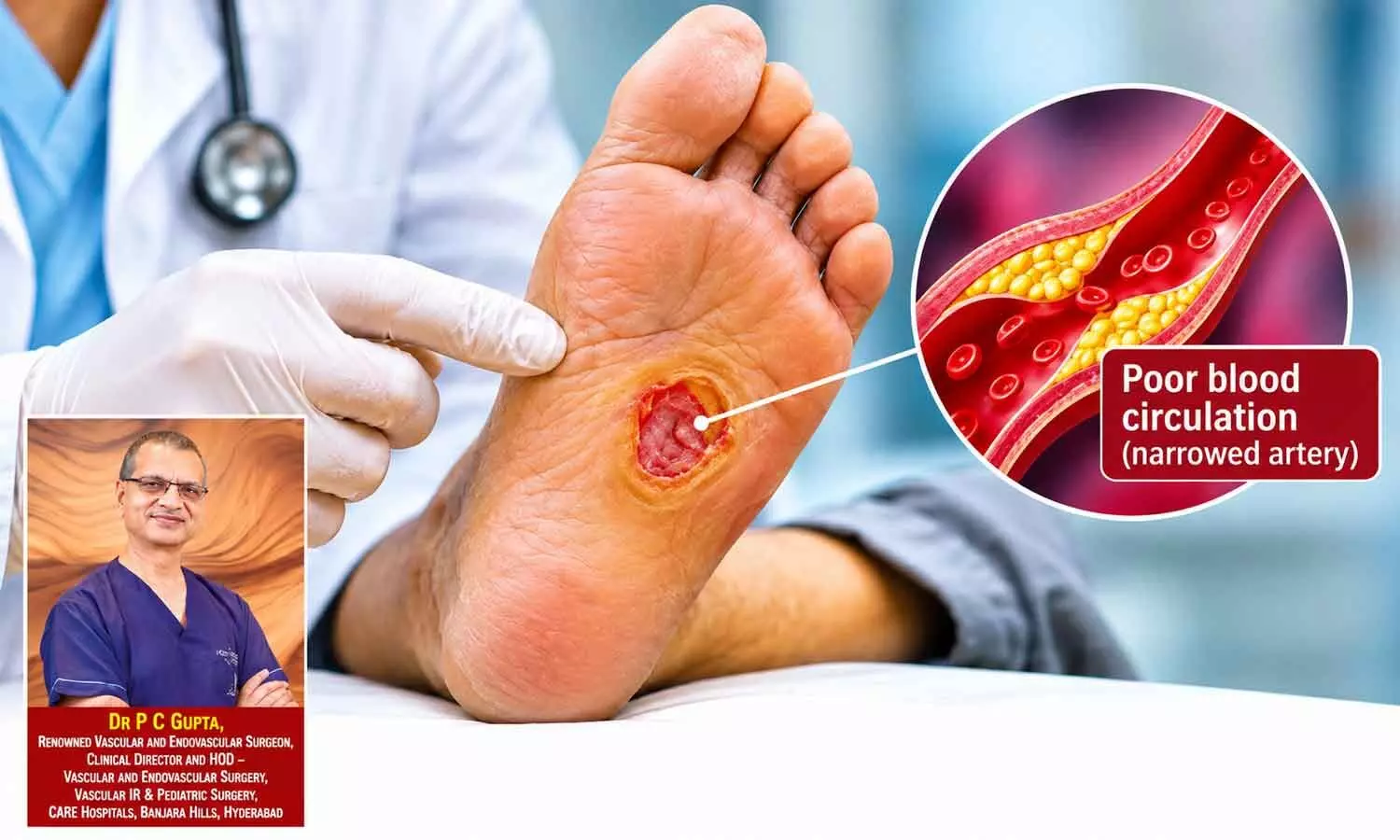
Diabetic foot ulcers: Treat the cause, not just the wound
A small wound on the foot may seem harmless, but for someone living with diabetes, it can develop into a serious medical problem. Many patients believe that applying ointments, taking antibiotics or undergoing regular dressings will eventually heal the wound. While these treatments are important when appropriately prescribed, they may not be sufficient if the underlying cause remains untreated. One of the most overlooked reasons diabetic foot ulcers fail to heal is poor blood circulation. Without adequate blood supply, even proper wound care may not produce the expected results. As we observe World Diabetes Day on November 14, it is important to understand why treating a diabetic foot ulcer requires looking beyond the visible wound.
Why Diabetic Foot Ulcers Develop
Diabetes can damage both the nerves and blood vessels supplying the feet. Prolonged high blood sugar levels may cause diabetic neuropathy, a condition that reduces the ability to feel pain, pressure or temperature changes. As a result, a person may not notice a small cut, blister or injury caused by poorly fitting footwear. Continued walking places pressure on the affected area, allowing a minor injury to develop into an ulcer.
At the same time, diabetes increases the risk of narrowing of the arteries, reducing blood flow to the feet. When nerve damage and poor circulation occur together, the risk of serious complications increases. Importantly, patients may not experience pain even when the wound is becoming deeper or infected.
Why Some Wounds Refuse to Heal
Wound healing requires adequate oxygen, nutrients and blood circulation. When arteries supplying the legs become narrowed or blocked, the affected tissues may not receive sufficient blood to repair themselves. This condition, known as Peripheral Artery Disease (PAD), is more common among people with diabetes, particularly those with high blood pressure, elevated cholesterol, kidney disease or a history of smoking.
Some patients undergo repeated wound dressings for weeks without significant improvement. While dressings protect the wound and support healing, they cannot correct severely restricted blood flow. Similarly, antibiotics may treat an infection but cannot restore circulation through blocked arteries. Therefore, a non-healing ulcer should prompt an assessment of underlying vascular disease, infection and other factors delaying recovery.
The Hidden Danger of Poor Blood Circulation
Reduced blood flow does not always produce obvious symptoms. Some patients experience calf pain while walking that improves with rest, while others notice cold feet, changes in skin colour or slow-healing wounds. However, people with diabetic neuropathy may not experience typical pain even when circulation is significantly compromised.
In advanced cases, severely restricted blood flow can lead to chronic limb-threatening ischaemia, a condition associated with rest pain, non-healing ulcers or gangrene. When poor circulation is accompanied by infection, tissue damage can progress rapidly, increasing the risk of amputation. Recognising these warning signs early is essential for limb preservation.
Why Vascular Assessment Matters
A comprehensive diabetic foot examination should evaluate the wound, blood circulation, nerve function and signs of infection. Doctors examine foot pulses, skin temperature, colour and tissue condition. Doppler ultrasound helps assess blood flow, while the Ankle-Brachial Index (ABI) compares blood pressure at the ankle and arm to identify circulation problems.
In some patients with diabetes, arterial calcification can make ABI readings unreliable. Additional investigations, including toe pressure measurements or vascular imaging, may be required. When significant arterial blockages are suspected, MR or CT angiography can help determine their location and severity, allowing specialists to plan appropriate treatment.
Modern Vascular Treatments Can Help Save Limbs
Advances in vascular and endovascular surgery have expanded treatment options for patients with diabetic foot ulcers complicated by poor circulation. In selected cases, balloon angioplasty can widen narrowed or blocked arteries using a minimally invasive catheter-based technique. Depending on the condition of the artery, a stent may be placed to maintain blood flow.
For extensive or complex blockages, vascular bypass surgery may be considered to create an alternative pathway for blood circulation. These procedures aim to improve blood supply, support wound healing and reduce the risk of limb loss. However, not every diabetic foot ulcer requires vascular intervention. Treatment depends on the severity of arterial disease, infection, tissue damage and the patient's overall health.
Why a Team Approach Is Essential
Successful diabetic foot management often requires coordination between vascular surgeons, diabetologists, wound care specialists and reconstructive surgeons. While vascular specialists address circulation problems, other specialists help control blood sugar, manage infection and provide appropriate wound care.
Removing damaged tissue, controlling infection and reducing pressure on the affected foot are important components of treatment. In selected cases, reconstructive procedures may help cover tissue defects. Addressing these factors together improves the chances of healing and reduces the risk of further complications.
Early Action Can Prevent Serious Complications
People with diabetes should seek medical attention promptly if they notice a foot wound, particularly when accompanied by swelling, redness, discharge, foul smell or skin discolouration. Blackening of the toes, fever or rapidly spreading infection requires urgent medical evaluation. Patients should avoid treating deep wounds with home remedies or attempting to remove calluses themselves.
Prevention begins with daily foot inspection, proper footwear, good hygiene and effective blood sugar control. Managing blood pressure and cholesterol, avoiding tobacco and following prescribed treatment are equally important. A comprehensive foot examination is recommended at diagnosis and at least annually thereafter, with more frequent assessments for high-risk individuals.
Look Beyond the Visible Wound
A diabetic foot ulcer is not always just a skin problem. It may indicate underlying nerve damage, poor circulation, infection or excessive pressure on the foot. Treating the wound without identifying these factors can delay healing and increase the risk of complications.
On World Diabetes Day, the message is clear: early detection, comprehensive foot assessment and timely specialist care are essential. A dressing may protect a wound, but identifying and treating the underlying cause is often what makes healing possible. Looking beyond the wound can help preserve mobility, prevent complications and reduce avoidable amputations.
Don’t exploit your position for personal gain: CM Revanth to police
Global Summit 2026: Transport Minister to meet EV makers today
Govt rolls up sleeves for TG’s fair share of Krishna waters
Onus on govt and people for a pollution-free Diwali
Cultivating resilience: Why crop diversification is Telangana’s only scientifically sound climate adaptation
We need to deal with natural calamities more effectively


