




- Govt upgrading all govt schools with corporate facilities: Narayana
- Awareness programme held at Medicover Nellore
- DGP calls for strong security plan for local body polls
- ‘Home Aayah’ scheme to skill SHG women
- Taxpayer-friendly recommendations hailed
- Pawan Kalyan to visit Polavaram tomorrow
- Serve devotees with dedication, staff told
- KIMS Bollineni performs first kidney transplant in city
Kudos to GST Council for charting a new path
In Short
The GST Council's latest recommendations aim to ease compliance, streamline refund processing, minimize ITC mismatches, and improve India's business landscape.

Share :
Kudos to GST Council for charting a new path
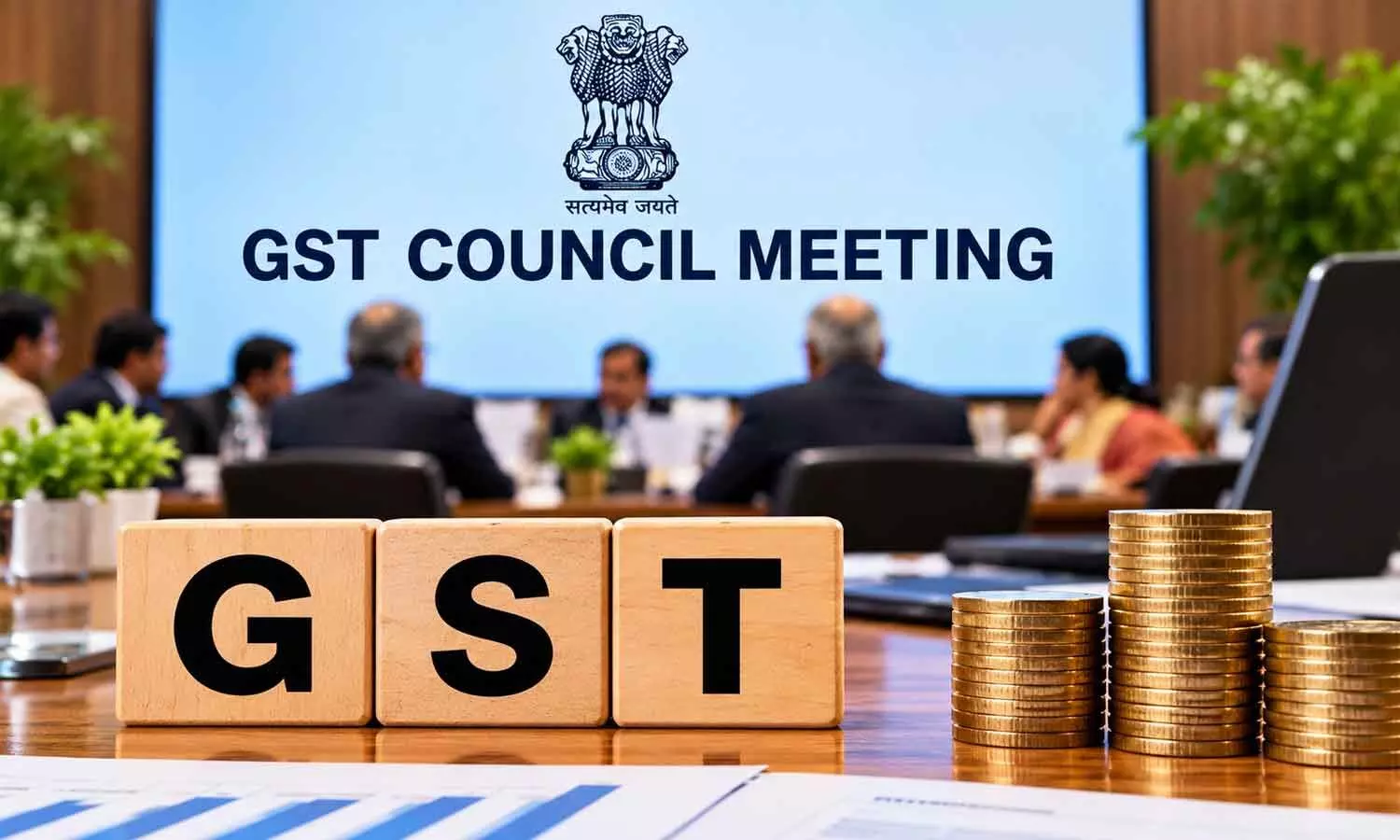
The Goods and Services Tax (GST) Council’s recommendations should be welcomed, as businesspersons, industry bodies, and experts have been calling for them for quite some time now. When implemented properly, the recommendations will not only make the lives of wealth creators easier but also help make India a better investment destination. Taking away the arrest powers of tax officers made headlines across media platforms; other suggestions to ease processes and compliance are no less important.
The effort to minimise mismatches in liability and input tax credit (ITC) in returns is also commendable. At present, ITC can be denied if the supplier doesn’t deposit the corresponding tax with the authorities, even though the recipient has complied. In other words, the recipient party suffers because of someone else’s fault—in this case, the supplier.
This is not just an anti-business policy but also unfair. The Council has decided to investigate the matter. The GST Council could have more happiness in the world of business by accepting the proposed change to allow ITC on motor vehicles. This would surely have boosted sectors such as logistics, transportation, travel services, equipment leasing, and vehicle rentals—that is, the businesses in which a lot of money is spent on vehicles.
However, the government hinted at its change in stance over the single GST rate. Addressing reporters after the GST Council meeting, Finance Minister Nirmala Sitharaman made it clear that the government is not opposed to a single GST rate: “When a review of GST was undertaken, one of the needs identified was that they [GST Council members] didn’t want four rates.
However, the question of whether they were ready to get into one rate situation remains answere. Maybe sometime in future.” This is good news, for if the Union government gives up its resistance to the single rate, it is possible that states will follow suit, as most of them are under the ruling Bharatiya Janata Party. Besides, the Congress is not against the single rate. The Council’s suggestion for common standards for GST notices and proceedings can make compliance norms easier.
Other good recommendations include no notices for monetary amounts of Rs 10,000 or below, easier compliance norms for small sellers on e-commerce platforms, and allowing employers to claim input tax credit on GST paid on employee insurance cover. Apart from improving the flow of ITC, the Council has also slashed the time limit for acknowledging refund claims from 15 days to 10 days. Authorities estimate that 90 per cent of claims will get cleared within three working days of acknowledgement.
The new measures will streamline and expedite refund processing through greater automation and reduced manual intervention, thereby facilitating timely sanction of eligible refunds and reducing compliance burden for taxpayers as well as interface with the department, an official press release said. “Introduction of automation will ensure transparency, certainty, and uniformity and will also improve cash flows for taxpayers.” Faster refunds will effectively address the working capital issues of businesses, especially the smaller ones.
The road ahead is clear; now the government has just to ensure that the journey is smooth. This requires not only translating the Council’s recommendations into timely notifications and effective implementation but also ensuring that tax officials adhere to the new rules in letter and spirit.
Kudos to GST Council for charting a new path
Ati Sarvatra Varjayet: Opposition must know where to draw the line
One El Niño and so many consequences
Rs 5,000-cr German aid to boost TG urban makeover
Rev up road projects in CURE: CM Revanth to officials
Pay for 10 days, travel for 30 days to ASR International Airport


