






- India's horticulture output estimated to rise 4.36 pc to record 3,869 lakh tonnes in 2025-26
- Suriya’s Scene Crosses ₹260 Crores Worldwide In Just 10 Days
- INS Sahyadri and Japan's JS Ise participate in maritime exercise
- OpenAI Rolls Out New AI Tools to Detect CSAM on ChatGPT
- Chennai corporation plans upgrade of 753 roads, seeks consultants for quality checks
- 184 women incorrectly declared dead in govt records denied Gruha Lakshmi benefits, claims Karnataka BJP
- JPMorgan Chase Software Bug Disrupts Banking Services Across US
- Gold and Silver rates today, 17 Nov, 2026 in Hyderabad, Visakhapatnam, check gold prices of 18K, 22K, 24K
Robotics PLI, R&D tax incentives should be key Budget 2027-28 considerations: Industry body
In Short
ASSOCHAM in a statement said India should strengthen existing PLI schemes to help raise manufacturing's share of GDP to 25 per cent.

Share :
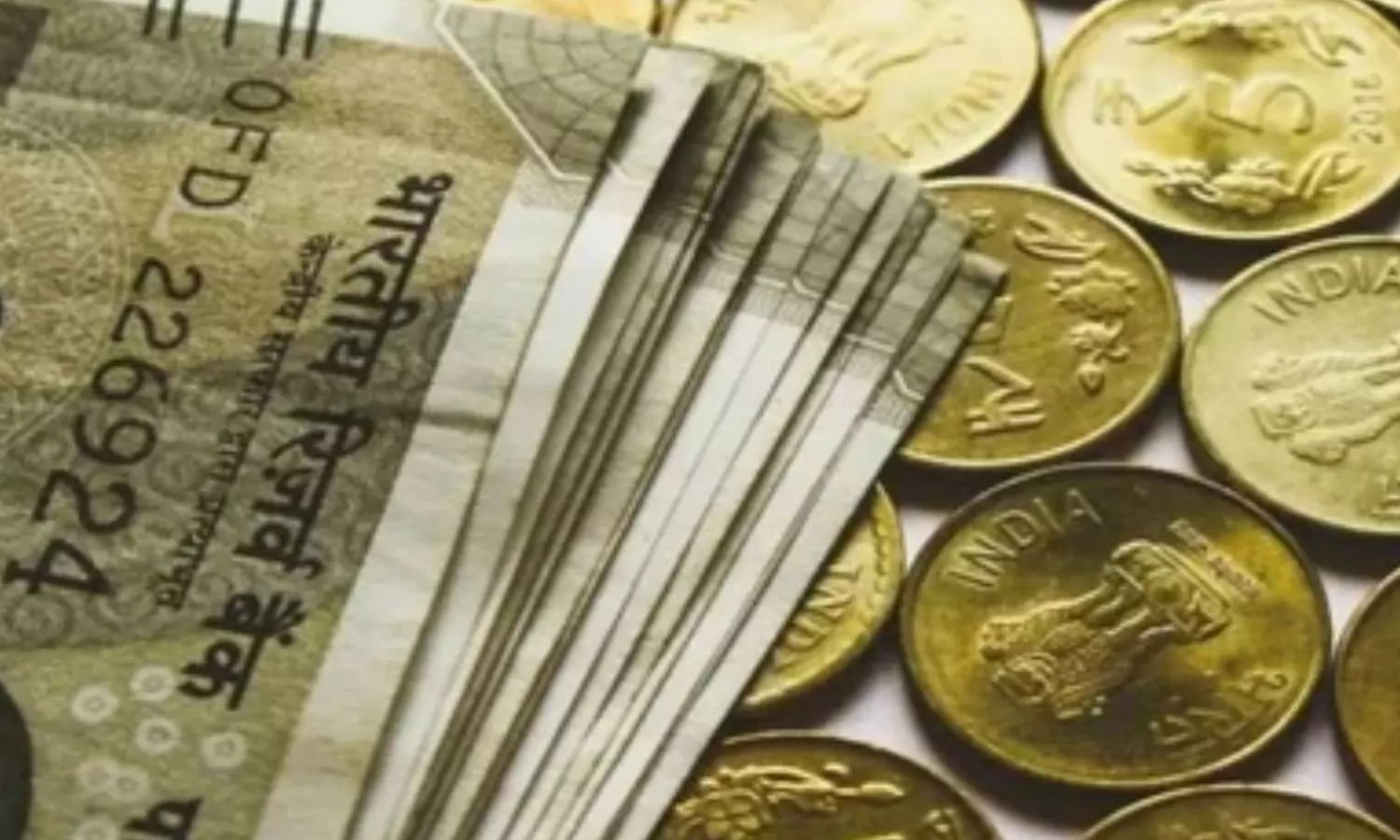
ASSOCHAM in a statement said India should strengthen existing PLI schemes
New Delhi: The government should focus on advanced manufacturing, MSME competitiveness and energy security along with a dedicated production-linked incentive (PLI) scheme for robotics and the restoration of enhanced tax incentives for research and development, an industry body proposed on Tuesday in recommendations for Union Budget 2027-28.
ASSOCHAM in a statement said India should strengthen existing PLI schemes to help raise manufacturing's share of GDP to 25 per cent.
It recommended "a dedicated PLI scheme for robotics, automation equipment, sensors, precision components and related technologies, encouraging domestic production, research and development, investment, technological self-reliance and India's emergence as a globally competitive advanced manufacturing hub".
Sectors such as specialty steel, textiles, white goods, ACC batteries and solar PV Modules also need greater policy support through simplified compliance, timely incentive disbursals and improved implementation to accelerate investment, enhance domestic value addition and strengthen manufacturing competitiveness.
The industry body proposed reinstatement of enhanced incentives related to R&D in the Act as it could boost innovation, private investment, indigenous technology and global competitiveness.
India historically promoted R&D through 200 per cent weighted tax deductions, 100 per cent deductions on eligible capital expenditure, tax benefits for industry-academia collaboration, customs duty exemptions on scientific equipment, accelerated depreciation and tax holidays for eligible R&D companies.
It proposed allowing electric vehicles to be registered and financed without batteries, providing a 3 per cent interest subvention for MSME fleet owners and extending loan tenures to seven or eight years matching the battery warranties.
Regarding the Ayurveda and AYUSH sector, ASSOCHAM called for dedicated government-industry clinical research programmes, grants and funding support to scientifically validate traditional formulations and enable greater international acceptance.
Robotics PLI, R&D tax incentives should be key Budget 2027-28 considerations: Industry body
Tamil Nadu to revamp public library book procurement amid DMK-era corruption allegations
'There was no one like Dhoni, and can't see anyone in next 10 years either': Coach MP Singh
Gehlot questions delay in allotment of official residence to former V-P Dhankhar, urges PM to intervene
Cyclone Akvan poses fresh threat to Andhra Pradesh
CM Naidu puts admin on high alert
Meet the man who turned down Rs 72L job to set up startup in Tirupati
Tamil Nadu to revamp public library book procurement amid DMK-era corruption allegations
PK Mishra applauds PM Modi’s 'visionary approach' during Gujarat earthquake and Covid-19 crisis
Why did Telangana find no mention in Sonia Gandhi’s book: BRS


