Saving Lives Is Not a Service — It’s a Responsibility

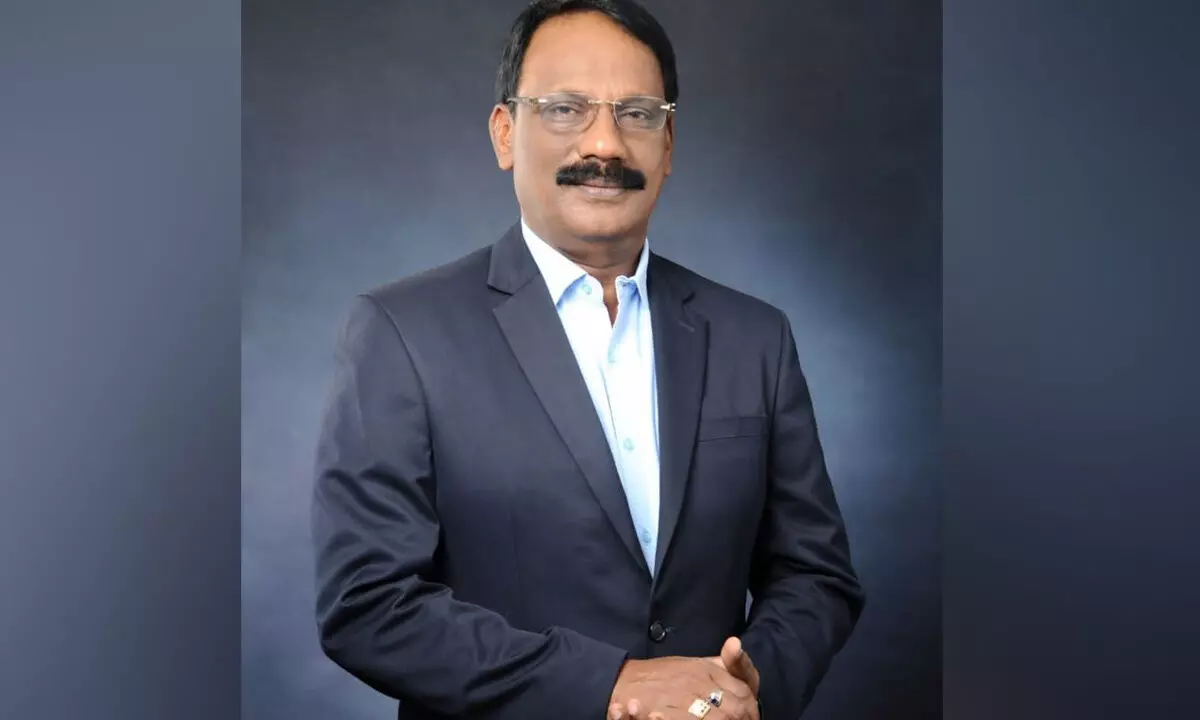
Dr P R M M Shanthakumar, founder of a trailblazing ambulance service, shared the personal tragedy that ignited his mission, the landmark moments that defined his work, and his ambitious vision for transforming India’s emergency response system
In an exclusive conversation, the founder of a pioneering ambulance service spoke about the deeply personal incident that inspired his mission, the milestones that shaped his journey, and his vision for the future of emergency response in India.
In 1978, at just 18 years old, he set out to change how the country perceived ambulances — not as mere vehicles for transport, but as vital lifelines. The turning point came when he witnessed a man dying on the street because no help arrived in time. “From that moment, I decided I wouldn’t let such tragedies repeat. Every life is valuable,” he recalled. That belief became the foundation of what would grow into the Flyinng Squad Ambulance Service, a name now synonymous with speed, compassion, and dignity.
Over the decades, his team has been entrusted with moments of immense national significance. They have managed the final rites of former Chief Ministers of Tamil Nadu — Dr. M. Karunanidhi, J. Jayalalithaa, Dr. M.G. Ramachandran, and V.R. Nedunchezhiyan — as well as overseeing arrangements for the final journey of former Prime Minister P.V. Narasimha Rao in Hyderabad and former Lok Sabha Speaker G.M.C. Balayogi in the Parliament premises. “Each of these was a moment of responsibility, not prestige. We handle all with dignity,” he said.
A key innovation — the freezer box for preserving mortal remains — gained public acceptance thanks to the legendary actor Sivaji Ganesan. “He was the first to break the taboo and allow it to be used during a high-profile mourning. His act created awareness across Tamil Nadu,” he noted. Today, freezer boxes are considered essential in households during final rites.
Despite serving high-profile figures, the service has never turned away from ordinary citizens. “Whether it’s a minister or a daily-wage worker, our commitment remains the same,” he emphasized. Thousands of emergencies, from accident rescues to medical crises, have been handled for common families — many at no cost.
The early days, however, were far from easy. “There were no helplines, no GPS, and no trained staff. I drove the ambulance myself, using hand-drawn maps to reach people,” he remembered. Slowly, persistence-built trust, and trust built a legacy.
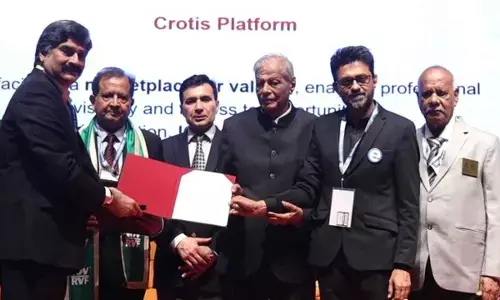
Awards and honours have come his way, but what he treasures most are heartfelt gestures — a note from a grateful family, a blessing from someone he helped, or the simple words, “You saved my father.”
Looking ahead, he envisions reaching rural areas, introducing first-aid and CPR training in schools, and ensuring ambulance response times drop below 10 minutes nationwide. His advice to young changemakers is simple yet powerful: “Don’t wait for perfect plans. Start with your heart in the right place. Whether you save one life or a thousand, what matters is that you tried.”