Bangladesh Unrest Escalates Into Diplomatic Tensions With India, Protests Erupt In Kolkata

Political violence in Bangladesh has triggered diplomatic friction with India and sparked protests in Kolkata, following the lynching of a Hindu man, the killing of a radical leader, and growing fears over minority safety.
The ongoing unrest in Bangladesh has begun to spill beyond its borders, intensifying diplomatic tensions with India and triggering street protests in Kolkata. The situation escalated after Bangladesh suspended visa services indefinitely at its High Commission in New Delhi and other missions in India, citing security concerns following demonstrations near diplomatic premises. In response, India summoned Bangladesh’s envoy and conveyed strong objections over attacks on minorities and threats to diplomatic establishments.
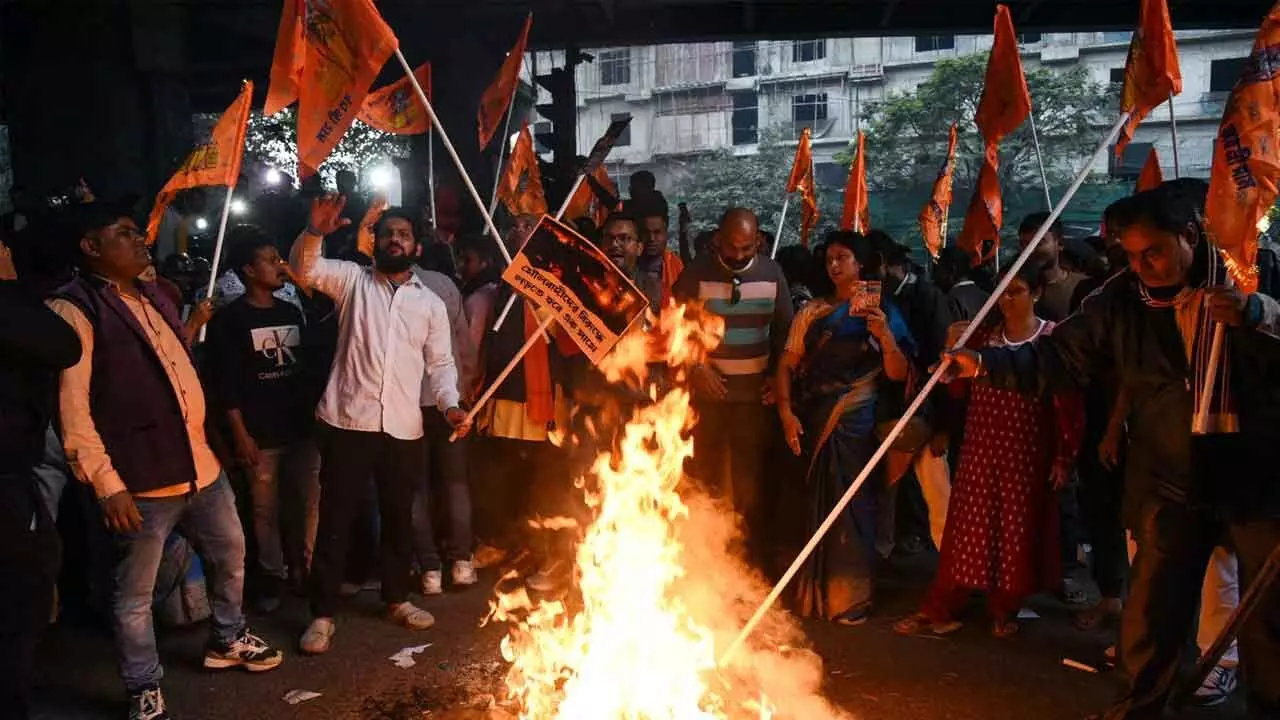
In Kolkata, anger over developments across the border erupted into large demonstrations outside the Bangladesh High Commission. Protesters condemned the brutal lynching and burning of a Hindu man in Mymensingh and voiced alarm over what they described as a rise in Islamist mob violence in Bangladesh. Demonstrations were led by Hindu organisations and political leaders, with warnings of further agitation if justice is not delivered.
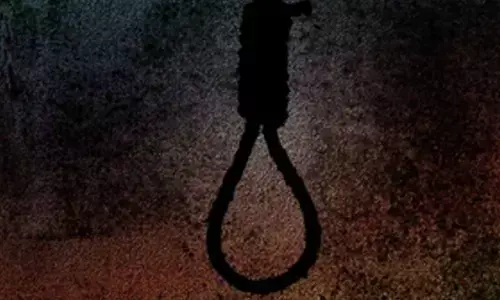
At the centre of the turmoil is a sequence of violent events that has shaken Bangladesh. A Hindu garment worker, Dipu Chandra Das, was beaten by a mob, forcibly removed from his workplace, hanged, and set on fire following unverified allegations of blasphemy. Investigations have since found no evidence supporting claims that he made any blasphemous remarks, with authorities now pointing to a workplace dispute as the likely trigger. Police say the killing unfolded over several hours and was not a spontaneous act.
Several individuals, including factory supervisors and co-workers, have been arrested in connection with the killing. Investigators allege that instead of handing Das over to the police, factory officials forced him to resign and expelled him from the premises, a delay that proved fatal. The incident has come to symbolise the breakdown of law and order in parts of the country.
Tensions deepened further after the assassination of Osman Hadi, a prominent radical youth leader who rose to prominence during last year’s uprising against former prime minister Sheikh Hasina. Hadi was shot in Dhaka, flown to Singapore for treatment, and died days later. His death has sparked nationwide protests and transformed him into a rallying symbol for radical mobilisation.
The protest platform Inquilab Mancho, led by Hadi’s associates, has issued a direct warning to the interim government headed by Muhammad Yunus. The group has threatened a mass movement to topple the administration if justice is not delivered, demanding fast-track trials and even foreign assistance to investigate the killing.
The unrest has also turned violent against the media. Offices of major newspapers, including The Daily Star and Prothom Alo, were vandalised and set on fire, trapping journalists inside for hours. Editors have described the attacks as deliberate attempts to silence independent reporting rather than spontaneous acts of protest.
Fear among minority communities has intensified, with Hindu and other minority groups staging demonstrations in Dhaka and other regions, accusing the interim government of failing to protect them from targeted violence. Human rights groups warn that minorities feel increasingly vulnerable since the fall of Sheikh Hasina’s government.
Amid the turmoil, Chief Adviser Muhammad Yunus has reiterated that Bangladesh will hold general elections on February 12, stating that the administration is prepared to manage the challenges ahead. However, critics remain sceptical, questioning whether free and peaceful elections are possible in an environment marked by mob violence, political assassinations, media attacks, and deepening instability.
Next Story