






- PM Modi praises Nitish Kumar's leadership, says Bihar's development journey continues under CM Samrat Choudhary
- ‘It was a great pleasure’: PM Modi after meeting Nitish Kumar at Patna airport
- Google Creates a Fake Internet to Test Its AI
- Tummala Nageshwara Rao orders release of Sitarama project water for crops in Bhadradri Kothagudem
- Panja Vaishnav Tej Joins Hands With Primeshow Entertainment For HanuMan 2
- Can AI solve the Riemann hypothesis, a 167-year-old problem?
- Dadasaheb Phalke International Film Festival Awards 2026: Check Out The Complete Winners List
- Anthropic CEO Dario Amodei puts culture before technical talent in hiring
Need for coordinated, science-based approach to address air pollution in Delhi-NCR: Experts
In Short
CSIR–National Environmental Engineering Research Institute (CSIR-NEERI) organised a brainstorming workshop at its Delhi Regional Centre

Share :
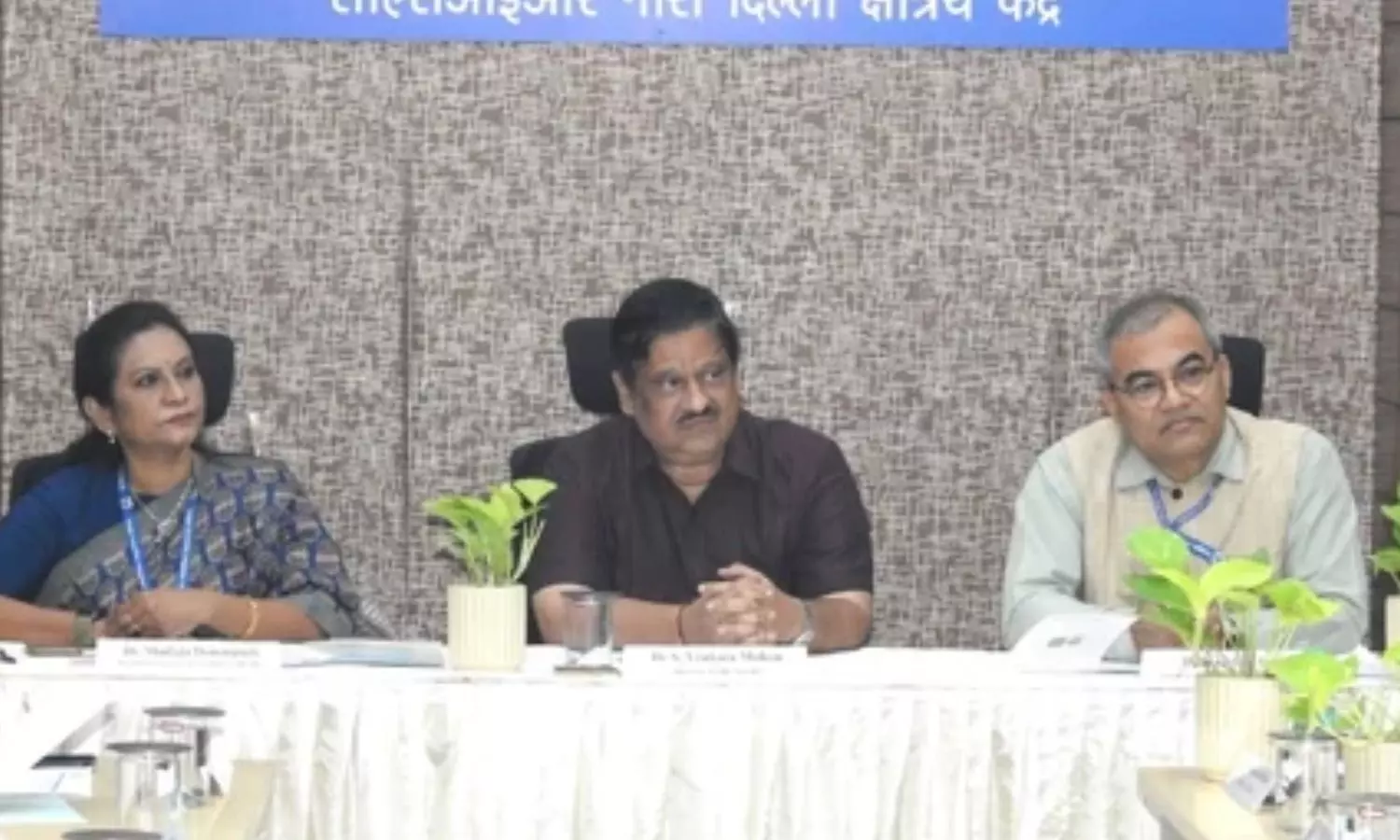
Scientists and experts highlighted the need for a coordinated
New Delhi: Scientists and experts highlighted the need for a coordinated, science-based and action-oriented approach, moving beyond isolated measures to address recurring air pollution challenges and build climate resilience in Delhi-NCR and the wider Indo-Gangetic plains, an official statement said on Saturday.
CSIR–National Environmental Engineering Research Institute (CSIR-NEERI) organised a brainstorming workshop at its Delhi Regional Centre, which brought together scientists, policymakers and technical experts to identify practical, science-based solutions to air pollution in the region.
Discussions covered airshed management, pollution sources, health impacts, climate vulnerability, pollution-control technologies, artificial intelligence-based decision-support systems and institutional partnerships. The focus was on solutions that can be implemented on a large scale and deliver measurable improvements in air quality.
Dr. SK Goyal, Scientist-G and Chair, CSIR-NEERI Delhi Regional Centre, highlighted the major air pollution challenges in Delhi-NCR and Indo-Gangetic Plains.
He stressed the need for coordinated airshed management, stronger air quality monitoring networks, and an integrated PAN-CSIR mission to convert scientific findings into practical solutions and policy measures.
Dr. Shailaja Donempudi from CSIR Headquarters stressed the need to make greater use of CSIR technologies, particularly those that have reached Technology Readiness Level (TRL) 6 and above, through field demonstrations and wider deployment across the Indo-Gangetic Plains.
Highlighting the way forward, Dr S Venkata Mohan, Director, CSIR-NEERI stated that the institute would bring together the scientific and institutional recommendations from the workshop into a policy-level brief.
The brief will identify priority interventions, technology readiness, potential demonstration projects, and opportunities for collaboration. It will help support science-based decisions and coordinated action to improve air quality and strengthen climate resilience across Delhi-NCR and Indo-Gangetic plains.
Dr. N Subrahmanyam (MoEF&CC) emphasised the need to set up a technical committee for the Indo-Gangetic plains to identify priority areas for action and develop a scientific approach for planning India's Continuous Ambient Air Quality Monitoring (CAAQM) network.
Dr. Balendra Singh (DBT) highlighted emerging research opportunities in precision nutrition and human microbiome, particularly their links with health effects caused by air pollution.
Need for coordinated, science-based approach to address air pollution in Delhi-NCR: Experts
‘Withdraw stir, permanent solution soon’: Shivakumar appeals to protesting ASHA workers
'Will write to EC against bureaucrats functioning as BJP agents': Akhilesh Yadav
Skills hold key; IITs, ITIs youth vital for India’s future: PM Modi


