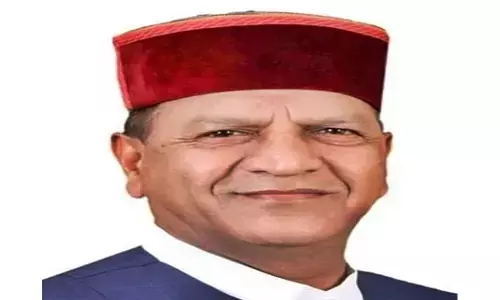
Medicinal plant cultivation offers higher returns: CEO of Aromatic Board

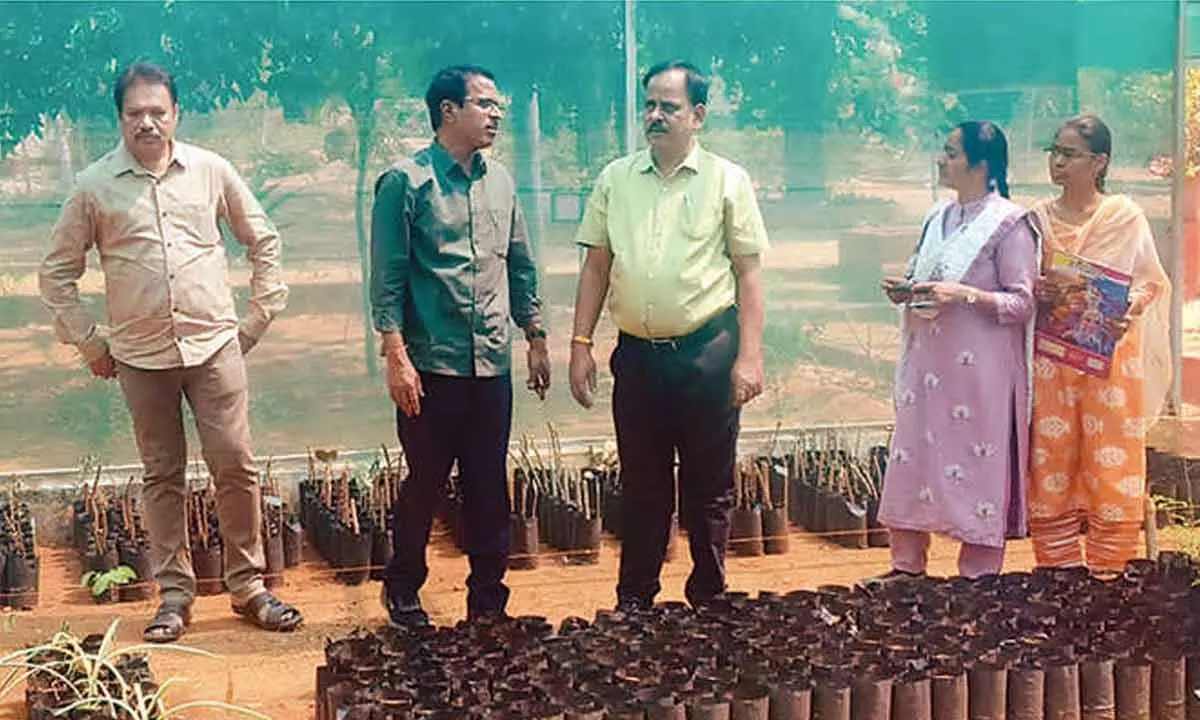
Guntakal: Cultivation of medicinal plants is a profitable and sustainable farming practice that yields higher income with relatively low investment, said Avula Chandrasekhar, Chief Executive Officer (CEO) of the Andhra Pradesh Medicinal and Aromatic Plants Board.
As part of his field visit, Chandrasekhar toured “Prakruti Vanam” at Chinna Tippasamudram village near Madanapalle in Annamayya district. He later visited the Herbal Garden at Sri Krishnadevaraya University in Anantapur and Amrutha Herbals industry at Guntakal. During the visit, he interacted with farmers and held an awareness meeting on the benefits and scientific methods of medicinal plant cultivation. Board Deputy CEO Pradeep and Prakruti Vanam organiser Prasad accompanied him.
At the university’s Herbal Garden, the CEO inspected nursery management practices and appreciated the systematic maintenance of saplings. Botany professors and research scholars participated in the programme.
Addressing farmers at Guntakal, Chandrasekhar highlighted that medicinal crops such as Tulasi, Aloe Vera (Kalabanda), and Ashwagandha are well-suited for cultivation in the region. He noted that well-drained soils, organic fertilizers, proper irrigation and market awareness are key factors for achieving good yields.
He explained recommended nursery practices, advising farmers to use bags measuring 15–18 cm in width and 19.5–20 cm in height, filled with nursery compost and manure in a 3:1 ratio. A spacing of 45–60 cm between rows should be maintained for better growth.
Apart from Tulasi, Ashwagandha and Aloe Vera, other medicinal plants suitable for cultivation include Neem, Nelavamu, Ranapala, Amruthavalli (Tippateega), Vasa and Kittanara.
The CEO stated that while many medicinal plants can withstand drought and require minimal water, assured irrigation would significantly improve yields. He suggested watering methods similar to leafy vegetable cultivation. Plants can be raised either through direct sowing of seeds or through stem cuttings.
Chandrasekhar emphasised the importance of adopting organic methods, stating that compost and natural fertilizers enhance soil fertility and plant health. Crops such as Ashwagandha, Turmeric, Ginger and Aloe Vera enjoy strong market demand and are widely used in Ayurvedic, Unani and Allopathic medicine production.
He further informed farmers that both the National and State Medicinal Plants Boards provide incentives and technical support for cultivation. Specialised training programmes are also available to interested farmers. He advised cultivators to use quality seeds, maintain proper crop management practices and follow correct harvesting methods to maximise returns.
Several officials, farmers and local residents participated in the awareness programme.