Trust reborn: Rural hospitals record 33pc spike in deliveries in 3 months

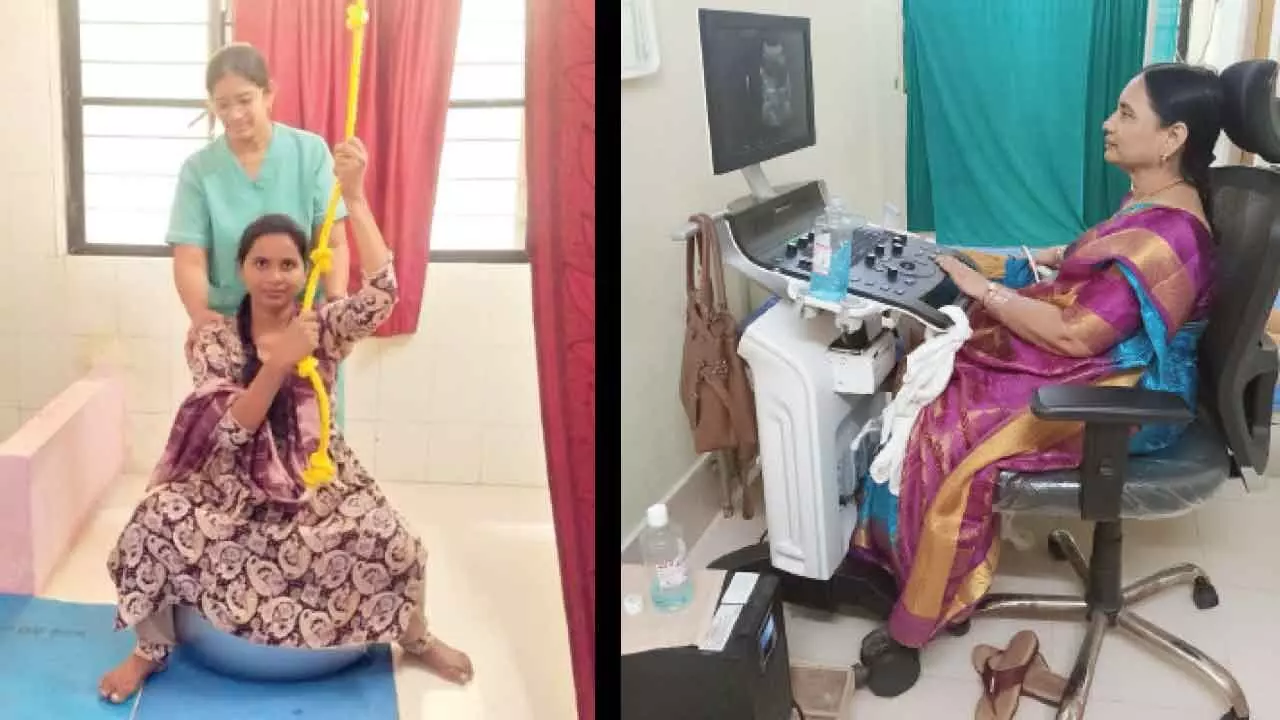
District wide deliveries rise from 300 in February to 400 in April across Vaidya Vidhana Parishad hospitals in isolated parts of tribal district
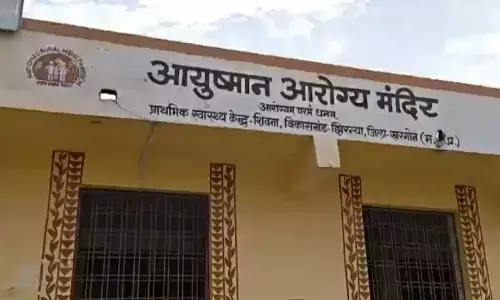
Kothagudem: Where once there was a serious scarcity of specialised physicians, Vaidya Vidhana Parishad hospitals in isolated parts of the tribal district have now registered a sharp rise in the number of deliveries in the past few months. Notably, the hospitals across the district, including those at Bhadrachalam, Cherla, Aswaraopet, Manuguru, Burgampadu, Palvancha, and Yellandu, have recorded a major spike of a 33.33% rise in deliveries from February to April of the year. Not only that, pregnant women are lining up at the government hospitals. Dr Ravi Babu, the District Coordinator of Hospital Services (DCHS), speaking to The Hans India said, “It is significant to note that 58 deliveries occurred at the Manuguru Hospital in April, compared to just eight in February. In the month of April, the district saw 400 deliveries, up from 300 in the month of February.”
It is highly likely that this number will rise even more and it’s not just because of the affordable pricing these hospitals offer. “The high percentage of safe, incision-free births in government facilities is noteworthy. Compared to private hospitals, government institutions perform a relatively small proportion of caesarean sections,” said Dr Babu.
But this isn’t just a fluke. This was a well planned and meticulously executed strategy by the government. On multiple occasions, Chief Minister Revanth Reddy, district ministers, and public officials instructed District Collector Jitesh V Patil to give the doctor shortage extra attention. Patil in turn instructed Dr Babu to provide a notification and announce more incentives for doctors. What followed was numerous specialised physicians being hired by various Vaidya Vidhan Parishad hospitals in outlying locations drawn by the incentives and wages offered. Now there are obstetricians, paediatricians, anaesthesiologists, and radiology doctors nearby, who are treating patients well. Dr Babu is well aware of their efforts.
In their appreciation, he added, “The number of deliveries in government hospitals has increased due to the regular cooperation of local public representatives, official coordination, infrastructure establishment with the district collector’s assistance, availability of doctors and medical staff around-the-clock, lab test and ANC/TIFA scan availability for pregnant women, availability of childbirth-related medications, and installation of air conditioners and coolers in maternity wards.”
Of course, one cannot neglect the affordability factor. In private hospitals, a delivery typically costs between Rs 30,000 and Rs 40,000. “Poor individuals would therefore have less financial burden from scanning, blood tests, surgeries, and other aspects associated with their delivery.