Technology and Community Efforts Key to Combating Online Radicalization, Says Mir Shoaib Ali

Mahbubnagar:
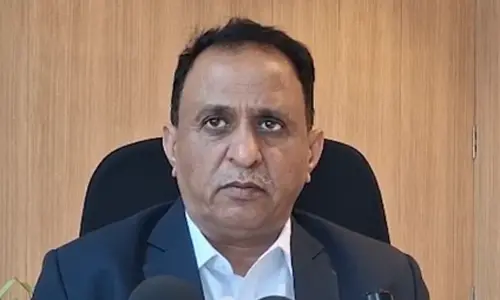
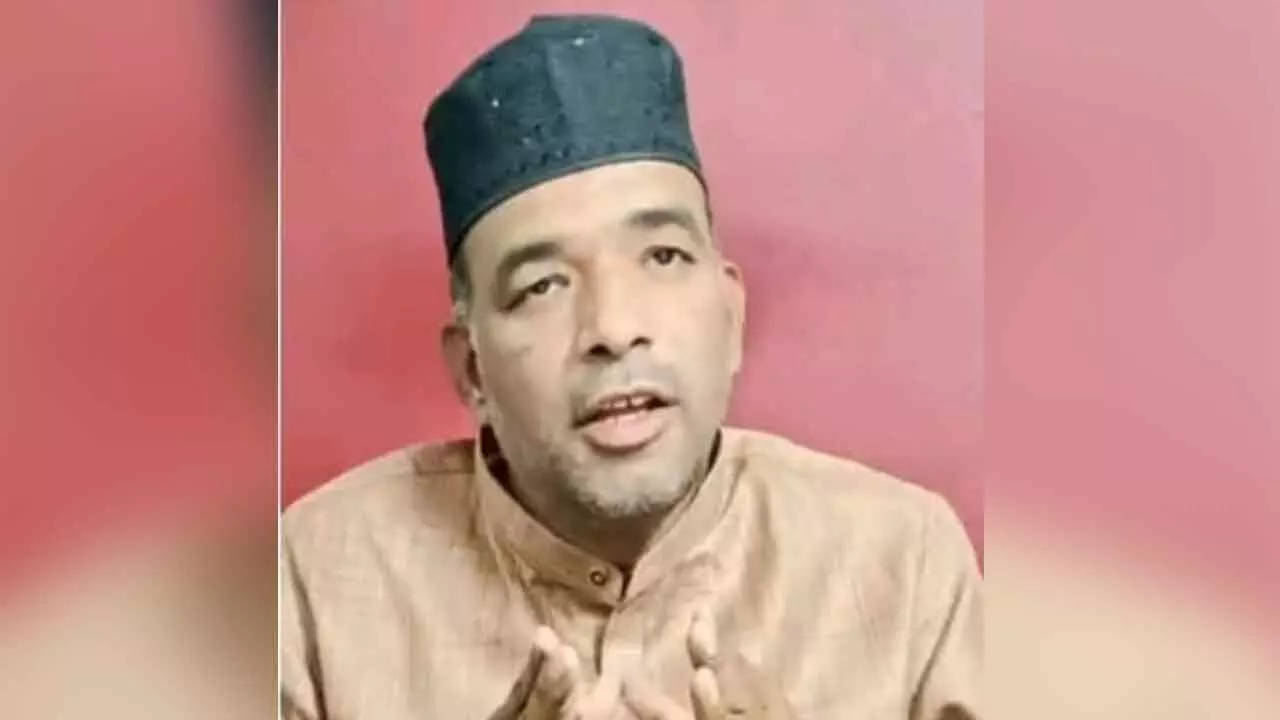
Mir Shoaib Ali, President of Minhaj-ul-Quran Mahbubnagar, has stressed the urgent need for leveraging technology and community-based monitoring systems to counter the growing threat of online religious radicalization of Muslim youth in India.
Expressing concern over the recent involvement of some of the highly professional muslim youth in terrorists and other unlawful activities in India, he explained that extremist groups are increasingly exploiting social media platforms, digital algorithms, encrypted chat apps, and even short-form videos to spread propaganda, recruit vulnerable individuals, and incite social division. “Radicalization today no longer requires physical meetings. Digital persuasion is the new battlefield,” he noted.
Ali emphasized that young people facing socio-economic pressures, social alienation, or identity conflicts are particularly susceptible to such influence. He underlined that artificial intelligence (AI) could play a crucial role in prevention—not just as a policing tool but as an early-warning system. Predictive analytics can detect behavioural shifts online, such as engagement with extremist content, enabling timely intervention.
Community involvement, he added, is equally critical. “Digital Peace Cells, involving local clerics, teachers, psychologists, and youth leaders, can provide safe spaces for discussion, guidance, and support,” Ali said. These cells aim to address grievances and prevent emotional manipulation by extremist recruiters. Local volunteers can also be trained to recognize early signs of radicalization, ensuring compassionate and timely action.
Ali stressed the importance of integrating digital awareness programs in religious institutions, rehabilitating first-time offenders, and strengthening cybersecurity frameworks that go beyond data protection to safeguard social harmony online.