CM, Dy CM, ministers leave for BC dharna in Delhi today

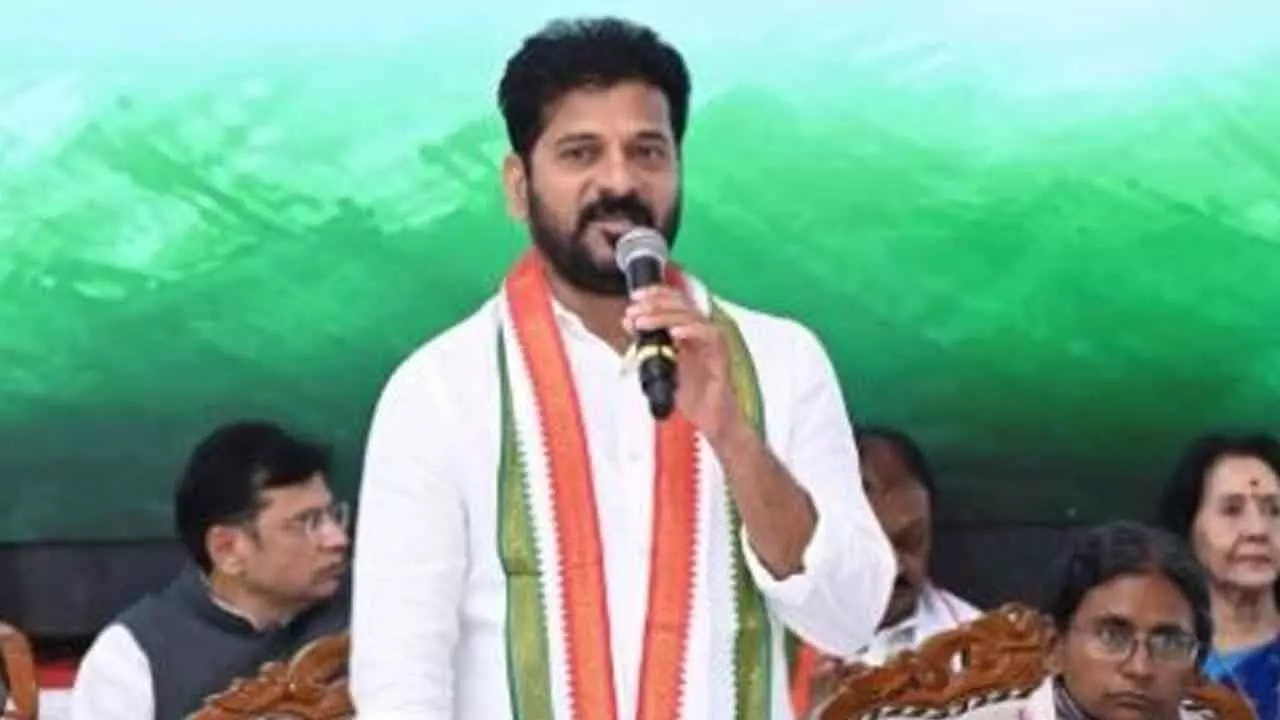
LoP Rahul Gandhi, along with other AICC leaders will take part in BC dharna. Rahul Gandhi contends that a caste census will provide insights into wealth distribution and assess the representation of OBCs, Dalits and workers in bureaucracy, judiciary, and media
Hyderabad: Chief Minister A Revanth Reddy, Deputy Chief Minister Bhatti Vikramarka, BC Ministers, and MLAs are set to leave for New Delhi on Tuesday to participate in a dharna organized by the All-India Congress Committee (AICC). The protest aims to urge the Central government to conduct a caste survey and implement 42 percent reservations for Backward Classes (BCs).
The ministers from Telangana will also meet Union Ministers to press for their demand.
Leader of Opposition Rahul Gandhi, along with other AICC leaders, particularly those from the BC community, will take part in the demonstration. Rahul Gandhi has been advocating for a caste-based institutional census, arguing that 90 percent of India's population remains excluded from key systems despite possessing the necessary skills and knowledge. He contends that a caste census will provide insights into wealth distribution and assess the representation of Other Backward Classes (OBCs), Dalits, and workers in bureaucracy, judiciary, and media.
Recently, Telangana became the first state to implement reservations based on a caste survey. The Legislative Assembly passed a crucial bill to increase reservations for BCs to 42 percent in government jobs, educational institutions, and local body elections.
The new reservation bill proposes a 42 percent quota for BCs, 18 percent for Scheduled Castes (SCs), and 10 percent for Scheduled Tribes (STs), up from the previous 29 percent, 15 percent, and 6 percent, respectively. This bill has been sent to Centre for approval.
Telangana is the third state in India, after Bihar and Karnataka, to conduct a caste survey for demographic analysis. In November 2023, the Bihar Assembly passed legislation increasing reservations for Economically Backward Classes, OBCs, SCs, and STs from 50 percent to 65 percent in educational institutions and government jobs. However, the Patna High Court later struck it down, deeming it unconstitutional.