100-day action plan begins: Revanth shifts focus to ULBs

Sustainable urban development thru a people-first approach
The 100-day action plan initiative got an inspiring start on Tuesday with a record 36,900 citizens joining hands in a spirited rally spanning over 250 km, marking a bold step towards transformation
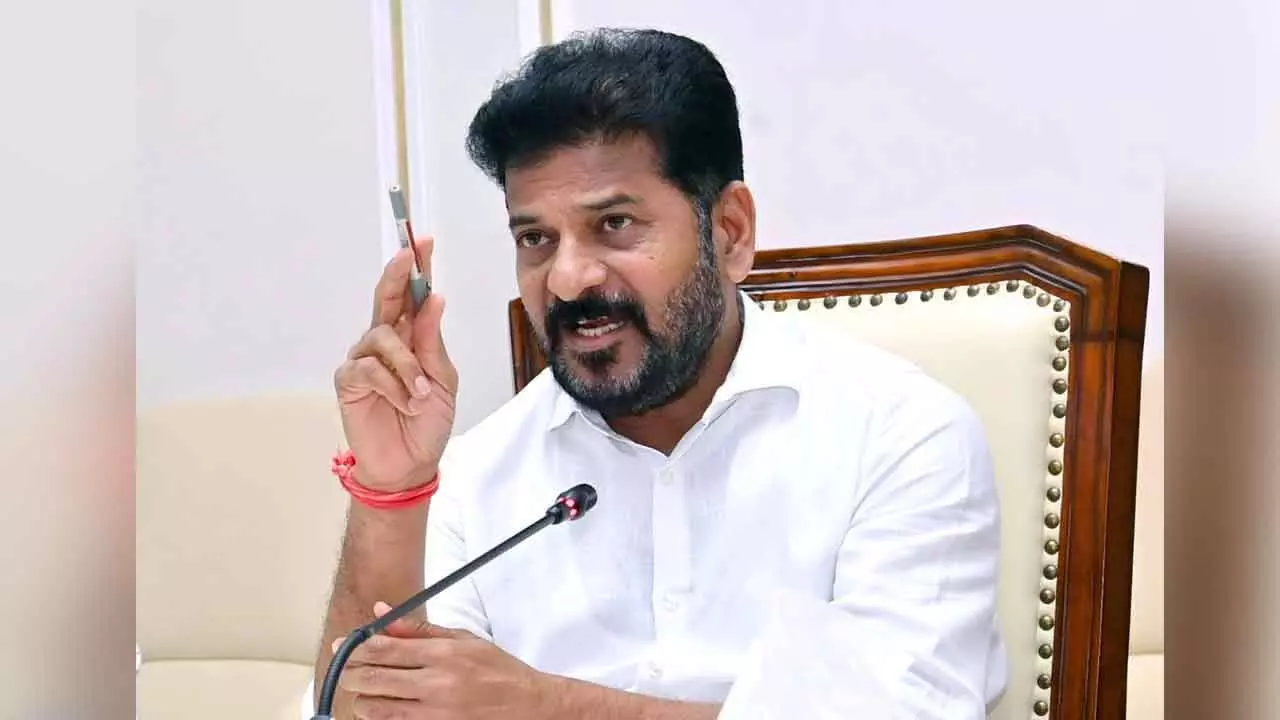
Hyderabad: Chief Minister A Revanth Reddy has now shifted focus to streamlining administration in urban areas. Following his directions, the Municipal Administration Department has launched a 100-day action plan with emphasis on improving urban governance, public health, environmental sustainability, and citizen engagement across Urban Local Bodies (ULBs).
According to officials, the key objectives of the action plan include enhancing solid waste management and sanitation systems, ensuring monsoon preparedness through critical civic infrastructure improvements, driving behavioural change and community participation through extensive IEC (information education and communication) campaigns on solid waste management, promoting urban greenery and beautification efforts for cleaner cities, conducting a comprehensive Bhuvan Survey for identification of unassessed and under-assessed properties in ULBs and bring them in tax net.
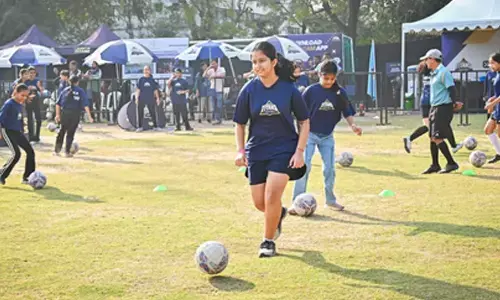
The officials said that the 100-day action plan initiative got an inspiring start on Tuesday with a record 36,900 citizens joining hands in a spirited rally spanning over 250 km, marking a bold step towards transformation. The official said that products of 280 self-help groups were assembled for display-cum-sales at stalls across ULBs, which generated a revenue of Rs 3.94 lakh. From local residents to public representatives, bureaucrats, SHGs, NGOs, etc everyone marched together with a mission ‘cleaner, healthier and more resilient urban areas’.
The activities proposed to be taken up in the ULBs include campaign launch and IEC drive focusing on awareness through media rallies, door-to-door outreach, de-siltation of storm water drains and removal of debris to prevent water-logging, waste segregation and c omposting at household level, supported by audits and community outreach, updation of water connections and taking up Bhuvan Survey for improved municipal records and enforcement, improving water quality and ensuring mosquito control through chlorination, oil balls, and gambusia fish release, launching Vana mahotsavam, avenue plantation, and Shramadanam, development of at least 1 junction, park and inauguration, training programs for staff and newly formed ULBs to enhance capacity, kalajatha activities, competitions and waste-to-art exhibits.
The official said that the plan was a strategic step toward building cleaner, healthier, and more resilient urban areas. By combining infrastructure, innovation, and involvement, it would reinforce Telangana’s commitment to sustainable urban development through a people-first approach.