Xiaomi 17 Series India Launch Signals Shift From Value Pricing to Premium Experience

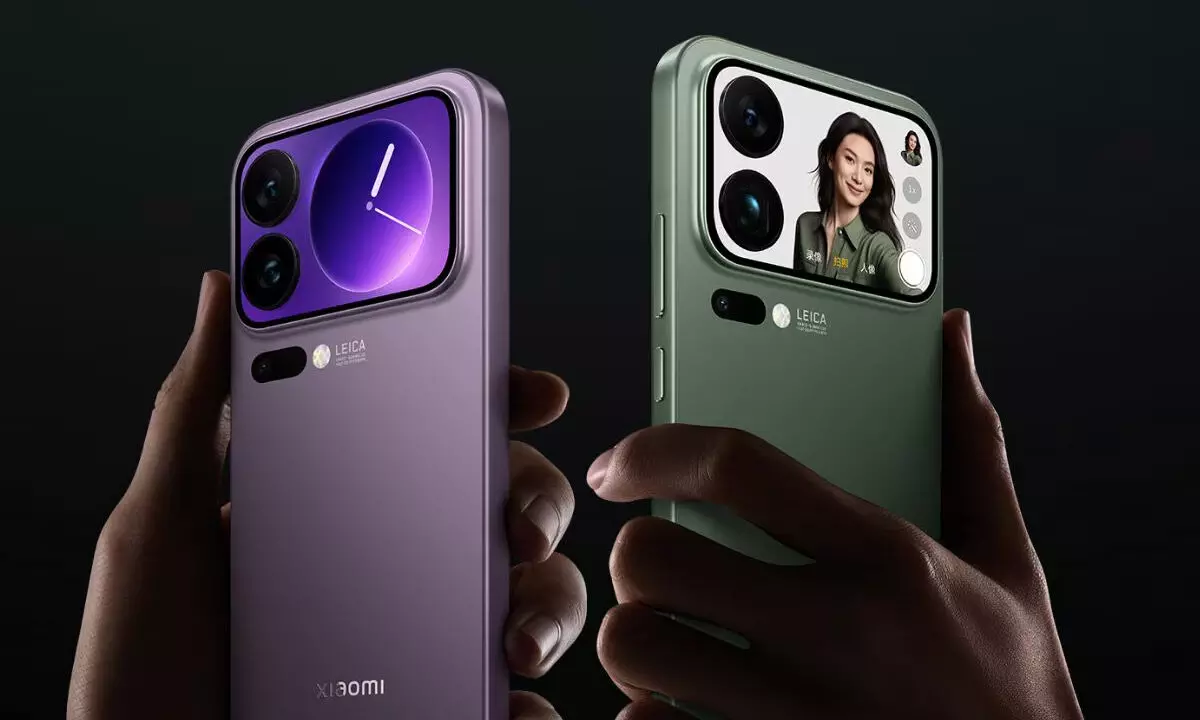
Xiaomi confirms India launch of 17 series, embracing premium pricing and ecosystem-driven experiences amid rising costs and evolving consumer expectations.
As India’s smartphone market heads into 2026, Xiaomi is preparing for one of the most important transitions in its history. The confirmed launch of the Xiaomi 17 series in India is not just another flagship release—it reflects a strategic pivot away from the brand’s long-standing “value for money” identity toward what it now calls “value for experience.”
In an exclusive conversation with India Today Tech, Sudhin Mathur, Chief Operating Officer of Xiaomi India, acknowledged a reality many brands are quietly grappling with: ultra-aggressive pricing is no longer sustainable. Rising global component costs, especially memory driven by the AI hardware boom, along with a stronger dollar, are reshaping smartphone economics worldwide.
Mathur, a veteran of the telecom industry since 1996, believes the smartphone business undergoes a major reset every five to six years. “Only brands that have shown strong resilience and have evolved with the evolving needs of the consumer and technology have survived,” he said.
Xiaomi’s response to this inflection point is a broader transformation. No longer positioning itself merely as a smartphone brand, the company now sees itself as a connected ecosystem player. “We have moved from a smartphone-first strategy to a Human x Car x Home strategy. ‘Human’ refers to personal devices like phones and tablets, ‘Car’ is our entry into EVs, and ‘Home’ is our massive AIoT ecosystem.”
Globally, Xiaomi remains the third-largest smartphone brand and plans to leverage this scale beyond phones. While handset volumes in India have plateaued at around 140–150 million units annually, other segments are growing rapidly. Tablets alone have seen 145 percent year-on-year growth, prompting Xiaomi to “double down” on non-phone categories in 2026.
Consumer behavior is also evolving. Upgrade cycles are stretching from 12 months to as long as 36 months, and buyers are now prioritising real-world performance over raw specifications. “They aren’t asking for 200 megapixels anymore; they are asking: What can this 50-megapixel camera actually do? Does it have AI? How is the colour science?” Mathur explained.
This shift underpins Xiaomi’s move from value for money to value for experience. Flagship devices like the Xiaomi 17 series will focus heavily on camera quality through its Leica partnership, deeper AI integration, and tighter ecosystem synergy via HyperOS.
Price hikes, however, appear inevitable. “Everything cannot be absorbed,” Mathur admitted. “Of course, the prices will rise because of the memory cost. We foresee that for the next couple of years; this will be a reality.” EMI schemes, which now account for over half of smartphone purchases, are expected to soften the impact.
Mathur confirmed that the Xiaomi 17 series, including the Xiaomi 17 Ultra, will arrive in India soon. While foldables are being skipped for now, Xiaomi believes perfecting the flagship camera experience offers more value. “We don’t want to launch a product just for a fad. It has to be meaningful.”
To support its premium ambitions, Xiaomi is revamping retail and service experiences, expanding omni-channel presence, premium service centres, and interactive in-store demos. As Mathur summed it up: “At every inflection point, we only want to go up. We are very hopeful that in 2026, we will not disappoint the fans who expect more from Xiaomi.”