Will Samsung Start Charging for Galaxy AI? Here’s the Latest Update

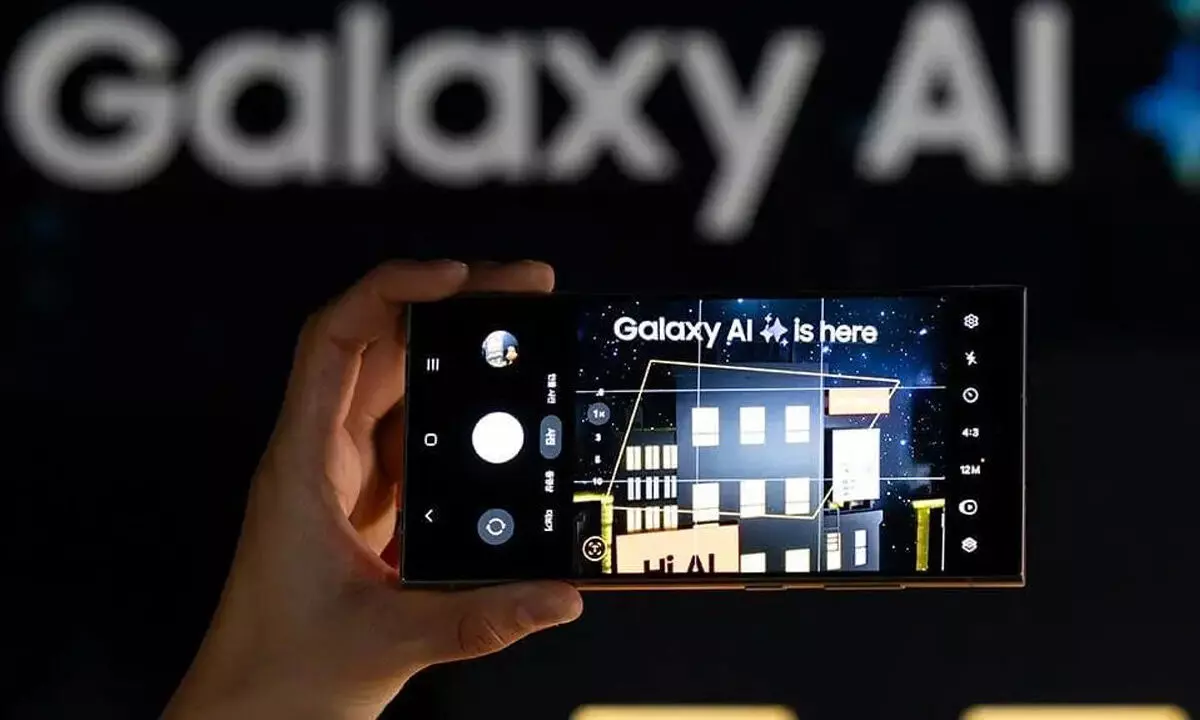
Samsung hints Galaxy AI will stay largely free, but premium Google Gemini-powered features may eventually require paid subscriptions.
Samsung’s push into artificial intelligence through its Galaxy AI platform has been one of its biggest selling points in recent years. From real-time translation to smart note summarisation, these features have so far been offered at no extra cost, especially on premium Galaxy smartphones. However, a recent update to Samsung’s Galaxy AI policy has sparked fresh discussion about whether this free ride will continue indefinitely.
According to the updated policy, Samsung plans to keep its basic Galaxy AI features free, which aligns with earlier reports suggesting the company wants to maintain AI as a core, value-added experience rather than a paid add-on. This reassurance will come as welcome news to existing and potential Galaxy users who have embraced AI tools as part of their daily smartphone usage.
Among the AI features expected to remain free are Note Assist, Live Translate, Writing Assist, and Audio Eraser, along with other tools that come pre-installed on Galaxy devices. Samsung has reportedly stated in the past that Galaxy AI features bundled with its smartphones would remain free for the lifetime of the device, and the latest policy update appears to support that commitment.
That said, the situation becomes less clear when looking beyond Samsung’s in-house AI tools. Galaxy AI does not operate in isolation—it relies heavily on Google’s Gemini AI models, which already offer paid tiers such as Pro and Ultra. While Samsung can control pricing for its own AI features, it likely has little influence over how Google chooses to monetise Gemini-powered capabilities in the future.
At present, Samsung and Google appear to have an arrangement that allows users of newer Galaxy devices to access certain Gemini-based AI features for free. However, this may not be a permanent setup. As Google continues to expand its paid AI offerings, some advanced features integrated into Galaxy phones could eventually fall behind a paywall, depending on subscription tiers and regional availability.
This uncertainty reflects a broader industry trend. AI features, while impressive, are still considered niche by many users. Only a small portion of consumers rely on them heavily in everyday tasks. To encourage adoption, companies like Google and OpenAI have introduced lower-cost plans, free trials, and even partnerships with telecom operators to offer AI services at no charge for limited periods.
There is also an ongoing debate among consumers: should the high price of flagship smartphones already cover the cost of AI features? While this argument makes sense from a user’s perspective, the reality is more complex. AI systems are expensive to develop, maintain, and scale. As demand grows, it may become increasingly difficult for companies to absorb these costs without passing some of them on to users.
For now, Samsung appears committed to keeping Galaxy AI’s core features free. However, as AI ecosystems mature and partnerships evolve, users should be prepared for a future where advanced or third-party AI capabilities may come at an additional cost.