Realme Warns of Major Smartphone Price Surge Ahead of GT 8 Pro Launch

Realme’s Francis Wong cautions buyers of a historic smartphone price hike in 2026, driven by rising memory costs and AI demand.
Realme’s global head of product marketing, Francis Wong, has issued a stark warning to smartphone shoppers worldwide just days before the launch of the Realme GT 8 Pro. In a candid statement, Wong urged consumers to consider purchasing new smartphones this year, as 2026 could bring an “unprecedented, industry-wide price hike.”
Wong stated, “If you are considering buying a new smartphone, buy it in 2025. Next year, the price hike will be a pan-industry move like never before.” His remarks highlight a looming shift across the mobile industry, as rising costs of essential components and AI-driven demand reshape the market for both manufacturers and buyers.
At the heart of this disruption lies a sharp rise in the cost of memory and storage components such as NAND Flash, DRAM, and SSDs. These components are vital to every smartphone, from affordable mid-range devices to top-tier flagships. Wong, who previously served as Realme India’s Chief Marketing Officer, emphasized that “these higher costs are being felt by all brands, regardless of their market segment.”
The driving force behind this surge, according to Realme, is the AI revolution. Advanced memory chips are increasingly being used to power data centres and generative AI models, rather than just smartphones. This shift is straining traditional supply chains and altering long-established pricing cycles. As Wong explained, “The spike in demand for advanced memory means traditional smartphone supply chains are being stretched to their limits.”
Adding to the complexity, memory manufacturers are redirecting production capacity toward high-bandwidth memory (HBM) used in enterprise and AI applications. This shift reduces the availability of conventional memory chips, creating further imbalance in the smartphone component market. At the same time, global trade policies and technology restrictions are causing supply chain realignments, leading to new inefficiencies and higher logistics costs.
For India, this global upheaval poses unique challenges. Despite the nation’s progress under the Make in India initiative, local manufacturers still depend heavily on imported components like NAND and DRAM. Wong explained, “As a Make in India brand, we believe India’s growing electronics ecosystem is a strong foundation for future resilience.” However, he acknowledged that “fluctuations in global memory prices and the strength of the US Dollar are amplifying cost pressures on local assemblers.”
Amid these challenges, Indian consumers are also evolving. Buyers are now focusing more on reliability, durability, and long-term software support, rather than just higher storage variants. The growing popularity of exchange programs and extended warranties suggests a shift toward expecting greater value and longevity from devices.
Transparency, Wong believes, is key in navigating this transition. He noted that clear communication about price adjustments and supply issues helps maintain trust in price-sensitive markets like India. “We try our best to absorb the increased cost and not transfer such cost to consumers, and not impact our upcoming two new products in 2025,” Wong added.
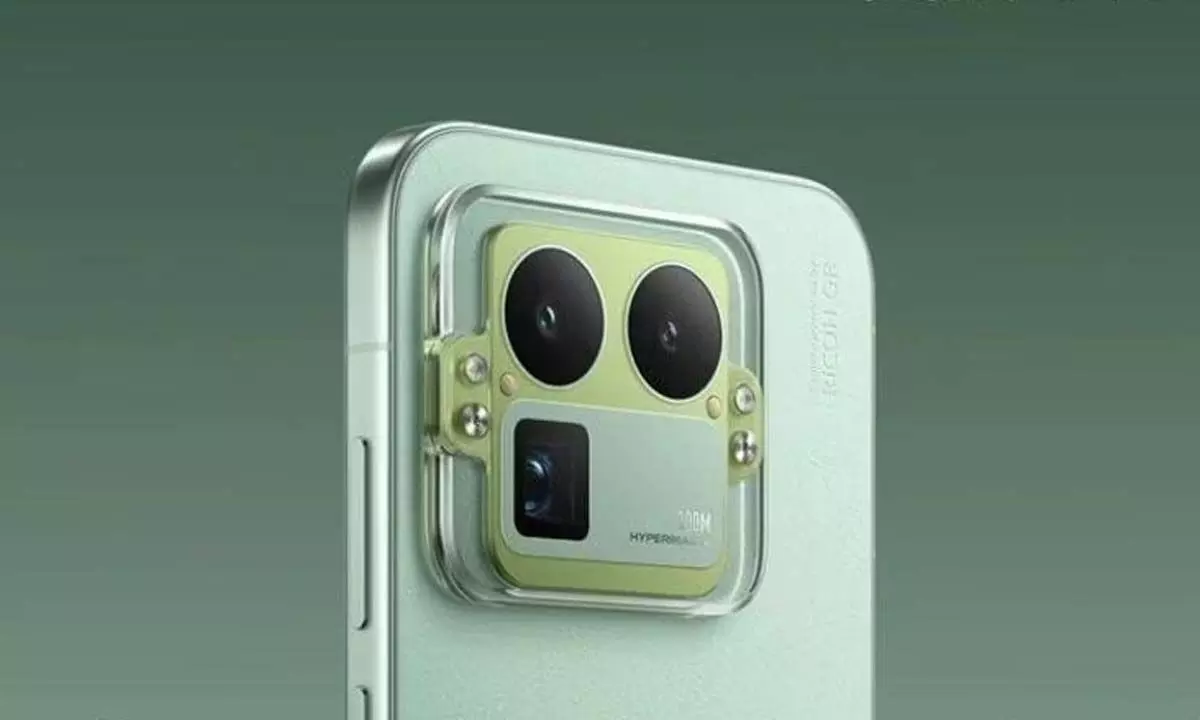
Realme’s much-anticipated GT 8 Pro, featuring a Qualcomm Snapdragon 8 Elite Gen 5 chipset, a switchable camera bump, and a Ricoh imaging system, is set to debut in India soon. As Realme prepares to unveil its most powerful smartphone yet, industry watchers are closely observing how the brand will balance innovation, pricing, and consumer expectations in a rapidly shifting global landscape.