Microsoft to Move Build Conference from Seattle in 2026, Ending Long Standing Venue Tradition

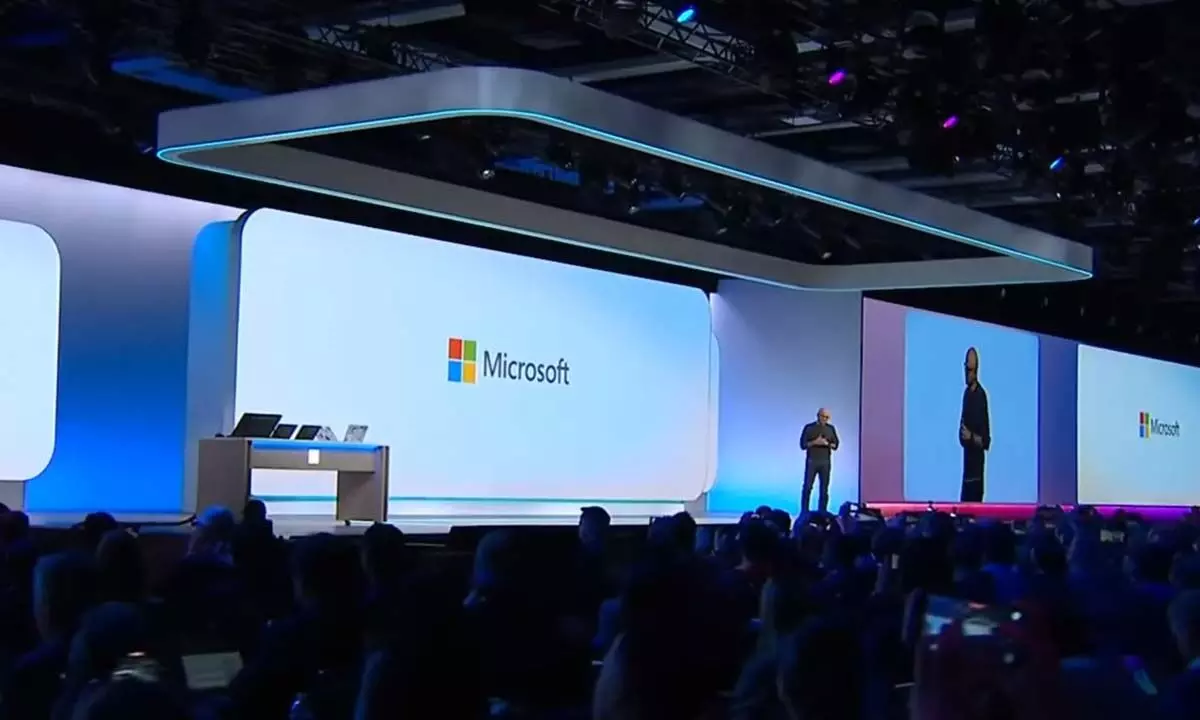
Microsoft ends its multi-year tradition of hosting Build in Seattle, citing a change in plans for the 2026 developer conference.
After nearly a decade of calling Seattle home, Microsoft has announced that its annual Build developer conference will be leaving the city in 2026. The tech giant has reportedly cancelled all future bookings at the Seattle Convention Center, where Build has been held since 2017.
In a statement provided to ‘The Seattle Medium’, a Microsoft spokesperson confirmed the company’s decision to move on from its home turf. “Our plans for Build 2026 have changed, but our vision to empower builders and developers at a major event next year remains unchanged,” the spokesperson said. “We appreciate the city and community for their support over the years.”
While Microsoft has not revealed the new location for Build 2026, the departure marks a significant shift in tradition. Build began in 2011 as the successor to Microsoft's Professional Developers Conference (PDC) and MIX events. Initially launched at the Anaheim Convention Center in California, it briefly moved to the company’s Redmond campus in 2012 before settling at San Francisco’s Moscone Center for four years. Since 2017, Seattle has been the official venue, except during the pandemic years from 2020 to 2022 when the event was held virtually.
The reasons behind the move remain unconfirmed by Microsoft. However, according to The Seattle Medium, internal communications suggest the decision may have been influenced by attendee feedback on downtown Seattle’s environment. Concerns reportedly included the city’s cleanliness, public drug use, and the visible presence of unhoused individuals around the event area.
This year’s Build conference also faced notable disruptions. Security was visibly heightened in response to protests against Microsoft’s contracts with the Israeli government. Demonstrators gathered outside the venue in large numbers, with some entering the premises to interrupt keynotes and breakout sessions. Protesters also used creative tactics such as releasing balloons with alarms, distributing leaflets, and unfurling banners inside the convention center.
Although Microsoft has not confirmed whether Build 2026 will be an in-person or virtual event, the shift away from Seattle signals a broader reassessment of its conference strategy. The company’s emphasis remains on providing a major platform for developers and tech enthusiasts worldwide, albeit potentially from a new city or digital space.
As Microsoft begins scouting a new home for Build, the decision leaves questions about how major tech events navigate city dynamics, protest activity, and attendees expectations in a post-pandemic era.
For now, all eyes will be on where Build lands next—and how Microsoft plans to reimagine its flagship developer event outside the city it’s called home for nearly a decade.