Google Turns Any Headphones Into Real-Time Translators With Gemini AI

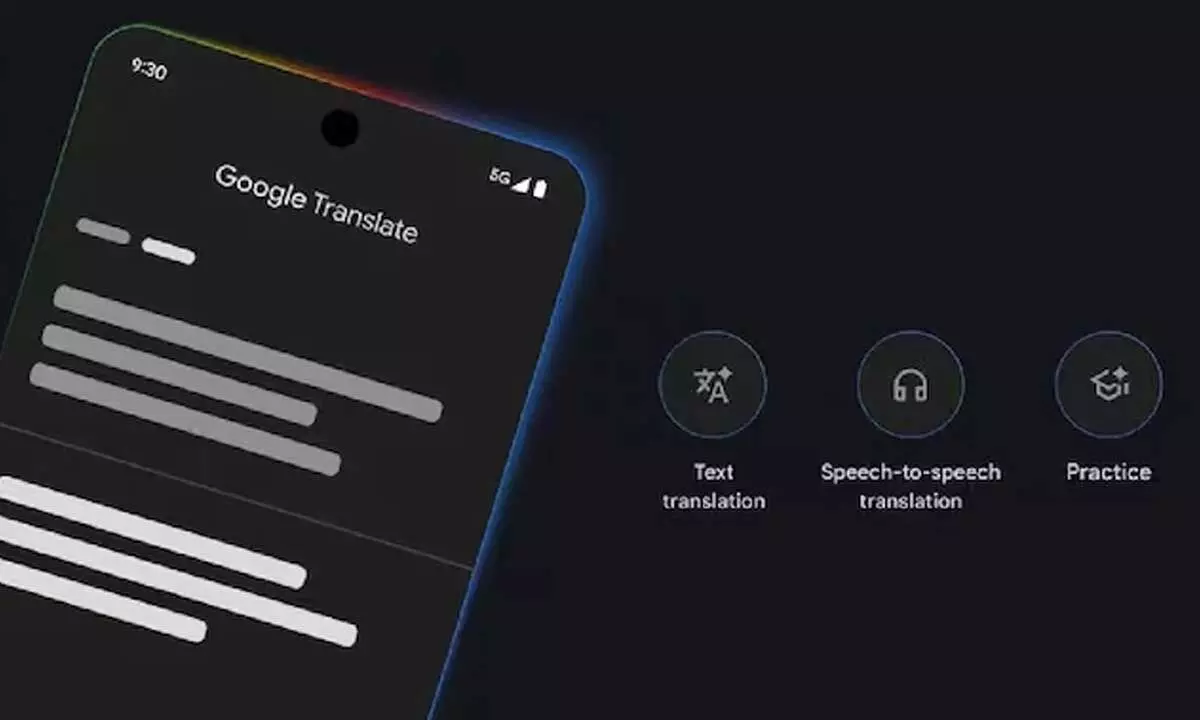
Google’s Gemini-powered Translate update turns any headphones into real-time translators, bringing smarter, more natural language experiences to India
Google has unveiled a major update that could fundamentally change how people communicate across languages. The tech giant has introduced a new beta feature that allows any pair of wired or wireless headphones to function as real-time translators, powered by its Gemini AI. The feature is already rolling out in key markets including India, the US, and Mexico, marking one of Google’s most ambitious steps yet in breaking language barriers through artificial intelligence.
The new capability is available through the Google Translate app on Android and enables users to hear live translations directly through their headphones. Whether attending a lecture in a foreign language, having a conversation while travelling, or watching international content, users can now listen to translated speech as it happens. Importantly, the system preserves the speaker’s tone, rhythm, and emphasis, making conversations feel more natural and less robotic.
Rose Yao, Google’s VP of Product Management for Search Verticals, highlighted the wide range of use cases for the feature, noting that it can help users “whether you’re trying to chat in another language, follow a foreign-language speech, or simply enjoy a show while abroad.” To activate it, users simply open the Translate app, tap “Live translate,” and start listening. One of the most notable aspects of this update is that it works with any brand of headphones, not just Google hardware.
While the real-time headphone translation has captured attention, the deeper upgrade lies in the integration of Gemini AI into Google Translate. With Gemini handling translations, the app now goes beyond literal word-for-word conversion. Instead, it understands context, cultural nuances, and emotional tone. For instance, idiomatic expressions like “stealing my thunder” are translated based on meaning rather than direct wording, resulting in more natural and accurate output.
This Gemini-powered translation system is already live in India and the US, supporting English translations across nearly 20 languages, including Spanish, Chinese, Arabic, Japanese, and German. It is available on Android, iOS, and the web, signalling Google’s intent to make smarter translations accessible across platforms.
Google is also expanding Translate’s role as a language-learning tool. The company has enhanced its in-app learning features and is rolling them out to 20 additional countries, including India, Germany, Sweden, and Taiwan. Users can now practise speaking with AI-driven feedback, receive pronunciation tips, and track daily learning streaks — a gamified approach reminiscent of popular language-learning apps.
English speakers can begin learning German, while speakers of Hindi, Bengali, Mandarin Chinese (Simplified), Dutch, Italian, Romanian, Swedish, and other languages can practise English. According to Google, these updates are designed to make translations “smarter, more natural, and more accurate,” while also helping users build real language skills over time.
For now, the real-time headphone translation feature remains in beta and is limited to Android, with iOS support expected in 2026. Still, with Gemini AI at its core, Google Translate is rapidly evolving from a simple utility into a comprehensive communication and learning platform, making global conversations feel more seamless than ever.