Google Taps Into AI-Driven ‘Vibe-Coding’ With New App Builder Opal

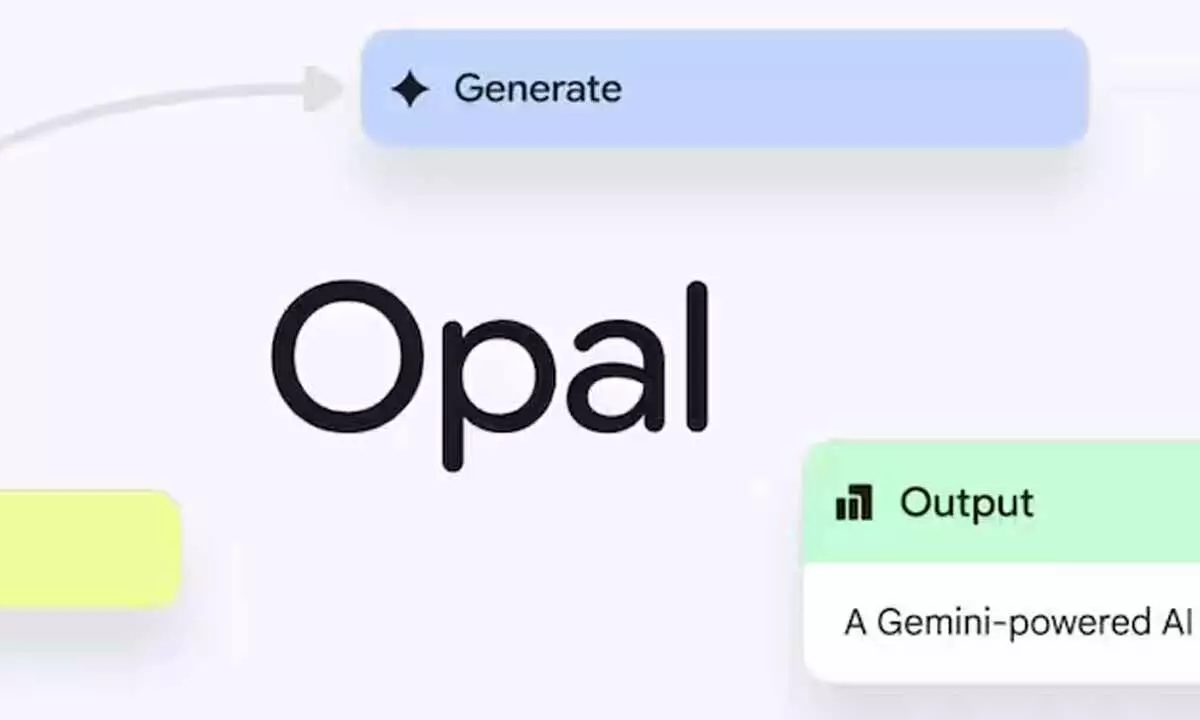
Google launches Opal, a new AI tool that lets users build mini web apps using natural language prompts and visual workflows.
In a bold leap into the world of AI-driven development, Google has unveiled Opal, a new tool that allows users to create mini web apps simply by typing out a description. Currently being tested in the United States under Google Labs, Opal is part of a growing movement toward vibe-coding — a trend that uses artificial intelligence and natural language to simplify the process of software development.
Opal caters to both technical and non-technical users, offering an intuitive interface where ideas typed in plain English are translated into functional applications. Once a prompt is submitted, various Google AI models collaborate behind the scenes to bring the concept to life. From there, users can enter a visual editor that maps out the app’s development workflow, including inputs, outputs, and intermediate logic steps.
The visual workflow feature makes it easier to understand how the app functions, especially for those who aren’t fluent in traditional programming. Users can tweak their original prompt, refine specific steps in the process, or add new ones from the toolbar — all within a user-friendly graphical interface.
Another standout feature of Opal is its social and collaborative design. Once an app is created, users can publish it online and share a link for others to test it out using their Google accounts. This makes Opal not just a creation tool, but also a platform for showcasing and remixing apps. A public gallery of shared creations lets users browse, fork, and customize existing apps, encouraging experimentation and creativity.
Google’s new AI-powered app builder enters a competitive field, joining the ranks of tools from companies like Canva, Figma, and Replit, all of which aim to make app development more accessible. These platforms have focused on eliminating the barriers of code for everyday users — and Opal is Google’s most visual and user-centric response yet.
While Google's AI Studio already offers capabilities for building apps with text input, Opal distinguishes itself with its drag-and-drop visual style. It’s designed to appeal to those who may have previously been intimidated by software development but are excited to bring their ideas to life in a simpler, more approachable way.
The growing popularity of vibe-coding has attracted both startup innovation and investor attention, and Google’s entry into this arena with Opal signals its intent to stay ahead of the curve. It reflects the tech giant’s broader strategy of harnessing AI to streamline complex tasks and bring more people into the fold of digital creation.
As Opal continues its experimental rollout, its impact could be significant — not just in redefining who gets to build apps, but in shaping the future of user-centric, AI-assisted development. With tools like Opal, the line between creators and coders continues to blur, opening up new possibilities for innovation and expression.