Apple May Open Siri to Multiple AI Assistants with iOS 27

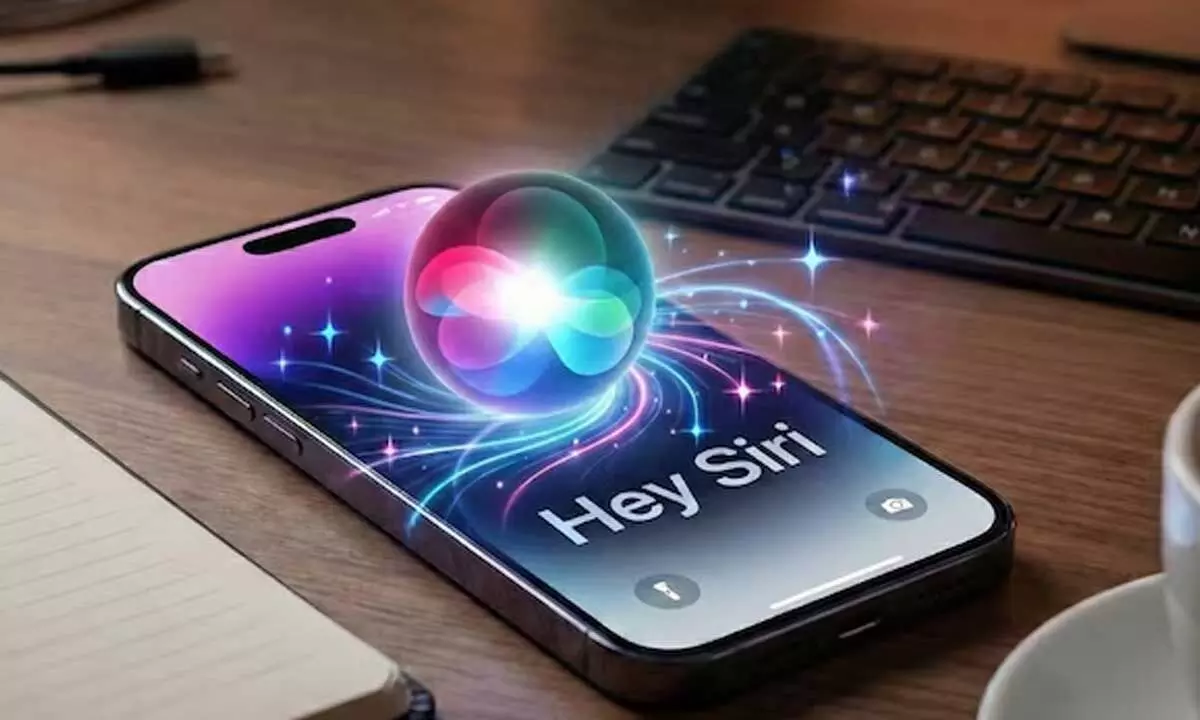
Apple’s iOS 27 may transform Siri into a flexible AI hub, enabling multiple chatbot integrations while maintaining privacy and personalised user experiences.
Apple is reportedly preparing a significant evolution of its voice assistant with the upcoming iOS 27 update, aiming to make Siri more flexible, intelligent, and user-driven. According to recent reports, the company is exploring a new system that would allow Siri to work with multiple third-party AI services, giving users greater control over how their queries are handled.
The anticipated feature, referred to as “Extensions,” could enable integration with popular AI tools such as Google’s Gemini and Anthropic’s Claude. These services, once installed through the App Store, may be selected by users to generate responses within Siri—similar to how OpenAI’s ChatGPT was introduced as an optional integration under Apple Intelligence in 2024.
With iOS 27, Apple appears to be expanding this idea into a broader ecosystem. Instead of relying on one-off collaborations, the company is expected to create a dedicated settings interface across iPhone, iPad, and Mac devices where users can enable or disable different AI assistants. This approach could simplify how third-party AI apps interact with Siri and potentially extend to a standalone Siri application in the future.
At the same time, Apple is continuing to develop its own AI backbone for Siri. Reports suggest that Gemini models from Google may play a deeper role in powering Siri’s core intelligence. While the Extensions system would handle external AI integrations for specific tasks, the underlying capabilities of Siri itself could be enhanced through tighter collaboration with Google’s AI infrastructure.
To support this, Apple has reportedly asked Google to consider deploying dedicated servers to run Gemini-powered features for Siri. This indicates that some advanced AI processing might happen in the cloud, even as Apple maintains its strong emphasis on privacy. The company is expected to rely on its Private Cloud Compute framework to ensure that any off-device processing aligns with its data protection standards.
Looking ahead, the next-generation Siri is expected to deliver a more personalised and context-aware experience. Apple has already previewed improvements that would allow the assistant to better understand user data, including emails, messages, calendars, photos, and files. This could help Siri provide more relevant and timely responses tailored to individual users.
Another key upgrade could be Siri’s ability to recognise and respond to on-screen content. This means users may be able to interact with what they are viewing—such as asking questions or performing actions—without needing to switch between apps. Additionally, Siri is expected to handle more complex, multi-step tasks, including editing photos, organising files, and managing reminders more efficiently.
Apple is also working to make interactions with Siri more conversational, bringing it closer to modern chatbot-style assistants. By combining on-device intelligence with optional cloud-powered AI, the company aims to strike a balance between advanced functionality and user privacy.
If these developments materialise, iOS 27 could mark a major turning point for Siri, transforming it from a traditional voice assistant into a more dynamic and customisable AI platform.