Apple May Launch MacBook Pro With M5 Pro And M5 Max Chips As Early As March

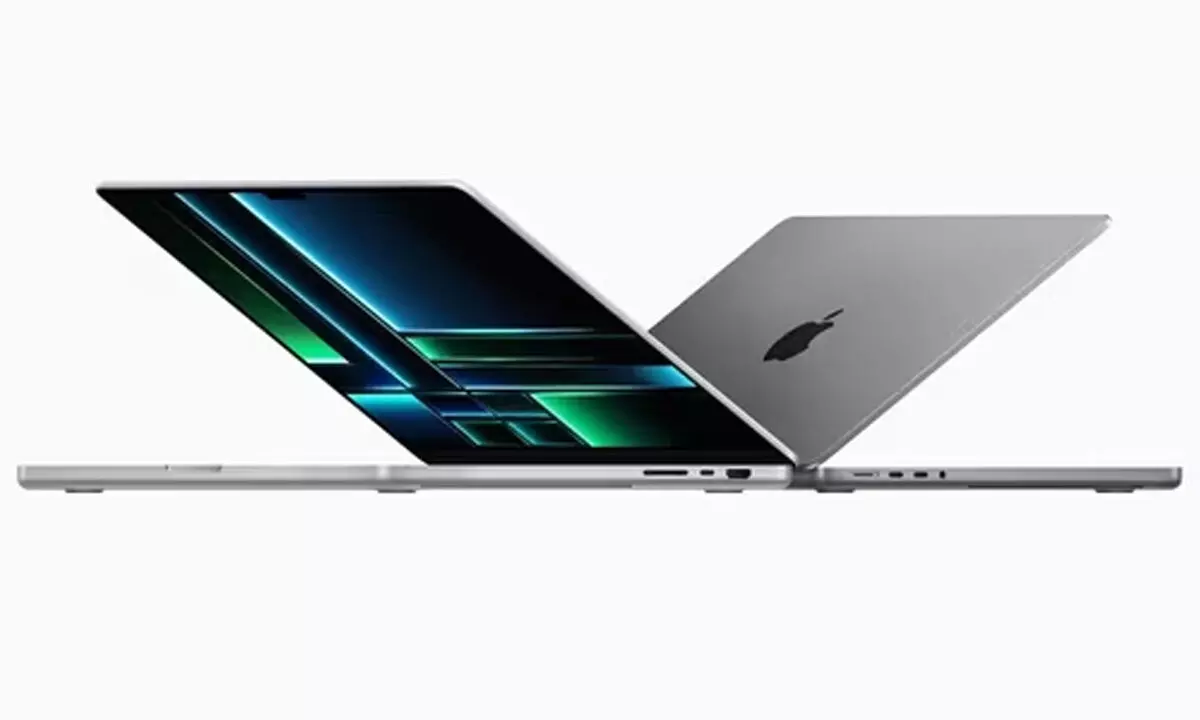
Apple is reportedly preparing powerful MacBook Pro models with M5 Pro and Max chips, signaling major performance and AI-focused upgrades soon.
Apple appears to be gearing up for its next wave of MacBook Pro upgrades, with reports suggesting the much-anticipated M5 Pro and M5 Max variants could arrive as soon as next month. According to a new tip from Bloomberg, the refreshed models are likely to debut in March, bringing more power and efficiency to Apple’s premium laptop lineup.
The upcoming machines are expected to target users who demand high performance, especially professionals working with heavy workloads such as video editing, coding, and AI-driven applications. Apple is said to introduce both the M5 Pro and M5 Max chipsets, primarily in the larger 16-inch MacBook Pro models.
Interestingly, current MacBook sales trends may support the timing of this launch. Retail inventory has reportedly slowed down, and restocking cycles appear delayed. Such patterns often indicate that Apple is preparing to replace existing models with newer hardware. Shipping delays stretching into March further strengthen speculation that updated devices are already in the pipeline.
While attention is currently focused on the Pro lineup, there is also growing curiosity about the MacBook Air. Although the report does not confirm it, many expect Apple could refresh the Air series with the M5 silicon around the same time. Since Apple has already introduced an entry-level MacBook Pro powered by the standard M5 chip, extending the processor to the Air lineup would be a logical next step.
The existing 14-inch MacBook Pro M5 variant largely mirrors its predecessor in terms of design, with most improvements happening internally. It features a 10-core CPU and a 10-core GPU configuration, offering solid everyday performance. Users can configure the device with up to 32GB of RAM and as much as 4TB of SSD storage, giving professionals plenty of flexibility.
One of the more notable enhancements is the 16-core neural engine, which Apple positions as a key driver for on-device AI capabilities. This could mean faster machine learning tasks, improved photo and video processing, and better support for AI-powered workflows without relying heavily on cloud computing.
On the display front, Apple seems to be sticking with the trusted 14-inch Liquid Retina panel featuring a 120Hz ProMotion refresh rate. Buyers who prefer reduced glare can also opt for the nano-texture display by paying extra.
Beyond the MacBook lineup, Apple’s early 2026 product roadmap may include another launch. Reports indicate the company could unveil the iPhone 17e in February. The device is expected to feature display improvements, updated hardware, and potentially a stronger camera system.
If these timelines hold true, the coming months could be packed with significant upgrades across Apple’s ecosystem, offering users faster performance and smarter AI-driven experiences.