How Long Will Your Solar Panel Battery Bank Last?

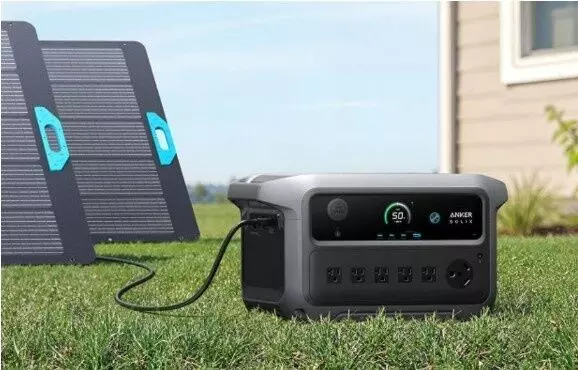
Learn how long a solar panel battery bank lasts and what affects battery lifespan, performance, and long-term value.
How Long Will Your Solar Panel Battery Bank Last?
Solar panel battery banks are crucial for efficient energy storage. Yet, one pressing question remains: how long will yours last? Several factors can impact the longevity of a battery bank, including technology advancements such as LiFePO4 batteries and the robust InfiniPower™ technology. Anker solar panels, which include 4,000-cycle LFP batteries, make solar energy more attainable and user-friendly. Understanding how these elements affect your solar panel battery bank’s lifespan ensures you maximize its value for years. Let’s delve into what specifically determines battery longevity and how usage habits can either extend or diminish it.
What Determines the Lifespan of a Solar Panel Battery Bank?
Battery Chemistry and Build Quality
The chemistry and build quality of a battery play a significant role in determining its lifespan. Lithium Iron Phosphate (LiFePO4) batteries, renowned for their stability and safety, provide impressive lifespan attributes. Their enduring nature allows for approximately 4,000 cycles of charge and discharge, making them an ideal choice for solar panel battery banks. Anker’s InfiniPower™ technology further enhances their durability and efficiency, providing a reliable energy solution. Build quality also matters, as inferior materials can lead to faster degradation, affecting performance. Manufacturers that invest in premium materials ensure their battery banks offer sustained energy output over time, aligning with user expectations.
Design Limits and Rated Cycle Life
Design limits and rated cycle life are pivotal in assessing how long your solar panel battery bank will last. Each battery bank is engineered with specific limitations that impact its durability. LiFePO4 batteries, for example, boast an extensive cycle life compared to other chemistries. These batteries can handle thousands of cycles without significant efficiency loss. Rated cycle life refers to the number of charge-discharge cycles a battery can undergo while maintaining optimal performance. Solar panel batteries designed with future-proof technology and quality craftsmanship provide a longer lifespan, assuring that users benefit from extended utility and reduced replacement frequency.
Understanding Battery Lifespan vs Daily Runtime
Battery Cycle Life and Charge–Discharge Patterns
Battery cycle life, determined by charge and discharge patterns, directly influences lifespan. A cycle comprises one full battery discharge followed by a complete recharge. LiFePO4 batteries, with their high cycle life, are exceptional for frequent cycling, maintaining efficiency over time. Regular and predictable charge-discharge patterns will extend the battery’s life. This means keeping the batteries within their optimal charge levels and avoiding complete discharges. These same best practices apply to any solar power bank used regularly for backup or portable energy needs. Users who manage their solar battery systems with regular cycling preserve performance and longevity, as opposed to allowing erratic behavior that can lead to premature wear.
Depth of Discharge and Usable Capacity
The depth of discharge (DoD) is another critical factor influencing battery lifespan. It refers to the percentage of energy withdrawn from a battery compared to its total capacity. Batteries with higher cycle life can tolerate deeper discharges without compromising long-term efficiency. For instance, LiFePO4 batteries often support deeper DoD levels, providing substantial usable capacity. However, routinely draining the battery to its deepest levels can shorten its lifespan. Managing DoD carefully allows users to maintain usable capacity while extending the battery’s practical use, aligning smartly with energy demands without overtaxing storage components.
Power Draw, Load Size, and Runtime Expectations
Power draw, load size, and runtime expectations significantly affect battery lifespan. Consistently drawing power that exceeds a battery bank’s rated load can lead to premature failure. Anker’s solar panel battery banks are crafted to handle substantial loads without sacrifice, offering reliability across varying energy needs. Knowing the typical power draw and adjusting load size accordingly ensures batteries operate within safe parameters. Users can experience optimized runtime by matching appliances to energy capacity, reducing strain on the battery bank. This practice bolsters efficiency, enabling users to extend their system’s operational life.
How Usage Habits Affect Battery Bank Longevity?
Frequent Deep Discharges vs Balanced Use
Usage habits have a profound impact on the longevity of solar panel battery banks. Frequent deep discharges stress the battery, reducing its cycle count. Conversely, balanced use, charging the battery before it reaches critically low levels, minimizes wear and tear. By aligning energy consumption with battery capacity, users avoid the pitfalls of over-exertion. Maintaining a mild discharge pattern and respecting the battery’s cycle limits enhances sustainability. Anker’s advanced batteries, designed to withstand consistent usage, benefit greatly from balanced energy practices, ensuring sustained performance and longevity.
Overloading, Peak Demand, and Power Spikes
Overloading a battery bank during peak demand can severely affect its lifespan. Power spikes, common in high-demand situations, can degrade battery cells, undermining capacity. Users who manage their energy use effectively, incorporating surge protection and energy-efficient appliances, reduce the risk of overloading. Anker’s InfiniPower™ technology supports users in balancing peak demand with capacity. By mitigating power spikes and aligning system load with bank capabilities, users preserve battery health, maximizing longevity while maintaining household functionality in high-demand scenarios.
Smart Energy Management for Longer Battery Life
Smart energy management is crucial for extending the life of a solar panel battery bank. Employing strategies such as optimizing charge times, employing smart grids, and utilizing energy-efficient devices retains battery health. Users can monitor usage patterns and adjust accordingly, ensuring the system’s longevity. Anker’s cutting-edge solar technologies support streamlined energy management, enabling users to leverage solar power effectively. By conscientiously managing household energy consumption and employing batteries within advised thresholds, users extend the operational lifespan of their investment, capitalizing on solar energy’s potent offerings.
Conclusion
Understanding the factors that influence solar panel battery bank longevity empowers users to optimize their systems for sustained performance. Incorporating advanced technologies like Anker’s LiFePO4 batteries and InfiniPower™ technology ensures users access durable solutions. Balancing usage habits, respecting cycle limits, and managing energy effectively are critical for extending battery life. By adopting proactive management practices, users realize the full potential of their solar investments. With strategic care, solar panel battery banks offer lasting value, reducing the need for frequent replacements and supporting a greener, more sustainable energy future.