Why STARVIS sensor dashcams are better for night driving safety

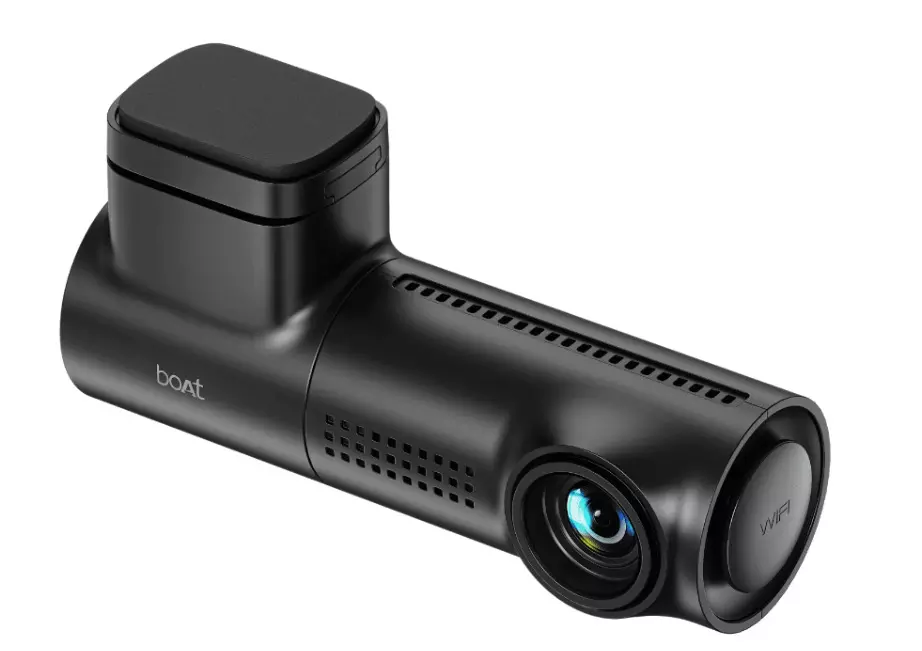
Discover why night driving demands better dashcams, how STARVIS sensors improve low-light clarity, and what makes night vision dashcams reliable after dark.
Driving at night can be challenging and increases risks on the road. Limited visibility, glare from headlights, and trouble judging distance and speed make driving more dangerous.
A key feature that enhances dashcam performance at night is STARVIS sensor technology, which ensures that recordings remain clear and reliable, even in low-light conditions.
By understanding these critical factors, we can better understand why some night vision dash cams may struggle to capture clear footage after dark, as well as the key elements that determine the usability of recordings when visibility is at its worst.
Why Low-Light Conditions Expose Weak Dashcams
Most dashcams perform well during the day. At night, uneven street lighting, reflective surfaces, and oncoming headlights introduce challenges that basic cameras struggle to manage. Details such as number plates, lane markings, and pedestrian movement often blur or disappear.
STARVIS dash cams are designed to handle these conditions by capturing more available light while preserving contrast and reducing noise. This ensures that footage remains usable, not just visible. In dashcams like the boAt Hive Dashcam F1, this capability is paired with high-resolution recording so that clarity is maintained even when conditions deteriorate.
Night Clarity Is a System Outcome, Not a Single Setting
Many dash cams with night vision attempt to improve night footage by increasing brightness, but this often leads to overexposed highlights and loss of detail. STARVIS sensors take a different approach by improving light sensitivity instead of forcing exposure.
When combined with 4K front recording and full HD rear coverage, this allows dashcams to retain detail in shadows, control headlight glare, and maintain natural contrast between moving objects. The result is footage that explains events clearly rather than simply confirming that something occurred.
Real Night-Time Scenarios Demand More Than Resolution
Night-time incidents rarely happen in isolation. They often involve a combination of factors:
- A vehicle following too closely
- A sudden stop in poor lighting
- A pedestrian emerging from a dark area
- A two-wheeler appearing from an unlit side lane
In such moments, wide-angle coverage becomes critical. Dashcams that offer balanced, wide field-of-view recording ensure that peripheral movement is captured without distorting distance or speed. This is where dual-channel systems with front and rear cameras provide meaningful context rather than isolated clips.
Rear Coverage Matters More After Dark
Rear-end incidents are especially common at night, particularly in slow-moving or stop-and-go traffic. Headlight glare from vehicles behind can overwhelm ordinary sensors, leaving rear footage unclear.
A dual-channel setup with strong night performance on both cameras ensures that rear behaviour, such as tailgating, sudden braking, or lane pressure, is documented reliably. Dashcams like the boAt Hive Dashcam F1 are designed to maintain consistency across both lenses, reducing blind spots when visibility is already limited.
Intelligence Adds Another Layer of Safety
Night driving also benefits from systems that assist beyond recording. The boAt Hive Dashcam F1 night vision dashcam features built-in ADAS support that helps drivers stay alert by providing real-time warnings for lane departure and potential forward collisions, which is especially critical in low-visibility conditions after dark.
When paired with reliable night recording and wide camera coverage, these intelligent alerts contribute to both accident prevention and post-incident documentation, strengthening overall driving safety rather than reacting only after something goes wrong.
What This Means for Everyday Drivers
Not all drivers spend extensive time on the road at night. Single-channel night vision dashcams for cars, such as the boAt Hive Dashcam E1, provide clear front-facing recording with night vision support and wide-angle coverage for drivers who occasionally travel at night on well-lit routes.
However, when driving conditions change unexpectedly, such as during delayed trips, unfamiliar roads, or reduced lighting, the difference between basic night visibility and comprehensive low-light performance becomes clear.
The best night vision dash cams are designed with STARVIS sensor technology, high-resolution recording, wide-angle coverage, and intelligent assistance to cater to these unpredictable moments where clarity is crucial.
In Conclusion
At night, there is little margin for ambiguity. Reliable footage depends on how well sensors, lenses, resolution, and intelligence work together. By integrating the best night dashcam with STARVIS sensors with dual-channel recording, wide coverage, night vision, and ADAS capabilities in the Hive Dashcam F1, BoAt addresses the realities of nighttime driving head-on. When visibility decreases, dependable clarity becomes crucial.