
Sridhar Vembu Flags Brain Drain as India Hosts AI Summit, Cites Sriram Krishnan Example

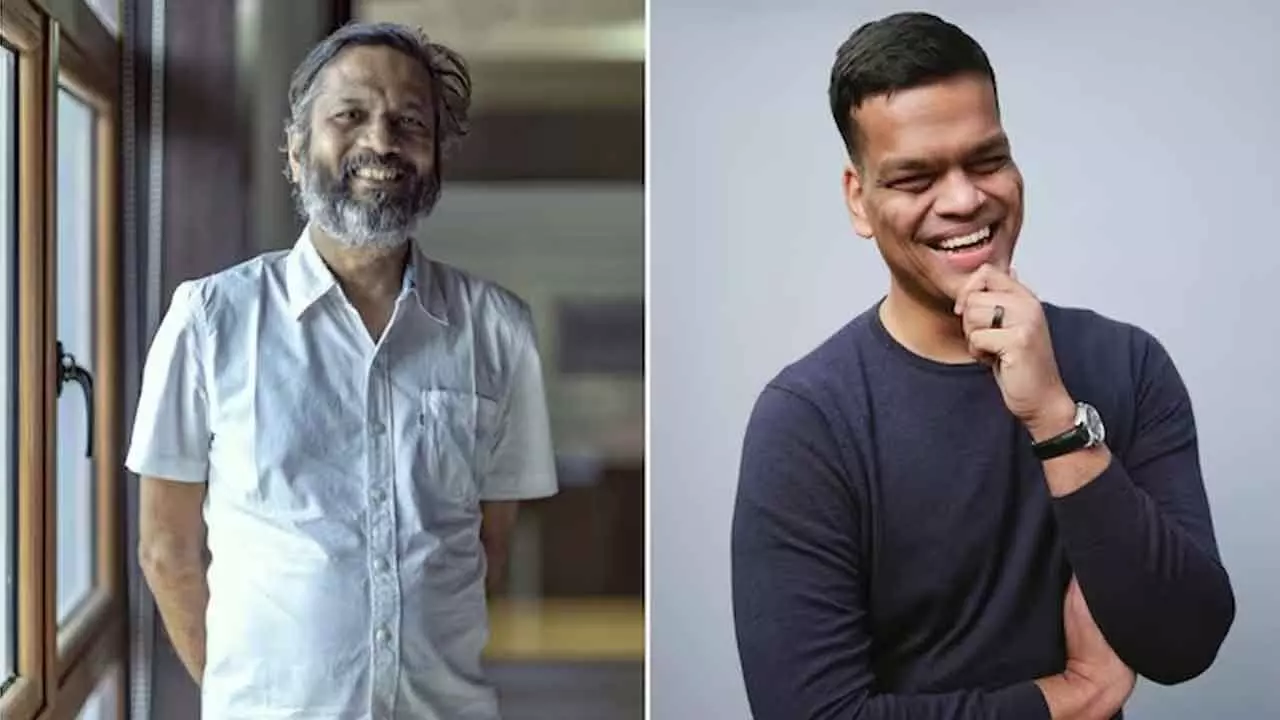
Sridhar Vembu warns that losing top Indian talent to global powers could weaken India’s ambition to lead in sovereign AI.
As India welcomes global leaders to New Delhi for the India AI Impact Summit, a parallel debate has surfaced online — one that cuts to the heart of the country’s technological future. Zoho founder and CEO Sridhar Vembu has reignited concerns over brain drain, arguing that India risks undermining its own ambitions if it fails to retain top talent.
Vembu’s remarks came in response to a video featuring Sriram Krishnan, an Indian-origin technology leader currently serving as a Senior White House Policy Advisor. In the clip, Krishnan discusses the United States’ approach to artificial intelligence partnerships, emphasizing America’s intention to promote its AI ecosystem globally.
“We want to make sure that the world uses the American AI stack...We also want the world to use our AI model...We want all our allies, including India, to leverage our AI infrastructure,” Krishnan said in the video.
Sharing the clip on X, Vembu reacted pointedly. Without altering Krishnan’s words, he used the moment to underline what he sees as a structural challenge facing India’s innovation ecosystem. “This is why brain drain is costly,” Vembu wrote.
His message was clear: when highly skilled Indian professionals rise to influential positions abroad, their expertise and decision-making power benefit foreign ecosystems rather than India’s own technological ambitions. For a country that is currently championing the concept of sovereign AI — the development of domestic AI capabilities independent of foreign infrastructure — this becomes a strategic concern.
The India AI Impact Summit has placed a strong emphasis on technological self-reliance. Policymakers and industry leaders have discussed the importance of building homegrown AI models, infrastructure, and regulatory frameworks. Yet Vembu believes such goals will remain aspirational unless India can secure and nurture its brightest minds at home.
“We must fight hard to retain the next generation of talent in India,” he wrote, stressing that the country’s future leadership in technology hinges on where its innovators choose to build.
Vembu has long advocated for technological sovereignty. In previous statements, he has called for a sustained national mission to develop core digital infrastructure, including an indigenous operating system and stronger domestic innovation pipelines.
The issue of brain drain is not new, but recent data underscores its scale. According to NITI Aayog, for every one foreign student who comes to India for higher education, 25 Indian students go abroad. In 2024 alone, 13.36 lakh Indian students pursued higher studies overseas. While not all of them remain abroad permanently, a significant number seek employment opportunities in the countries where they study.
Brain drain refers to the large-scale migration of skilled professionals and high-achieving students to other countries, often in pursuit of better career prospects, research environments, or quality of life. The long-term impact can be profound, particularly in cutting-edge sectors such as artificial intelligence, semiconductor design, and advanced computing.
As India positions itself as a global AI powerhouse, Vembu’s remarks serve as a reminder that talent — more than policy — may ultimately determine who leads the next technological era.


