Nothing Phone 3 to Remain 2026 Flagship as Company Skips Annual Upgrade Cycle

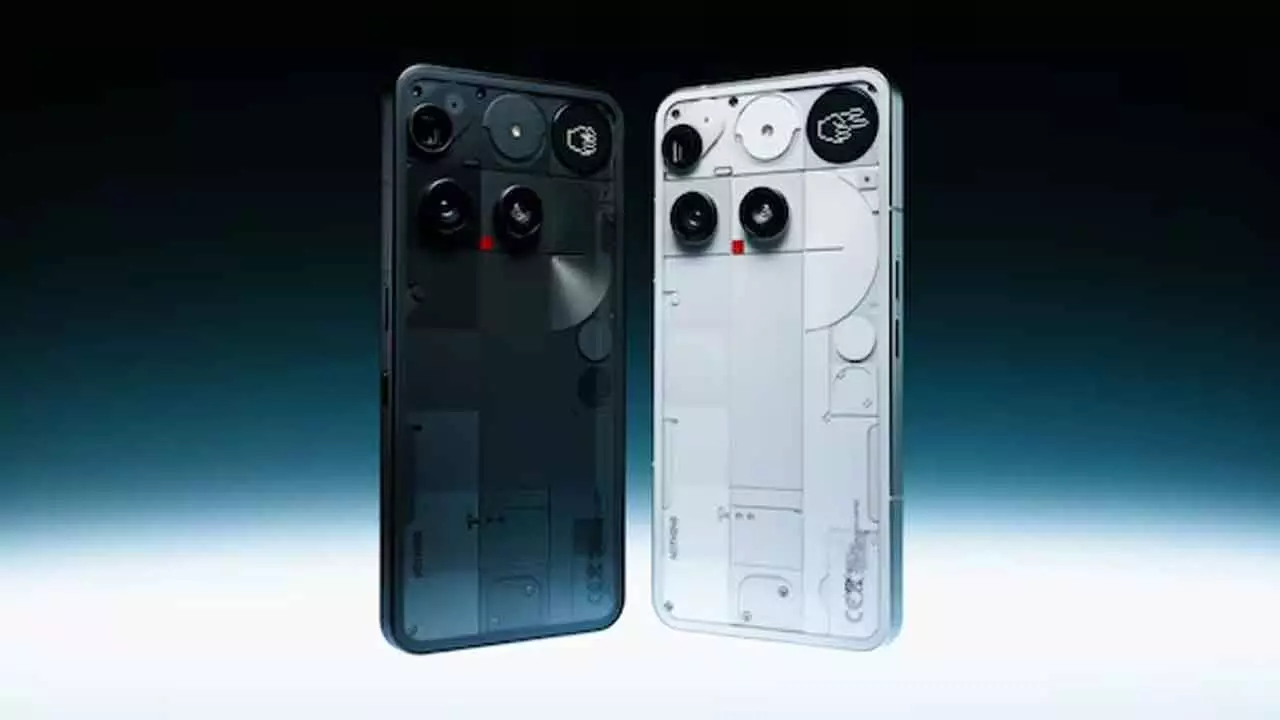
Nothing pauses yearly flagships, keeps Phone 3 as a premium model while doubling down on improved mid-range devices and audio expansion.
Nothing is taking a different path from the usual smartphone playbook in 2026. Instead of releasing a brand-new flagship every year, the company has confirmed that last year’s Phone 3 will continue as its top-end device for another cycle. That means there will be no Phone 4 anytime soon.
CEO Carl Pei addressed the decision directly, reinforcing the brand’s long-standing strategy of focusing on meaningful improvements rather than frequent releases.
“We’re not just going to churn out a new flagship every year for the sake of it, we want every upgrade to feel significant. Just because the rest of the industry does things a certain way it doesn’t mean we will do the same," Pei said in a recent video.
The approach reflects Nothing’s two-year flagship refresh policy, similar to how the Phone 2 remained relevant before the Phone 3 arrived. While some smartphone brands push annual upgrades, Nothing believes longer cycles allow it to invest more in design, software polish, and overall user experience.
So, what does this mean for buyers this year?
Instead of a new premium model, the company plans to focus heavily on its mid-range offerings, especially the upcoming Phone 4a series. Pei has hinted that the next a-series devices will move closer to flagship territory in terms of features and performance. This could include better hardware, refined software, and improvements in everyday usability.
If executed well, the 4a lineup might blur the gap between mid-range and premium phones — a segment where Nothing has already found success.
Beyond smartphones, Nothing is also expanding its audio portfolio. New products such as Ear 4, Headphones 2, and additional accessories under the CMF sub-brand are expected. This signals a broader ecosystem strategy, aiming to strengthen its presence beyond just phones.
However, pricing could still be a concern. Pei previously mentioned that component shortages, especially around RAM, could make devices more expensive this year. That may impact both mid-range and premium categories.
Interestingly, the Phone 3 itself might become more attractive in 2026. When it launched at Rs 79,999, many buyers were surprised by the steep price. Over time, discounts brought it closer to Rs 50,000, making it far more competitive. With no immediate successor on the horizon, the Phone 3 could emerge as a strong value flagship option for those seeking premium features without paying top-tier launch prices.
At a time when the smartphone market often feels repetitive, Nothing’s slower, experience-first strategy stands out. Whether this gamble pays off will depend on how well the 4a series delivers on its promise — and whether consumers embrace fewer launches with bigger upgrades.