Face Biometric Attendance Machine in India: The Future of Smart Workforce Management

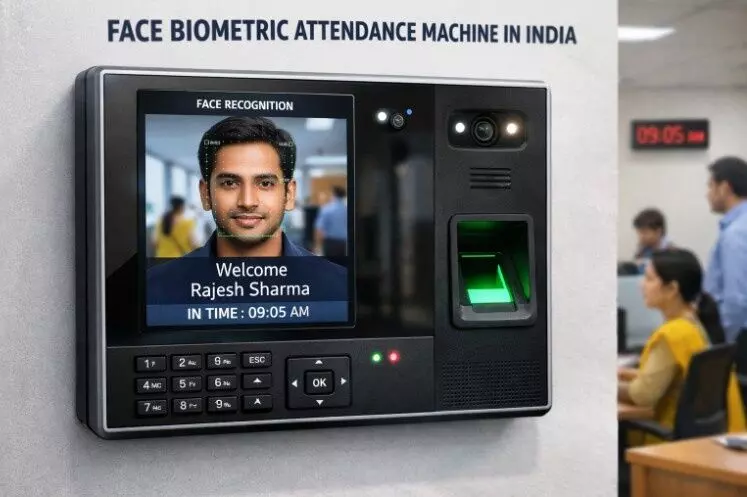
Face biometric attendance systems in India offer contactless, secure, and accurate workforce management with seamless HR and payroll integration.
In today’s fast-evolving digital environment, organizations across India are rapidly replacing traditional attendance methods with advanced biometric systems. Among the most preferred solutions is the face biometric attendance machine, a smart, contactless, and highly secure system designed to streamline workforce management.
From corporate offices and manufacturing plants to schools, hospitals, and government institutions, face recognition attendance systems are transforming the way attendance is recorded and monitored. This blog covers everything you need to know about face biometric attendance machines in India, including features, benefits, pricing, legal aspects, applications, and future trends.
What is a Face Biometric Attendance Machine?
A face biometric attendance machine is a device that uses facial recognition technology to identify and verify individuals based on their unique facial features. Unlike fingerprint or RFID card systems, facial recognition does not require physical contact with the device.
The system works by capturing an image of a person’s face, converting it into a digital template, and securely storing it in a database. When the individual stands in front of the device again, the system compares the live image with the stored template and marks attendance automatically if there is a match.
This process is fast, accurate, and secure, making it an ideal solution for modern workplaces.
Why Face Biometric Attendance Systems Are Popular in India
India has a vast and diverse workforce across multiple sectors such as IT, manufacturing, retail, education, healthcare, logistics, and government services. Managing attendance manually or through outdated systems often results in errors, time wastage, and payroll discrepancies.
Here are the key reasons why face biometric attendance systems are gaining popularity:
1. Contactless Operation
Face recognition systems eliminate the need to touch sensors, making them hygienic and suitable for post-pandemic workplace environments.
2. Eliminates Buddy Punching
Traditional systems often face issues where employees mark attendance for absent colleagues. Face recognition prevents such practices, ensuring accurate records.
3. High Speed and Accuracy
Modern machines can recognize faces within seconds and offer accuracy levels of over 99%, even in large organizations.
4. Seamless Integration
These systems can integrate with HR software, payroll systems, and enterprise resource planning tools, enabling automatic salary calculation and attendance reporting.
Key Features of Face Biometric Attendance Machines
Face biometric attendance machines available in India come with advanced features that enhance efficiency and reliability:
- AI-powered facial recognition algorithms
- High-speed verification (under one second)
- Infrared sensors for low-light recognition
- Mask detection capability
- Anti-spoofing technology to prevent fake images
- Cloud-based data storage
- Real-time attendance tracking
- Mobile app integration
- Multi-location data synchronization
- Access control integration
These features make the system suitable for both small businesses and large enterprises.
Industries Using Face Biometric Attendance in India
Corporate Offices
Companies use face recognition systems to automate attendance tracking and reduce administrative workload.
Manufacturing and Industrial Units
Factories rely on biometric systems to monitor shift timings, overtime hours, and workforce discipline.
Educational Institutions
Schools and colleges use facial recognition to track student attendance and ensure staff punctuality.
Healthcare Sector
Hospitals use biometric systems to manage attendance across multiple shifts efficiently.
Government Organizations
Government departments are increasingly adopting biometric systems to improve transparency and eliminate attendance fraud.
Benefits of Face Biometric Attendance Machines
Improved Accuracy
Manual registers and card-based systems are prone to errors. Face recognition ensures precise and reliable attendance data.
Enhanced Security
Faces cannot be easily duplicated or shared, unlike ID cards or passwords.
Time Efficiency
Attendance marking takes only seconds, reducing queues and saving valuable time.
Reduced Administrative Work
Automation minimizes paperwork and manual data entry.
Real-Time Monitoring
HR teams can monitor attendance remotely through dashboards and cloud platforms.
Scalability
Face biometric systems can manage thousands of employee profiles, making them ideal for growing organizations.
Cost of Face Biometric Attendance Machines in India
The price of face biometric attendance machines varies depending on features, storage capacity, brand reputation, and integration capabilities.
Typical price range in India:
- Basic models: ₹7,000 to ₹12,000
- Mid-range models: ₹12,000 to ₹25,000
- Enterprise-level systems: ₹25,000 to ₹60,000 or more
Additional costs may include cloud subscription fees, software licensing, and annual maintenance contracts.
While the initial investment may seem higher than traditional systems, the long-term benefits in terms of efficiency and reduced fraud justify the expense.
Legal and Privacy Considerations
Biometric data is classified as sensitive personal information. Organizations collecting and storing facial data must comply with Indian data protection regulations.
Key compliance measures include:
- Obtaining written employee consent
- Clearly defining the purpose of data collection
- Implementing strong encryption and cybersecurity measures
- Restricting access to authorized personnel only
- Ensuring secure storage and timely deletion of data
Transparency and proper communication with employees are essential to build trust and avoid legal complications.
How to Choose the Right Face Biometric Machine
Selecting the right system requires careful evaluation of your organizational needs. Consider the following factors:
1. Recognition Accuracy
Choose a system with high accuracy to minimize errors.
2. Recognition Speed
The ideal system should verify faces in less than one second.
3. Storage Capacity
Ensure the device can store the required number of employee records.
4. Integration Capability
Check compatibility with your HRMS, payroll, or access control systems.
5. Data Security Features
Look for encryption, secure servers, and anti-spoofing technology.
6. Vendor Support
Select a vendor that provides installation, training, and after-sales service.
Face Recognition vs Fingerprint Attendance
FeatureFace Recognition Fingerprint
Contactless Yes No
Hygiene High Medium
Speed Very Fast Fast
Maintenance Low Moderate
Proxy Attendance Risk Very Low Moderate
Due to its contactless nature and improved security, many organizations are upgrading from fingerprint systems to face recognition technology.
Challenges of Face Biometric Attendance Systems
Although face biometric systems offer numerous advantages, there are some challenges to consider:
- Higher upfront investment
- Data privacy concerns
- Dependence on proper lighting and device positioning
- Internet dependency for cloud-based systems
- Employee resistance due to privacy worries
These challenges can be managed through proper planning, training, and transparent communication.
Future of Face Biometric Attendance in India
India is rapidly embracing digital transformation across sectors. With advancements in artificial intelligence and machine learning, face biometric systems are becoming more sophisticated and affordable.
In the coming years, we can expect:
- Improved accuracy even with aging or appearance changes
- Wider adoption among small and medium enterprises
- Integration with mobile-based attendance systems
- Use of analytics for workforce productivity insights
- Enhanced security with advanced anti-spoofing measures
As organizations prioritize automation and efficiency, face biometric attendance systems will become a standard feature in modern workplaces.
Conclusion
Face attendance machines are redefining workforce management in India. By offering contactless operation, enhanced security, high accuracy, and seamless integration with HR systems, they provide a smart alternative to traditional attendance methods.
Whether you operate a corporate office, factory, school, hospital, or government department, investing in a face biometric attendance system can significantly improve operational efficiency and accountability.
As India continues its journey toward digital innovation, face recognition technology will play a crucial role in building smarter, safer, and more transparent workplaces across the country.