




- SC defers hearing on Rahul Gandhi, other Oppn leaders’ plea against SIR
- Venkatesh’s Adarsha Kutumbam Gets Ticket Price Hike in Andhra Pradesh
- Rajinikanth’s Jailer 2 Latest Collection Report
- UP Election Body Apologises Over ‘Ram Didn’t Kill Any Minority’ Remark After Voter Slip Error
- Apple releases iOS 27.2 with fixes for over 160 security flaws
- UP Gears Up for Grand 10th Deepotsav from November 5
- People Want Solutions, Not a Competition in Abuses: Mayawati
- Kolkata stampede: CCTV footage shows devotees ignoring cops' requests
Elon Musk predicts robots could drive RAM demand
In Short
Elon Musk says that humanoid robots could use RAM than everything else, on Earth. This might make the global memory shortage even worse.

Share :
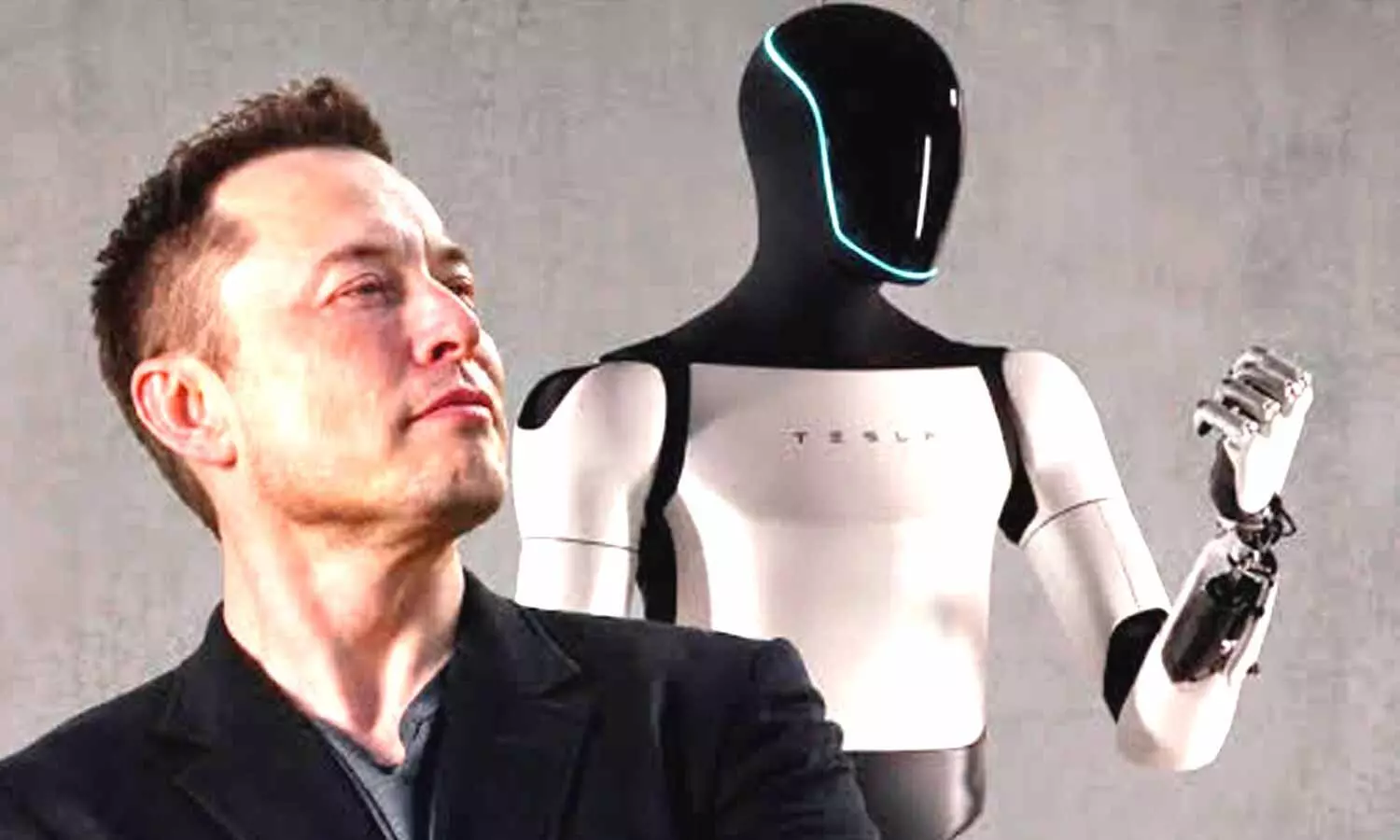
Elon Musk predicts robots could drive RAM demand
The global RAM shortage is already putting pressure on the technology industry. Elon Musk says the global RAM shortage could become more difficult as humanoid robots become more common. The global RAM shortage will make the technology industry struggle more.
Memory chips, like RAM and NAND are now some of the wanted parts in the tech world. This is mostly because artificial intelligence data centres need a lot of computing power. Musk thinks that more and more humanoid robots being used could start a new big increase in the need, for memory.
Elon Musk made a prediction while replying to a thread on X. The original post mentioned a Counterpoint Research report that predicted a rise in RAM needs for humanoid robots. The report says that worldwide DRAM demand from humanoid robots could increase than twenty times going from, about 8,300 terabytes in 2026 to about 172,000 terabytes by 2030.
Musk, however, believes even that estimate may be too conservative. “Silly Analysis. Robot RAM needs will exceed everything else on Earth, as you need the robots to be on physical substates in order to shape atoms,” he wrote.
The prediction arrives at a time when AI demand has already put pressure on the memory industry. RAM prices have risen sharply over the year which changes the cost of consumer items such as smartphones and laptops. Businesses in India have also been dealing with the shortage with memory prices adding to the challenges of running technology operations.
Musk points to space-based AI
There could, however, be another side to Musk’s prediction. In the same post, he suggested that future super intelligence could depend heavily on computing infrastructure located in space.
“Super intelligence needs will vastly exceed that, but ~100 per cent of SI will be deep space compute. Obviously,” Musk added.
While Musk did not directly explain whether orbital data centres could ease pressure on memory supplies, moving some AI infrastructure away from Earth could theoretically reduce the need for massive data centres on the planet.
Humanoid robots themselves are expected to require substantial memory because they need to process information from cameras, LiDAR, tactile sensors and other systems in real time. More advanced AI models, including world models designed to predict changes in their surroundings, could push those requirements even higher.
Memory manufacturers are already watching the robotics industry closely. Micron chief executive Sanjay Mehrotra said during an earnings call, “Level 4 or higher autonomous vehicles typically require over 200GB of memory and several terabytes of storage. Humanoid robots will likely need similar levels of memory and storage.”
The humanoid robotics sector is also advancing rapidly. Chinese companies such as Unitree have demonstrated increasingly capable robots, while Tesla has been developing its Optimus humanoid robot.
Whether Musk’s prediction becomes reality remains to be seen. For now, though, the combination of AI and robotics suggests that the global demand for memory chips could remain high for years to come.

Bolsonaro backs off Brazil poll challenge after Trump says 'I’m not running Brazil'
Kotia integral to Odisha since 1936, says CM Majhi in letter to Naveen Patnaik
Delhi Police crack Rs 44 lakh daylight robbery, arrest six
Radico Khaitan Q2 net profit surges 66 pc to Rs 230 crore; sustains record momentum
PM Modi to inaugurate 2.62 km forest eco-trail at Ekta Nagar on October 31
SC Issues Notice to Rahul Gandhi Over Plea Alleging He Pushed Pregnant Journalist on October 12
Produce Evidence of ‘Vote Chori’ or Stop False Narrative: TG BJP Chief
Cyclone Arnab: Flash floods alert issued in parts of AP
CM Naidu tweets in Kurnool Solar Plant Is operational, says "we said it, we did it"
PM Modi to inaugurate Emerging Science, Technology, and Innovation Conclave 2026 at Bharat Mandapam today


