Elon Musk Dismisses Starlink Phone Rumours, Says SpaceX ‘Not Developing a Phone’

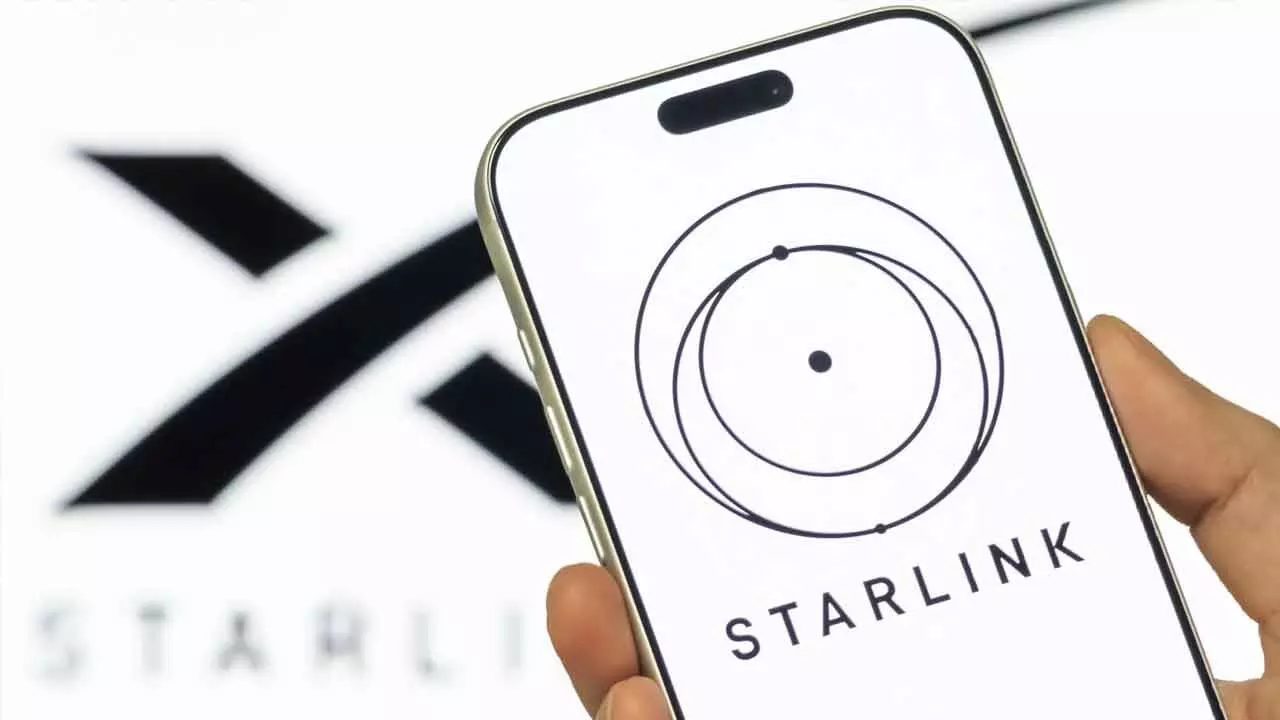
Elon Musk clarifies SpaceX is not building a Starlink phone yet, despite speculation and hints about a future AI-focused device.
Speculation around a possible Starlink-branded smartphone has been put to rest — at least for now. Elon Musk has clearly stated that SpaceX is not currently developing a Starlink phone, despite recent chatter suggesting otherwise.
The conversation began after reports hinted that SpaceX could expand its product lineup with a satellite-powered mobile device. However, Musk quickly addressed the claims on X, responding directly and writing, “We are not developing a phone.” His brief but firm reply ended growing expectations that a Starlink handset might soon hit the market.
Interestingly, Musk’s denial comes only days after he appeared open to the concept. In an earlier exchange on the platform, he had suggested that the idea wasn’t impossible, writing, “Not out of the question at some point.” While that comment sparked excitement among tech enthusiasts and investors, it seems SpaceX has no immediate plans to venture into smartphone manufacturing.
If a Starlink phone ever becomes reality, Musk has already shared how it would differ from traditional devices. Rather than competing directly with iPhones or Android smartphones, he suggested the focus would be on advanced computing efficiency and artificial intelligence. As he explained, such a device would be “Optimised purely for running max performance/watt neural nets.” This points toward a highly specialised device built for AI-heavy tasks rather than everyday consumer features.
For now, SpaceX’s attention remains firmly on Starlink — its satellite internet service that has rapidly grown into one of the company’s most important businesses. Starlink operates through thousands of low-Earth orbit satellites, delivering high-speed internet access across remote and underserved regions worldwide.
The service has become a major financial engine for SpaceX. Reports indicate Starlink contributes roughly 50 to 80 percent of the company’s overall revenue. Last year alone, the division reportedly generated $8 billion in profit. With such strong performance, it’s clear why SpaceX may prefer to strengthen its satellite network instead of diversifying into hardware manufacturing.
Starlink’s reach continues to expand. The platform now serves around nine million users globally and has secured partnerships with more than 30 airlines. It also works closely with governments and military agencies. Beyond home internet, SpaceX is exploring additional services such as direct-to-device satellite connectivity through collaborations with companies like T-Mobile, as well as projects like Stargaze, a space-tracking initiative.
The company has even filed trademarks for “Starlink Mobile” and patents related to enhanced connectivity, fueling ongoing speculation about future consumer devices. Still, Musk’s immediate priority appears to be improving coverage and infrastructure rather than launching a phone.
As he has previously noted, the broader mission is to “deliver full cellular coverage everywhere on Earth.” For now, that goal will likely be achieved through satellites — not smartphones.