Bharat Taxi Launched as Cooperative Ride Platform, Drivers Can Become Co-Owners for Rs 500

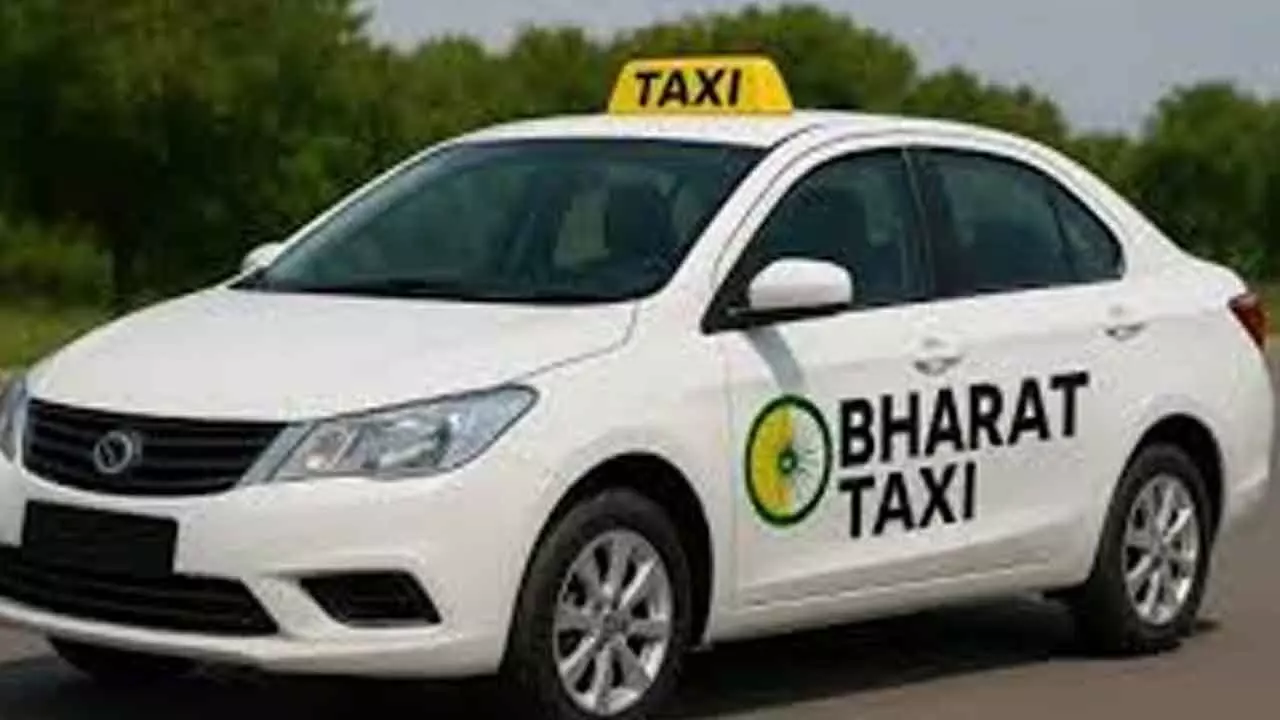
Bharat Taxi promises 80% profit sharing and driver ownership, aiming to reshape India’s ride-hailing ecosystem through a cooperative model.
In a significant shift from the traditional ride-hailing business model, the government has introduced Bharat Taxi, a cooperative-based platform designed to give drivers a direct stake in the company’s success. The initiative, unveiled by Union Cooperation Minister Amit Shah, aims to ensure that drivers not only earn from rides but also share in the platform’s profits.
Addressing cab and auto drivers from Delhi-NCR and Gujarat, Shah said the platform has been built on a simple principle: drivers should benefit directly when the platform grows. Unlike private ride-hailing companies, where profits largely flow to investors and promoters, Bharat Taxi proposes a structure where drivers are co-owners.
Under the cooperative model, 80 per cent of the profits will be distributed among drivers, calculated based on the distance they travel. The remaining 20 per cent will be retained by the organisation to manage operations and fund expansion. The objective, Shah noted, is to prevent a situation where company revenues rise while driver incomes remain unstable.
Shah highlighted long-standing concerns among drivers about unpredictable earnings and the absence of a guaranteed minimum income. Referring to discussions with existing ride-hailing firms, he said, “I asked the existing companies whether they had fixed a minimum base rate for drivers. They said no. We will ensure your minimum earnings are protected. Anything earned beyond that should also benefit you.”
To illustrate how cooperative ownership can transform livelihoods, Shah cited the example of Amul. “Nearly 36 lakh women invested just Rs 50 each to build Amul into a Rs 1.25 lakh crore organisation,” he said. “In private companies, profits go to owners. In Amul, most profits go back to producers. Bharat Taxi follows the same idea in the mobility sector.”
Drivers can become members of Bharat Taxi by purchasing a share for Rs 500, effectively making them co-owners. As membership expands, drivers will also have representation on the cooperative’s board, giving them a voice in decision-making. “If any decision goes against drivers, your representative will question it and protect your interests,” Shah assured.
Currently, Bharat Taxi operations have begun in Delhi-NCR and Rajkot following a two-month pilot phase. Launched officially on February 5 with support from eight cooperative organisations, the platform plans an ambitious expansion. The government aims to onboard up to 15 crore drivers over the next two years and extend services to all cities with municipal corporations within three years.
However, Shah cautioned that the benefits of the profit-sharing model would take time to fully materialise. According to him, it could take nearly three years for the system to stabilise and deliver consistent returns at scale. Drivers were encouraged to remain patient during the initial growth phase.
As Bharat Taxi prepares for nationwide expansion, it is set to compete with established ride-hailing players such as Ola, Uber, and Rapido. With its cooperative structure and promise of shared ownership, the platform is positioning itself as an alternative built around drivers rather than investors.