Beyond Filters: How AI is Reshaping Personal Creativity and E-Commerce in the Digital Age

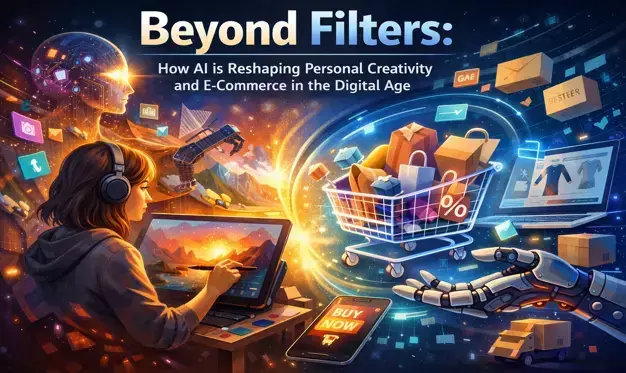
Discover how artificial intelligence is transforming personal creativity and reshaping e-commerce, from smart content creation tools to AI-driven personalization in the digital age.
Introduction
We live in a visually saturated world. Whether browsing an online store for a new festival outfit or scrolling through Instagram to see updates from friends, images are the primary language of the internet. Until recently, creating high-quality images was a skill reserved for professionals with expensive cameras and complex software training. The barrier to entry was high, effectively excluding small business owners and casual users from achieving a professional aesthetic.
However, the rapid integration of Artificial Intelligence (AI) into web-based tools is dismantling these barriers. We are entering a phase of "Digital Democratization," where complex tasks are automated, allowing anyone to produce studio-quality visuals. This shift is having a profound impact on two major sectors: the e-commerce economy and personal memory preservation.
The E-Commerce Equalizer: Virtual Studios
For small and medium enterprises (SMEs) in India and globally, product photography is a significant logistical and financial hurdle. A traditional photoshoot requires models, makeup artists, lighting setups, and location rentals. For a boutique selling sarees or modern wear, this cost can eat significantly into margins.
This is where generative AI serves as a game-changer. Emerging virtual try-on technology allows merchants to digitize their inventory effortlessly. Instead of hiring multiple models to show how a dress looks on different body types, AI tools can now take a flat image of a garment and realistically drape it onto diverse digital models. This allows for:
- Inclusivity: showcasing clothes on various skin tones and body shapes without extra shoots.
- Speed: updating catalog images in minutes rather than weeks.
- Cost Efficiency: removing the need for physical location shoots.
By leveraging these intelligent tools, a home-based entrepreneur can present their brand with the same visual polish as a multinational corporation, leveling the competitive playing field.
Preserving Heritage: The Emotional Impact of AI
Beyond commerce, AI is playing a touching role in family archives. In many households, precious memories are stored in the form of physical photographs that are slowly degrading due to humidity and time. Faded colors, scratches, and blurriness threaten to erase these visual histories.
Modern photo restoration algorithms act as digital archivists. Unlike simple color filters, these tools analyze the geometry of faces and the context of the scene. They can identify damage—such as a tear across a face—and intelligently fill in the missing information. Furthermore, they can colorize black-and-white photos with startling historical accuracy. This technology allows a new generation to see their grandparents' weddings or childhoods not in distant monochrome, but in the vibrant colors of reality, forging a stronger emotional connection to their heritage.
Aesthetic Perfection for the Social Media Age
On a day-to-day level, AI helps users curate their digital presence. We have all experienced the frustration of a perfect travel photo ruined by a distracting background element—a trash can, a photobomber, or a street sign. In the past, removing these required hours of learning manual cloning tools.
Today, browser-based AI tools allow users to simply brush over the unwanted object. The AI analyzes the surrounding texture—be it a complex brick wall or a rippling ocean—and synthesizes a seamless replacement. This "magic eraser" capability ensures that the focus of the image remains on the subject, empowering users to share their best moments without technical limitations.
Conclusion: Creativity Unleashed
The fear that AI will replace human creativity is misplaced. Instead, it is removing the tedious, technical barriers that stifled expression. By automating the difficult tasks—like masking, lighting correction, and object removal—AI frees the human mind to focus on the concept and the story. Whether for boosting a small business or saving a family memory, these accessible tools are ensuring that high-quality visual storytelling is a right available to everyone, not just the professionals.