Apple’s Foldable iPhone Could Revive Touch ID in 2026 as It Moves Closer to an All-Screen Future

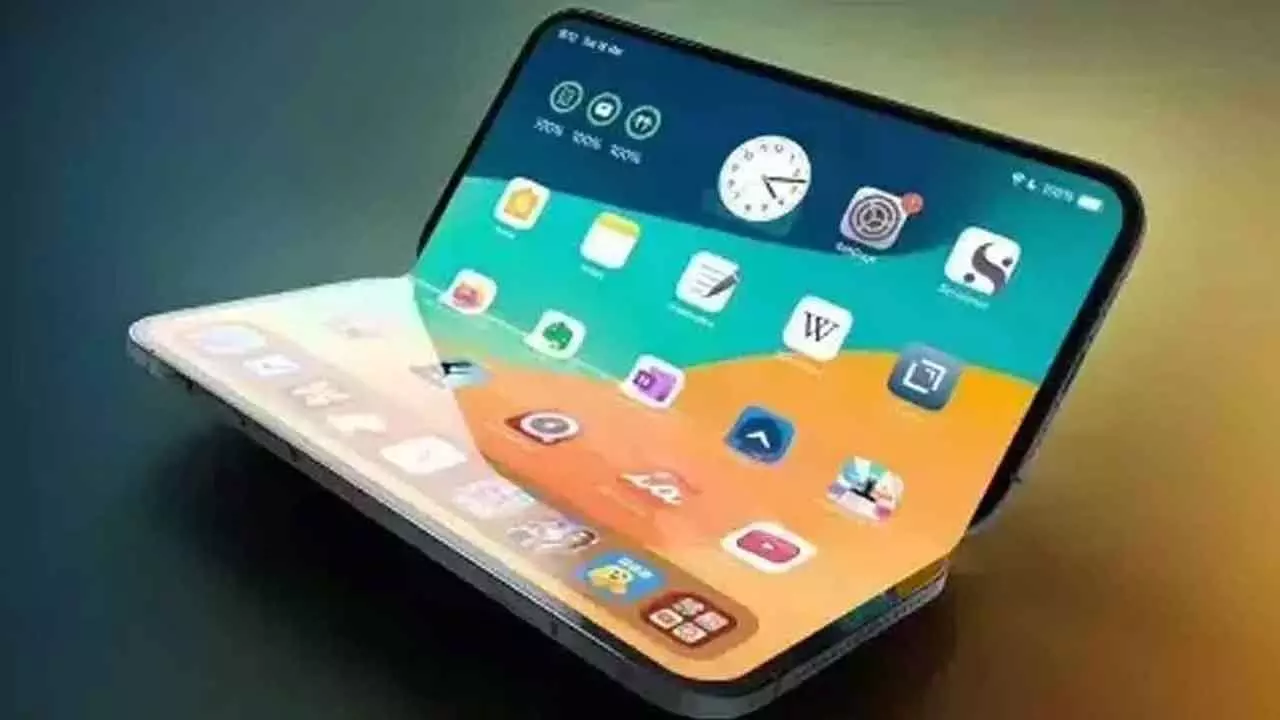
Apple’s first foldable iPhone may debut in 2026 with Touch ID, under-screen cameras, and a major step toward all-screen design.
Apple has long been pursuing a bold design goal: an iPhone that is “nothing but screen.” No notch, no camera hole, no Dynamic Island—just uninterrupted glass. A fresh leak now suggests that this long-term vision may start becoming reality in 2026, with Apple’s first-ever foldable iPhone playing a crucial role. Interestingly, this device could also mark the return of a feature many users still fondly remember: Touch ID.
According to details shared by well-known Chinese tipster Digital Chat Station, Apple is preparing to use its foldable iPhone as a testing platform for major display innovations. Chief among these is under-screen camera technology, which Apple reportedly wants to perfect before introducing it to mainstream iPhone models. The foldable iPhone, expected in 2026, would act as a bridge to a fully all-screen iPhone planned for 2027, a year that coincides with the iPhone’s 20th anniversary.
What stands out most in the leak is Apple’s reported decision to skip Face ID on the foldable model. Instead, the company is said to rely on Touch ID integrated into the side button. The move appears to be driven by practicality rather than nostalgia. Foldable phones have complex internal layouts, and accommodating Apple’s full Face ID hardware inside such a design could be challenging. A side-mounted fingerprint sensor offers a simpler solution while helping Apple achieve a clean, uninterrupted display.
If this information proves accurate, the foldable iPhone would become Apple’s first device to deliver a truly all-screen experience—at least on its inner display. There would be no Dynamic Island, no notch, and no visible camera cutout, reflecting years of research and multiple patents aimed at achieving this exact outcome.
Apple’s confidence reportedly stems from two key technological advances. The first is under-screen Face ID. Leakers claim Apple has found a way to hide its TrueDepth sensors beneath the display using a special micro-transparent glass layer. This layer allows infrared light to pass through properly, which is essential for Face ID to function reliably. Reports suggest this technology could debut as early as the iPhone 18 Pro models, though Apple may initially keep a smaller Dynamic Island rather than removing it completely.
The second breakthrough is even more ambitious: a 24-megapixel under-screen front camera, said to be designed for the foldable iPhone’s inner display. This would be a significant leap over existing Android under-display cameras, which often compromise on image quality due to limited light transmission. The leak mentions a six-element plastic lens system, potentially allowing sharper images and better detail than current solutions.
Taken together, Apple’s roadmap appears carefully staged. Under-screen Face ID is expected to arrive first on Pro models. The foldable iPhone then introduces the under-screen selfie camera while relying on side-button Touch ID. Finally, in 2027, both technologies are expected to merge in a special anniversary iPhone.
That future device is rumoured to feature a display that curves over all four edges with virtually no bezels, echoing the vision of former Apple design chief Jony Ive—a phone that feels like a single, seamless piece of glass.