AI on the Battlefield: Claude Accelerates Military Targeting in Iran Conflict

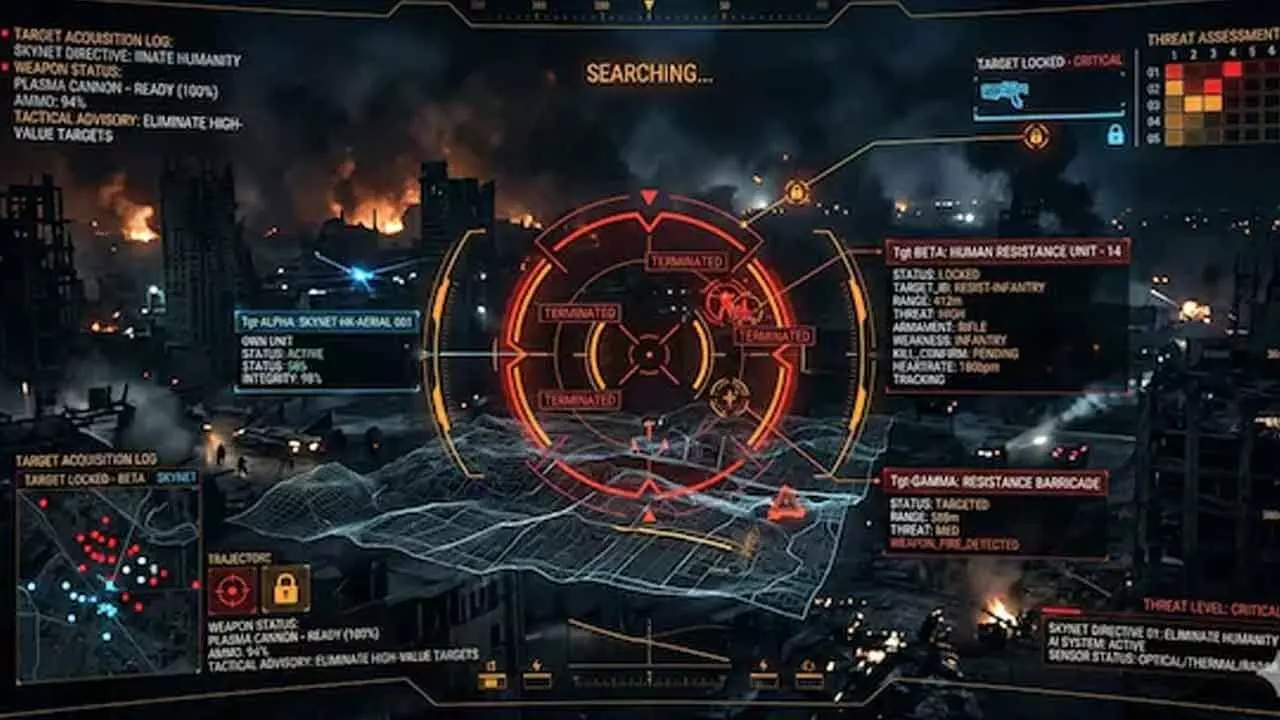
Anthropic’s Claude AI helped US forces rapidly analyse battlefield intelligence, enabling identification and prioritisation of 1,000 targets within 24 hours.
Artificial intelligence is rapidly transforming the nature of modern warfare. In recent military operations targeting Iranian infrastructure, a sophisticated AI system developed by Anthropic reportedly played a major role in helping commanders process intelligence and accelerate battlefield decisions.
The AI tool, known as Claude, was originally designed as a large language model capable of assisting with everyday tasks such as writing, research and data analysis. However, the technology has now found its way into military intelligence workflows. Integrated into the Pentagon’s Maven Smart System, Claude helps analysts interpret massive volumes of data and identify potential threats more efficiently.
Modern warfare produces enormous streams of information—from satellite imagery and drone footage to intercepted communications and battlefield reports. Processing this data manually can overwhelm even the most experienced intelligence teams. AI systems like Claude can rapidly analyse these inputs, detect patterns and highlight information that may otherwise take days for humans to identify.
One of the most notable examples of the system’s impact reportedly occurred during the opening phase of the recent campaign involving the United States and Israel against Iranian targets. According to reports, military planners were able to identify and prioritise roughly 1,000 potential strike targets within the first 24 hours of the operation.
According to a famous, Claude helps compress the so-called “kill chain"—the timeline from detecting a target to executing a strike—from days to mere hours. This ability to process information faster than humans can perceive has earned AI-assisted operations the description “faster than the speed of thought".
Although the AI system plays a crucial analytical role, final decisions still remain with human commanders. The platform provides real-time decision support by recommending high-priority targets based on predictive models, simulating possible outcomes of strikes and troop movements, and combining intelligence gathered from multiple sources to produce actionable insights within minutes.
Claude’s integration into defence systems also reflects a broader trend. AI technologies are increasingly being used to support battlefield planning and intelligence analysis. Data fusion platforms combine satellite images, drone feeds and signals intelligence to provide a unified operational picture. Predictive modelling tools help anticipate enemy movements or escalation patterns, while advanced simulations allow commanders to test scenarios in virtual “battle labs" before committing troops or resources.
Together, these technologies illustrate a future where AI is not only assisting military planning but also shaping the speed at which operations unfold.
Experts describe this transformation as “decision compression"—a process where tasks that once required days of human analysis can now be completed in hours or minutes. While this can lead to faster and potentially more precise military operations, it also raises concerns about ethics and oversight. Some analysts warn that rapid AI-generated recommendations could turn human decision-makers into “rubber stamps," approving actions without full deliberation, according to a famous publication.
The deployment of Claude has also intersected with political tensions in the United States. The company behind the technology, Anthropic, has had disagreements with the administration of Donald Trump over the use of AI in surveillance and autonomous weapons systems.
According to a famous publication, just hours before the Iranian bombing campaign commenced, Trump declared that federal agencies would be barred from using Anthropic’s technology, giving them six months to transition away from the systems.
Despite these restrictions and ongoing political disputes, Claude reportedly remained embedded in classified military platforms during the operation.
The episode underscores how artificial intelligence is increasingly intertwined with modern defence strategies. As AI tools become more deeply integrated into military decision-making, governments face the difficult task of balancing technological advantages with ethical responsibility and human oversight.