‘20 Years From Now, Zoravar Will Be 31-32’: Shikhar Dhawan Shares Emotional Message to His Son Amid Years of Separation

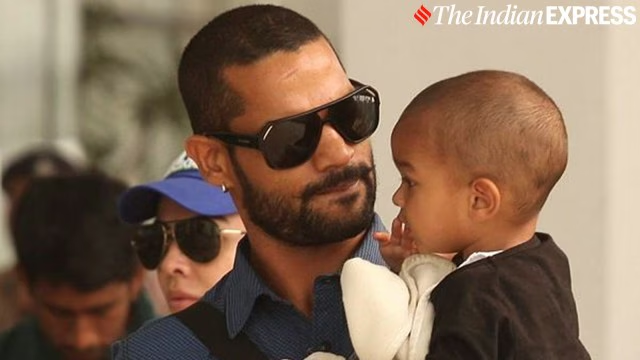
Shikhar Dhawan shares a heartfelt message to his son Zoravar after years apart, urging him to find happiness through self-reflection and inner strength.
Former Indian cricketer Shikhar Dhawan has opened up about the emotional toll of being estranged from his son, Zoravar, and shared a heartfelt message for him, reflecting on the values he hopes his child will carry into adulthood.
Speaking on a recent podcast hosted by Ranveer Allahbadia, Dhawan said it’s been over two years since he last saw his 11-year-old son following a difficult divorce from his ex-wife Ayesha Mukherjee in 2023. Dhawan revealed that he has been cut off from all contact, including through social media, but continues to stay spiritually connected to Zoravar.
“Twenty years from now, Zoravar will be 31 or 32,” Dhawan said on the podcast. “All I want to tell him is: be happy. Whatever you do, be happy doing it. The way to stay happy is to look within yourself, acknowledge your flaws, recognize your strengths, and improve. That’s all I would want for him — happiness.”
Coping Through Spirituality
In a previous conversation with ANI, Dhawan described how he copes with the prolonged separation:
“It’s been two years since I’ve seen him, one year since I last spoke to him. It’s painful, but I’ve learned to live with it. I connect with him spiritually through affirmations. I feel I’m hugging him, talking to him, putting energy into that bond every day.”
The Psychological Toll of Estrangement
According to Neha Cadabam, senior psychologist and executive director at Cadabams Hospitals, prolonged separation from a child can lead to complicated grief, especially when the child is alive but inaccessible.
“Grief, helplessness, guilt, anger, and longing can coexist in such cases,” she explains.
Cadabam emphasizes the importance of emotional expression and recommends tools such as journaling, therapy, creative outlets, and support groups for estranged parents.
“Healing begins with self-compassion,” she adds. “Many parents blame themselves, but not all circumstances are within one’s control.”
A Message That Builds Resilience
Cadabam notes that Dhawan’s message to his son, focused on self-reflection and happiness, can have lasting emotional benefits.
“When a parent prioritizes internal growth over external achievements, it reinforces the idea that self-worth isn’t dependent on validation from others. It plants the seeds of emotional intelligence,” she explains.
Over time, such guidance can help children develop resilience, the ability to bounce back from failure, maintain mental balance, and adapt to life's challenges.
“Even if this message reaches Zoravar years later, it can be deeply grounding,” Cadabam concludes. “It tells him that strength isn’t about denying emotion, but embracing and understanding it.”