AIFs Drive Rs 73,903 Cr Into Real Estate by Q3 FY25: ANAROCK

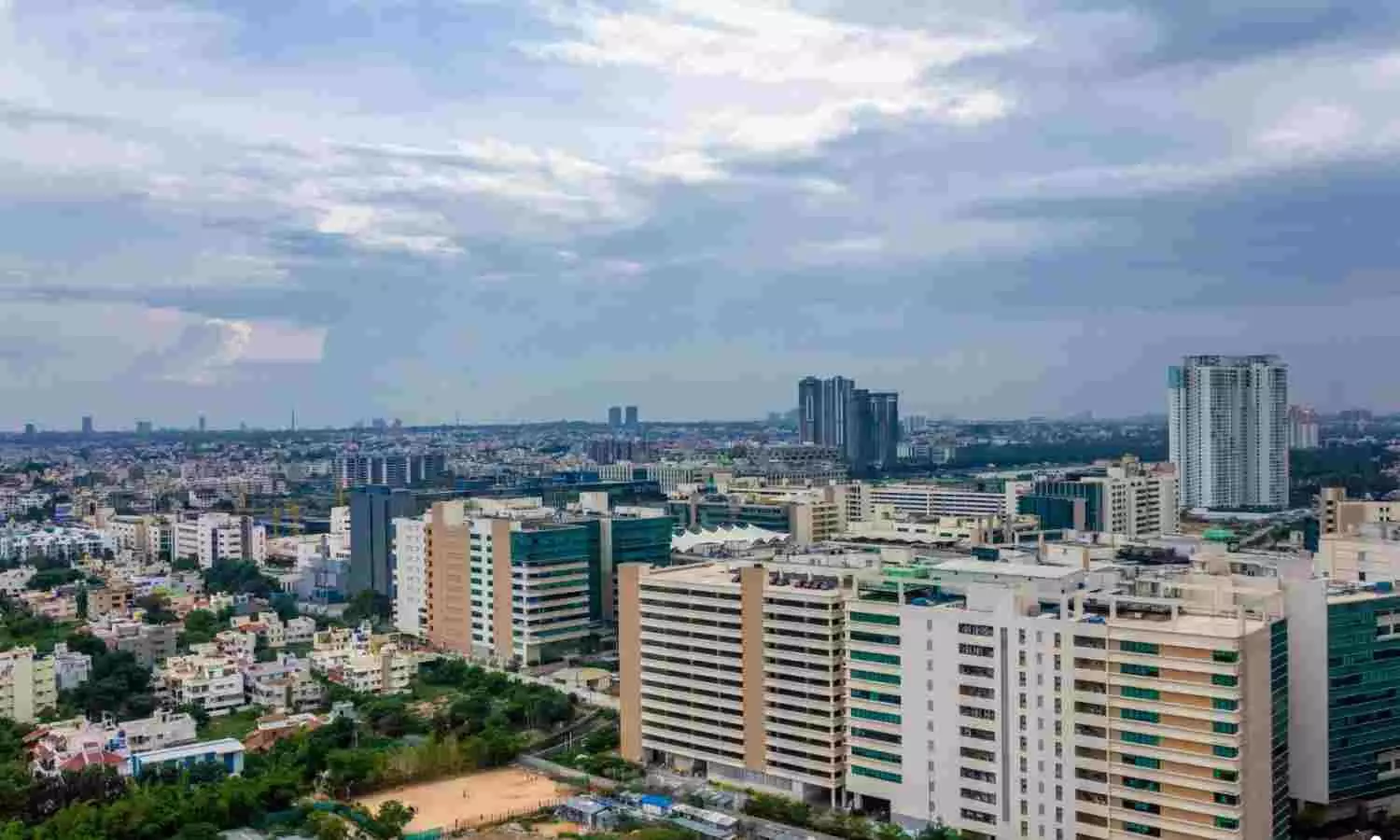
Delhi-NCR, Hyderabad, Bengaluru Lead I&L Leasing in Q1 2025
AIFs invested Rs 73,903 Cr in Indian real estate by Q3 FY25, with Category II leading. SWAMIH Fund drives recovery of stalled projects, says ANAROCK.
Investments through Alternate Investment Funds (AIFs) have emerged as a pivotal financing route for India's real estate sector, addressing funding shortages and fueling project development, according to ANAROCK Research.
Data compiled from the Securities and Exchange Board of India (SEBI) highlights that the real estate sector received the highest share of AIF investments by the third quarter of FY25. Of the total Rs 5,06,196 crore invested across sectors, real estate alone attracted Rs 73,903 crore — accounting for 15 per cent of the total.
Sector-wise Breakdown of AIF Investments (INR Crore)
- Real Estate: 73,903
- IT/ITeS: 30,279
- Financial Services: 26,807
- NBFCs: 21,929
- Banks: 21,273
- Pharmaceuticals: 18,309
- FMCG: 12,743
- Retail: 11,550
- Renewable Energy: 11,433
- Others: 2,77,970
Investments in the real estate sector through AIFs saw an 8 per cent increase in the first nine months of FY25 compared to Rs 68,540 crore at the close of FY24. This steady growth trend is expected to continue.
Prashant Thakur, Regional Director and Head of Research at ANAROCK Group, noted that AIFs serve as an effective alternative for bridging capital gaps across real estate development stages. He added that these funds attract capital from both domestic and overseas sources, offering a stable and scalable investment framework.
The AIF ecosystem has expanded significantly over the last decade. From just 42 registered AIFs in 2013, the number reached 1,524 by March 5, 2025. Since 2019, capital commitments raised have grown five times. Between FY13 and FY25, the compounded annual growth rate (CAGR) of commitments stands at 83.4 per cent, reflecting investor confidence in AIF structures.
Category II AIFs have been the primary contributors to this growth, accounting for nearly 80 per cent of total commitments over the past five years. While domestic investors dominate the AIF landscape, Category II AIFs have drawn substantial foreign portfolio investment as well.
The surge in real estate-focused AIFs has been driven by policy changes, increased investor appetite, and the emergence of new developers and infrastructure projects.
Among the key AIFs, the Special Window for Affordable and Mid-Income Housing (SWAMIH) Fund stands out. It has infused more than INR 35,000 crore into stalled housing projects nationwide, aiding the completion of thousands of housing units.
Anuj Puri, Chairman of ANAROCK Group, said the SWAMIH Fund has significantly stabilized the housing market by offering critical liquidity. However, he emphasized that structural issues continue to hinder the fund's impact.
Challenges Confronting SWAMIH II
- The Rs 15,000 crore corpus for SWAMIH II is insufficient to address the nearly 2,000 stalled housing projects.
- Legal complexities under insolvency proceedings pose revival barriers.
- Lenders’ reluctance to relinquish primary charge on distressed assets delays funding.
- Expired regulatory approvals and lack of environmental clearances obstruct implementation.
- Legal disputes with homebuyers and withheld payments limit cash flow, affecting execution.
Puri stressed that the SWAMIH Fund alone cannot resolve the housing sector's deadlock. For substantial results, systemic reforms must address regulatory and financial hurdles.
With rising investor confidence and evolving regulatory frameworks, AIFs are set to play a central role in transforming real estate funding. As blended finance models and technology-driven assessments become more prevalent, AIFs may bridge capital shortages and unlock large-scale project execution across India.