Women Emerge As Bihar’s Crucial Electoral Force: Can The ‘Mahila’ Wave Revive Nitish Kumar’s Prospects?

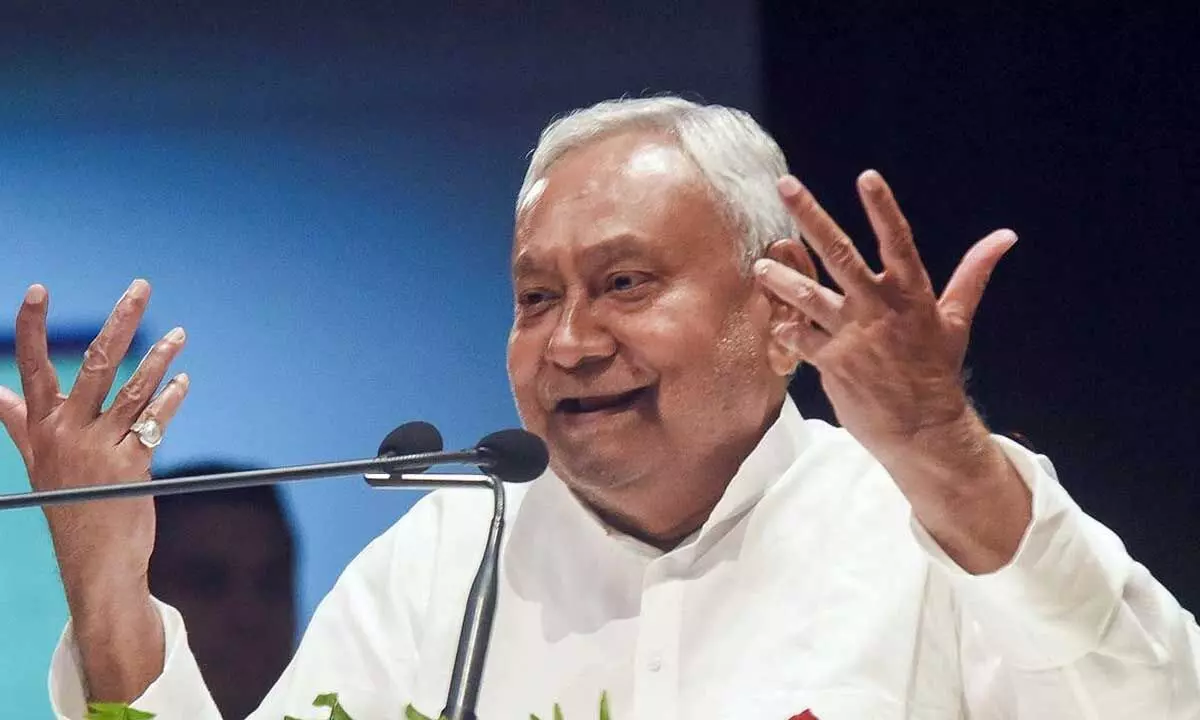
A deep look at how Bihar’s women voters and the MMRY scheme may shape the 2025 Assembly election results, as Nitish Kumar seeks to counter anti-incumbency and health concerns with targeted empowerment initiatives.
Bihar stands apart from the relatively calmer national political landscape, as the state prepares for a two-phase Assembly election on November 6 and 11, with counting scheduled for November 14. The outcome will influence national politics, shaping the political environment for upcoming Assembly polls in West Bengal, Assam, Tamil Nadu, and Kerala in 2026, and later in Uttar Pradesh, Gujarat, and Punjab. With its 40 Lok Sabha seats, Bihar’s results will matter significantly to the BJP, which currently lacks a full majority at the Centre.
This election will also reveal how much the BJP has recovered from the criticism it faced after the ceasefire with Pakistan following the Pahalgam attack and Operation Sindoor. Another critical element is the “PK factor”—the impact of Prashant Kishor and his Jan Suraaj Party—less for the votes he might take away from specific parties, and more for what it indicates about Bihar’s appetite for politics beyond caste-driven alignments.
Bihar has often shaped national political trends. The JP movement that toppled Indira Gandhi in 1977 originated here, and the state pioneered the political rise of Extremely Backward Classes (EBCs), an initiative strongly pushed by Nitish Kumar. EBCs have since become decisive voters in many North Indian states.
Yet, the most significant development in this election could be the Mahila factor, amplified by the Mukhyamantri Mahila Rozgar Yojana (MMRY). Women have outnumbered male voters in every Bihar Assembly election since 2010, making them a major voting bloc. The MMRY, launched by Prime Minister Narendra Modi, provides ₹10,000 to one woman in each eligible family as seed capital for a small business, with the possibility of up to ₹2 lakh in further assistance. Seventy-five lakh beneficiaries have already received the first instalment.
Nitish has expanded on BJP-led women-centric schemes like Madhya Pradesh’s Ladli Behen Yojana and Maharashtra’s Ladki Bahin Yojana, which contributed significantly to victories in those states. Conversations with women voters elsewhere have shown their strong loyalty to leaders who implement such schemes. Many women in rural Maharashtra and Madhya Pradesh openly credited their support to leaders who “put money in their hands”, using these funds to start small enterprises and supplement family income.
Women, now one of India’s most aspirational groups, are being courted by every political party. Nitish recognised this early in his tenure. His initiatives—like providing bicycles and uniforms to encourage girls’ education, imposing prohibition in response to women’s complaints of alcohol-related domestic issues, and introducing major women’s reservations in local bodies and government jobs—earned him lasting goodwill among female voters.
Across rural Bihar, many young women express ambitions to join the police force, seeing it as a path to authority and independence. While rivals such as RJD’s Tejashwi Yadav have introduced women-focused promises, Nitish continues to enjoy a strong credibility advantage in this demographic.
The prominence of female voters is one reason the BJP ultimately backed Nitish as the NDA’s face despite concerns about his health. If the NDA wins, removing him as chief minister may still be difficult, as he could decide to switch alliances based on post-poll numbers.
If women once again help him retain power, schemes like the MMRY may become templates for other states headed into elections. Empowering women financially not only influences voting behaviour but also improves household stability and opportunities for their children.
Next Story