Waqf Amendment Bill Introduced In Lok Sabha Amid Opposition Protests

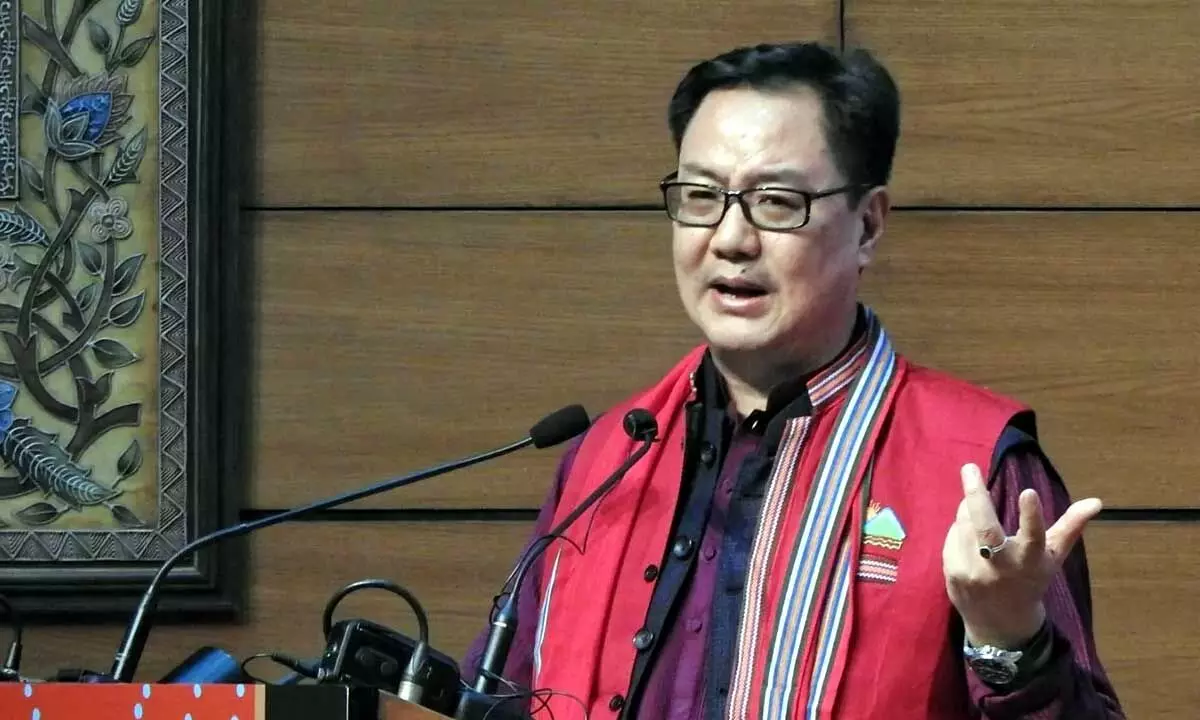
Union minister Kiren Rijiju
Union Minister Kiren Rijiju presented the Waqf Amendment Bill in Parliament, refuting claims it would harm Muslim interests while highlighting the bill's administrative reforms and extensive consultations.
Amid significant opposition protests, Union Minority Affairs Minister Kiren Rijiju introduced the Waqf Amendment Bill, 2024, in the Lok Sabha on Wednesday. During his presentation, Rijiju addressed what he called "rumours" and "misleading criticism" about the legislation, assuring that the bill would be beneficial for all concerned parties.
The minister explicitly rejected concerns that the bill would "take away the rights of Muslims," emphasizing that "no land will be snatched under the Waqf Bill." The proposed legislation aims to amend the 1995 Act to improve the administration and management of waqf properties throughout India by addressing shortcomings in the previous framework, enhancing Waqf board efficiency, streamlining registration processes, and incorporating technology in record management.
In his address to Parliament, Rijiju highlighted the extensive consultation process that informed the bill. "The discussion that has taken place on the Waqf Amendment Bill in the Joint Committee of both Houses has never been done in the parliamentary history of India," he stated. He noted that 284 delegations from various stakeholder communities had presented their views, along with submissions from Waqf boards from 25 states and union territories.
Rijiju also referenced a longstanding legal case from 1970 involving Delhi properties, including the CGO Complex and Parliament building, which the Delhi Waqf Board had claimed. He stated that the previous UPA government had denotified 123 properties and transferred them to the Waqf Board, suggesting that without the current amendments, even the Parliament building could have potentially been claimed as Waqf property.
The minister further criticized changes made to the law in 2013, questioning provisions that allowed non-Muslims to create Waqf and sections giving Waqf laws overriding effect over other legislation.