Waqf Act Now in Effect, Supreme Court to Hear Challenges Next Week

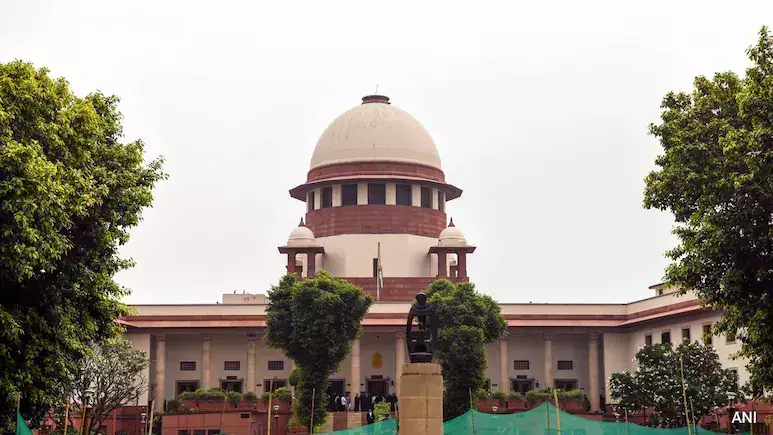
The Waqf Amendment Act is now in force, but 15 petitions challenging it will be heard by the Supreme Court on April 16, amid political and community objections.
The Waqf Amendment Bill, which was passed by Parliament last week, has now come into force, but its implementation is being challenged in the Supreme Court. A series of petitions contesting the amendments will be heard on April 16. The government has filed a caveat in the top court, requesting that no decision be made without first hearing its position on the matter.
To date, 15 petitions have been filed against the controversial amendments, which have sparked significant opposition from both political rivals and certain sections of the Muslim community. These objections were prominently voiced during the prolonged debates in both the Lok Sabha and Rajya Sabha last week.
The amended law introduces several contentious provisions, including the mandatory appointment of two non-Muslim members to both the Central Waqf Council and Waqf Boards. Additionally, the law stipulates that only individuals who have practiced Islam for at least five years can donate properties to Waqf. Another significant aspect of the amendment is the provision that government property designated as Waqf will no longer be under government ownership, with local collectors being responsible for determining its ownership.
The government maintains that the law primarily concerns the management and regulation of property, rather than religion. The ruling Bharatiya Janata Party (BJP) has emphasized that the bill was drafted after extensive consultations with various groups, including non-Muslim minorities, and is intended to address longstanding issues such as the mismanagement of Waqf properties. The BJP also argues that the amendments aim to ensure that Waqf assets benefit women and children, correcting past irregularities.
Critics, however, claim that the law is part of a broader political agenda, with some alleging that Waqf properties were misappropriated due to historical political dynamics, particularly under the Congress party's influence.
The Supreme Court's upcoming hearing is set to address these challenges, potentially shaping the future of the Waqf Act and its impact on property management and religious affairs in India.