Two Nipah Virus Infections Confirmed In West Bengal, Centre Deploys National Response Team

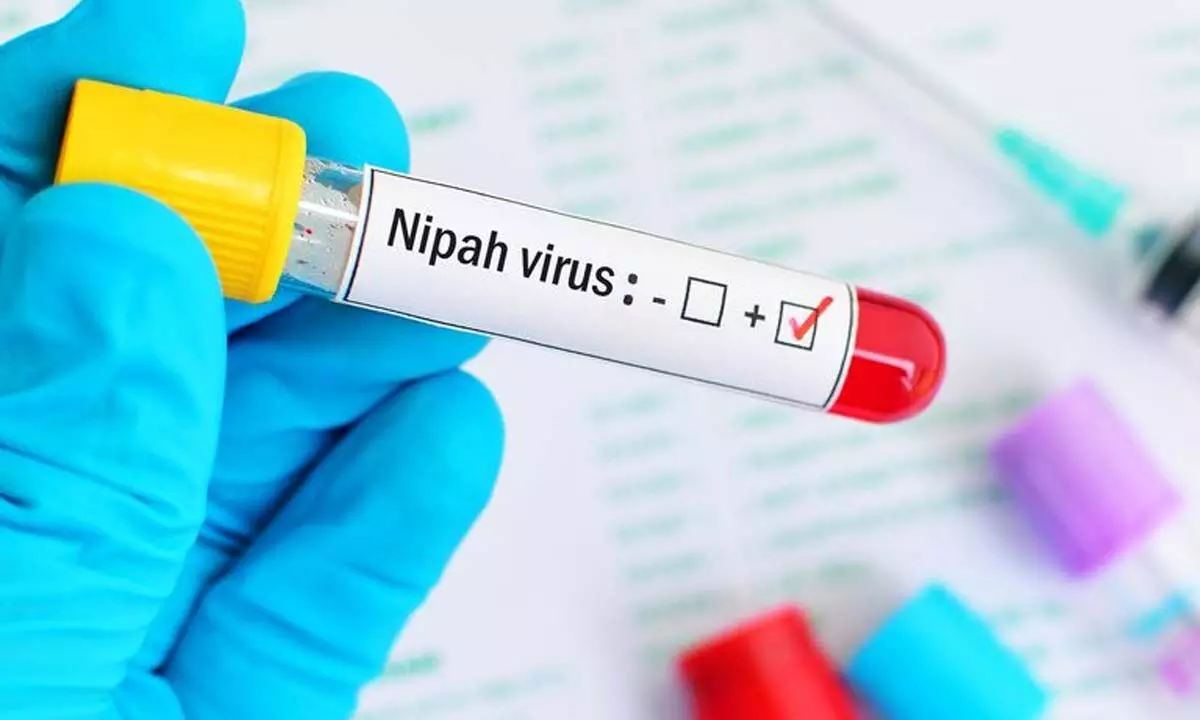
West Bengal has reported two confirmed Nipah virus cases, prompting the Centre to send a national outbreak response team and assure full support to contain the infection and prevent further spread.
West Bengal has confirmed at least two cases of Nipah virus, triggering the deployment of a National Joint Outbreak Response Team to assist the state in containing the infection. Union Health Minister JP Nadda has reached out to Chief Minister Mamata Banerjee, assuring her of complete support from the Centre, while senior officials from the Union health ministry have also coordinated with the state administration.
Nipah is a zoonotic viral disease that primarily affects animals such as bats and pigs but can spread to humans through direct contact with infected animals or consumption of food contaminated by their bodily fluids, including fruits or date palm sap. In humans, the infection commonly manifests as fever and inflammation of the brain and is known to have a high fatality rate.
While Nipah outbreaks are rare in India, previous cases have been reported, most recently in Kerala. West Bengal itself experienced an outbreak in 2001. India currently has access to an experimental monoclonal antibody developed in Australia, which can reduce the severity of the disease if administered early.
Health experts stress that early detection and strict containment are crucial, as Nipah has historically shown a very high case fatality ratio. Past outbreaks in West Bengal recorded fatality rates of 68% in 2001 and 100% in 2007, while the 2018 Kerala outbreak saw a fatality rate of 91%, with only a few patients surviving. Despite its severity, the virus is not as easily transmissible as illnesses like Covid-19 or influenza, making widespread rapid transmission less likely.
The national response team includes specialists from institutions such as the National Institute of Virology, National Institute of Epidemiology, AIIMS Kalyani, and wildlife and public health departments, following a ‘one health’ approach that integrates human, animal, and environmental health. In addition, the Public Health Emergency Operations Centre at the National Centre for Disease Control has been activated to coordinate efforts at the national level.
Next Story