Temperature soars across Odisha

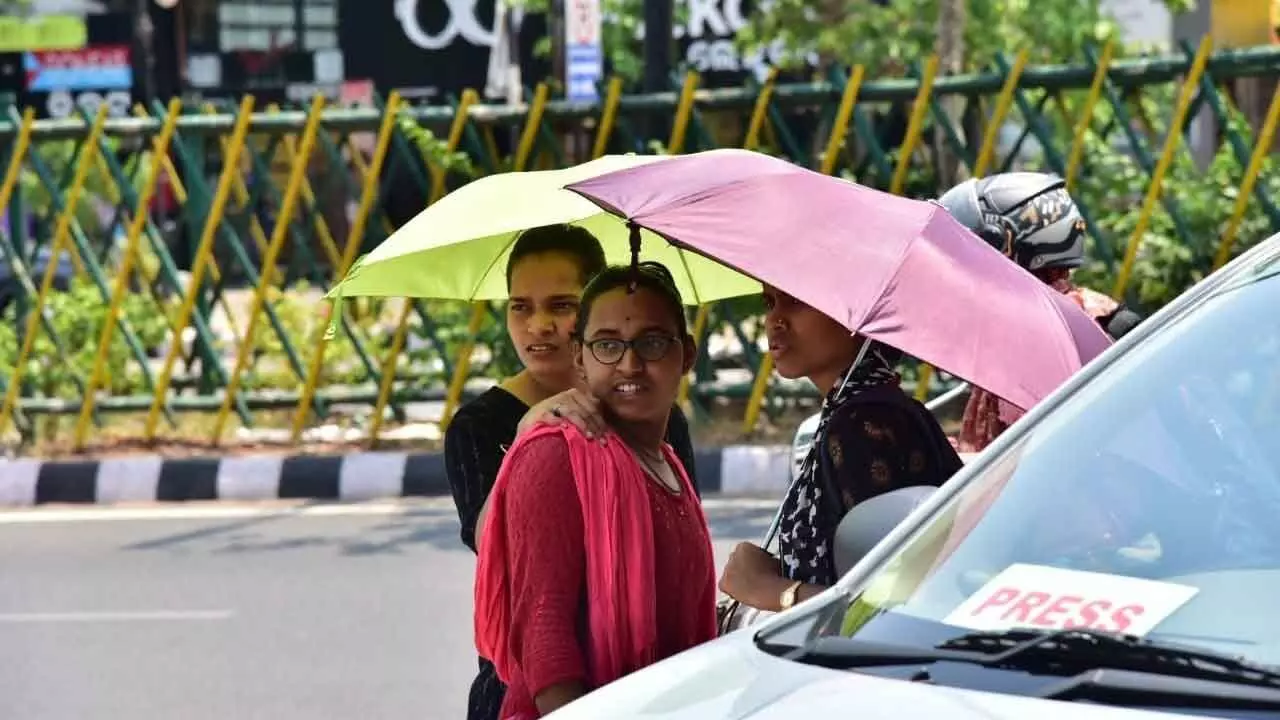
Bhubaneswar: Temperature continues to rise in Odisha indicating a scorching heat wave in the coastal State ahead during the summer season this year.
As per reports, the highest temperature on Sunday in Odisha was recorded at Boudh town (38.2 degrees Celsius). Meanwhile, as many as 10 cities of the State recorded 37 degrees Celsius or more day temperature on Sunday. State capital Bhubaneswar recorded 36.1 degrees Celsius on Sunday. The city witnessed a rise of around 2 degrees Celsius as compared to the temperature recorded on Saturday.
Meanwhile, Titilagarh in Bolangir district along with Akola in Maharashtra with 38.5 degrees Celsius recorded a maximum temperature in the country on Saturday. The IMD’s regional centre claimed that the maximum temperatures were appreciably above normal by about 3-4 degrees Celsius at a few places over the districts of interior Odisha and at one or two places over the districts of coastal Odisha on Saturday. However, it further predicted that no large change in the day temperature will be recorded in Odisha during the next four to five days.
“No large change in maximum temperature (day temperature) for next four and five days and no large change thereafter and no large change in minimum temperature(night temperature) over the districts of Odisha during next four and five days,” said IMD. As per the IMD, Odisha may witness a prolonged and above normal maximum temperature this summer between March and May.
“During the upcoming hot weather season (March to May (MAM)), above-normal maximum temperatures are most likely over most parts of the country, except over southern parts of Peninsular India, and isolated pockets of Northeast India where normal to below-normal maximum temperatures are likely,” predicts the weather agency. The IMD advised the citizens to take personal precautions, such as staying hydrated, avoiding peak sun hours and seeking cool environments, thereby minimising the adverse health impacts of heat waves.