Supreme Court To Hear Petitions On Government's Delays In Judicial Appointments After Two Weeks

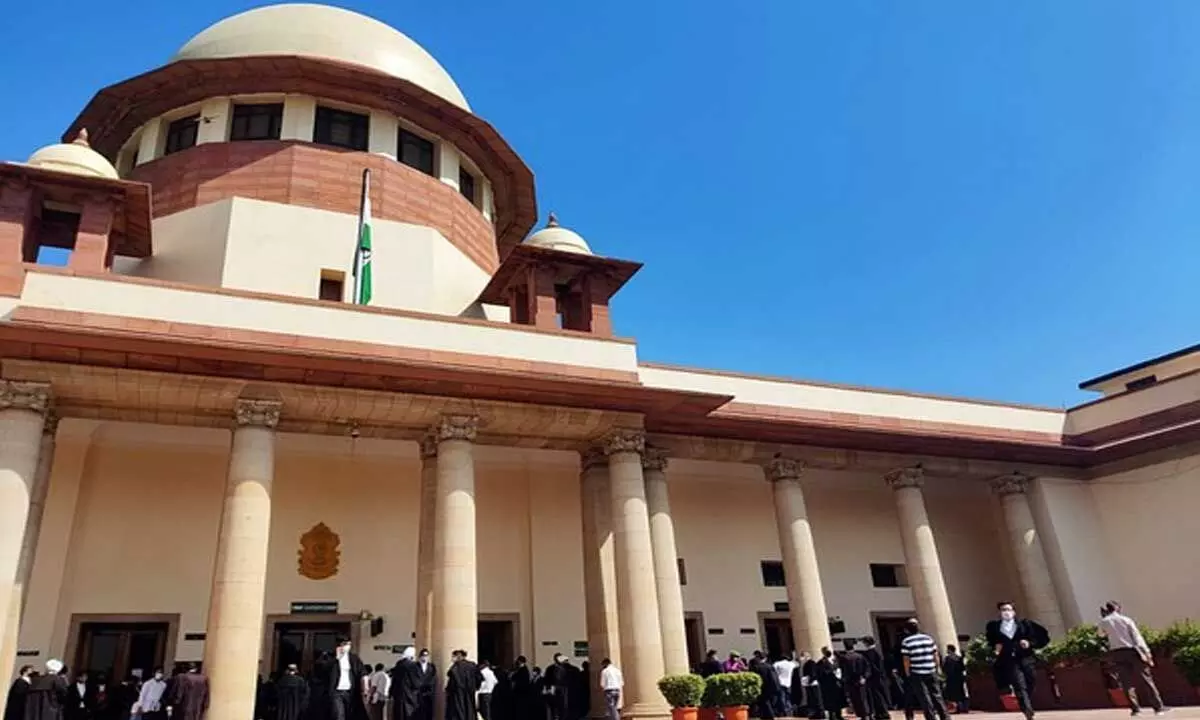
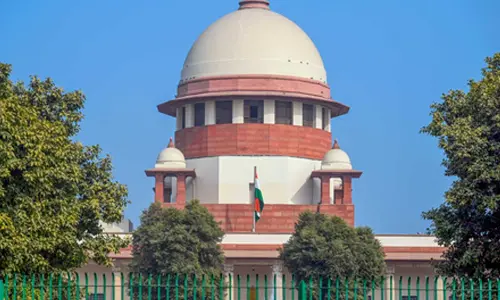
Supreme Court of India
- Supreme Court agrees to list pleas challenging Centre's prolonged delays in appointing judges despite collegium recommendations.
- Some names pending approval since 2019.
The Supreme Court has agreed to examine a series of petitions challenging the central government's prolonged delays in appointing judges whose names have been recommended and reiterated by the collegium system. Chief Justice B R Gavai and Justice K Vinod Chandran announced Thursday that the matter would be heard after a two-week period.
The decision came after senior advocate Arvind Datar and advocate Prashant Bhushan urged the court for urgent listing of their petitions, highlighting that these cases had been scheduled in 2023 but were unexpectedly removed from the cause list without explanation.
Datar presented compelling evidence of the systemic delays plaguing the judicial appointment process, citing instances where candidates' names had been recommended by the Supreme Court Collegium in 2019, then reiterated in 2020 and again in 2022, yet remained uncleared by the government. He emphasized that while the court maintains strict timelines for decisions at every procedural stage, delays extending beyond four years cannot be justified under any circumstances.
The prolonged approval process creates significant consequences for prospective judges, as Datar explained that candidates gradually lose interest in their appointments and suffer from declining seniority rankings while waiting for government clearance. This systemic delay undermines the efficiency of the judicial appointment mechanism and potentially discourages qualified candidates from pursuing judicial positions.
The legal representatives also referenced specific cases from Delhi and Mumbai where advocates whose names had been formally recommended by the collegium eventually withdrew their applications due to the extended waiting periods. These withdrawals represent a loss of judicial talent and highlight the practical impact of administrative delays on the justice system.
Chief Justice Gavai acknowledged the severity of these delays, particularly referencing a case involving a woman advocate from Delhi whose appointment had been stalled by the Centre. He revealed that he had personally attempted to resolve the matter through administrative channels, demonstrating the court's concern about these procedural bottlenecks.
Prashant Bhushan further illustrated the problem by citing the Delhi advocate's case, noting that she was a distinguished graduate who had topped her class at a National Law School, yet her appointment remained blocked despite her exceptional qualifications. He characterized this as part of a recurring pattern affecting numerous qualified candidates.
When Bhushan attempted to draw parallels with gubernatorial delays in clearing legislative bills, where the Supreme Court has established specific timelines, Chief Justice Gavai cautioned him against discussing sub-judice matters and advised discretion in his arguments.
The court's attention to this matter comes amid ongoing tension between the judiciary and the executive over the collegium system, where judges select judges for constitutional courts. This mechanism has faced criticism from various quarters and has become a contentious issue in the relationship between the Supreme Court and the central government.
The current petitions include complaints filed by organizations such as the Advocates' Association of Bengaluru, which seeks contempt action against the Union Ministry of Law and Justice for allegedly failing to comply with court-mandated timelines established in a 2021 judgment regarding collegium recommendations for judicial elevation and transfers.
Previous court observations have highlighted concerning patterns in the government's approach to judicial appointments. In November 2023, the court specifically flagged the Centre's tendency to selectively approve or delay high court judges recommended for transfer by the collegium, describing this practice as sending negative signals about the independence of the judicial appointment process.
The December 2023 observation by Justice Sanjay Kishan Kaul that "some things are best left unsaid" when lawyers pointed to the sudden removal of these petitions from the cause list suggests underlying tensions about the government's role in judicial appointments that the court prefers to address through formal proceedings rather than public commentary.
These ongoing disputes reflect broader constitutional questions about the balance of power between different branches of government and the independence of the judiciary in selecting its own members.