SP Leader Sparks Outrage By Linking Uttarakhand Floods To Bulldozer Action On Religious Sites

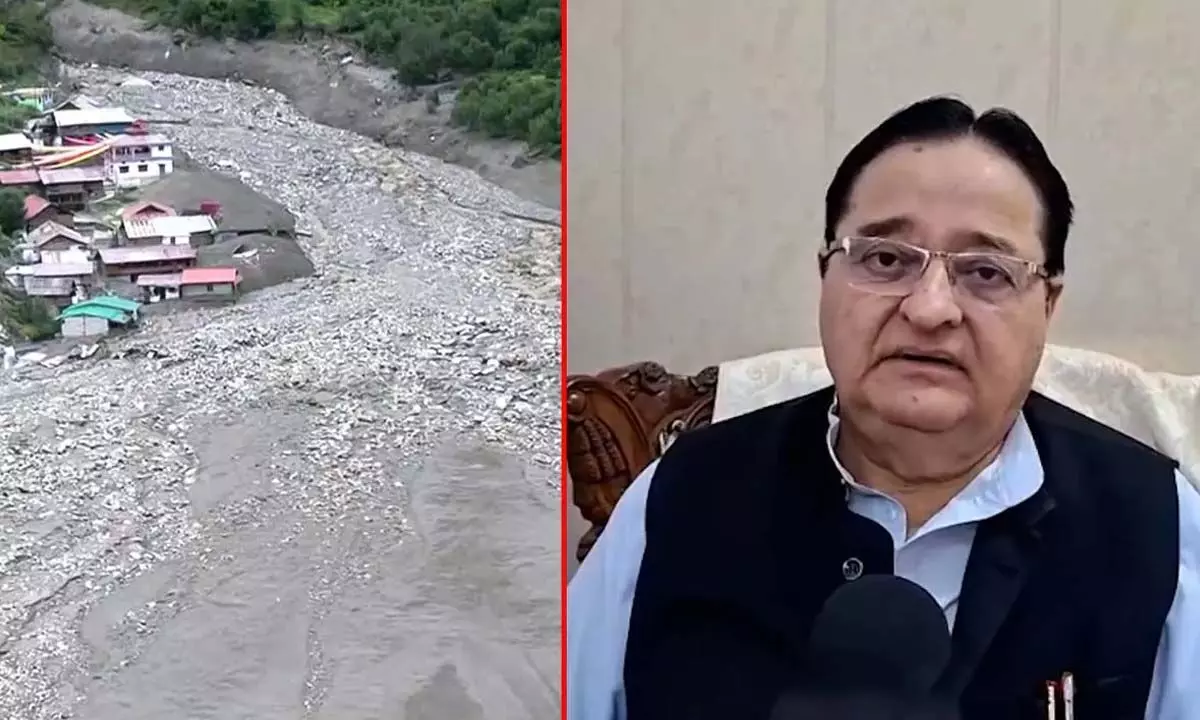
Samajwadi Party leader ST Hasan faces severe criticism for connecting Uttarakhand flash floods to bulldozer demolitions of religious structures, drawing condemnation from multiple parties.
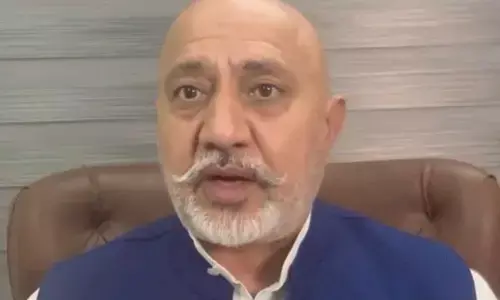
Samajwadi Party leader ST Hasan has ignited a major political controversy by drawing connections between the devastating flash floods in Uttarakhand and the government's bulldozer operations targeting religious structures in the state. His inflammatory comments have triggered widespread condemnation across party lines, with critics accusing him of exploiting natural disasters for political gain and spreading communal discord.
The contentious remarks emerged in response to the catastrophic cloudburst incident in Uttarakashi that resulted in five fatalities. Hasan's attempt to correlate the natural calamity with demolition activities against places of worship has been met with fierce backlash from various political quarters, including both ruling and opposition parties who have denounced the statement as inappropriate and divisive.
Congress Member of Parliament Imran Masood delivered a particularly harsh rebuke, describing such statements as the product of mental instability. He emphasized that individuals making such inflammatory remarks should fear divine retribution and avoid spreading hatred through their words. His criticism reflects the broader political consensus against using natural disasters as fodder for communal polarization.
Despite facing intense criticism from multiple directions, Hasan has remained steadfast in defending his controversial position. He expanded his argument beyond the immediate incident, claiming that various natural calamities are occurring due to severe ecosystem damage and indiscriminate deforestation practices. The SP leader argued that regardless of religious affiliation—whether Hindu, Muslim, Sikh, or Christian—all believers share faith in a divine creator, and consequently, places of worship including mosques, dargahs, and temples should remain protected from bulldozer operations. While acknowledging that authorities might evacuate such structures if necessary, he insisted they should be allowed to remain standing.
The backlash against Hasan's statements has been particularly severe from the Bharatiya Janata Party leadership. Uttar Pradesh minister Danish Azad Ansari condemned the remarks as completely inappropriate, arguing that mocking such tragic events does not suit leaders of the Samajwadi Party. He criticized what he perceived as an attempt to score political points even during tragic circumstances, calling upon SP leadership to demonstrate greater sensitivity toward human suffering.
BJP spokesperson Pradeep Bhandari launched an even more scathing attack, accusing Hasan of deliberately communalizing what should be treated as a natural tragedy. He alleged that the former SP parliamentarian was insulting Hindu communities while simultaneously downplaying the genuine suffering of Uttarkashi's Dharali village residents who bore the brunt of the cloudburst disaster. Bhandari's criticism highlighted what he characterized as the Samajwadi Party's tendency to view even death and disaster through the lens of Hindu-Muslim divisions.
The controversy has exposed deeper fault lines in Indian political discourse, particularly regarding the intersection of environmental issues, religious sensitivities, and political opportunism. While Hasan's concerns about deforestation and ecosystem damage reflect legitimate environmental issues that contribute to natural disasters, his decision to link these concerns with religious demolitions has been widely perceived as crossing acceptable boundaries of political commentary.
Environmental experts and disaster management specialists have long warned that uncontrolled development, deforestation, and climate change are increasing the frequency and severity of natural disasters in mountainous regions like Uttarakhand. However, the scientific consensus focuses on these measurable factors rather than drawing connections to religious or political activities unrelated to environmental degradation.
The timing of Hasan's remarks has also contributed to the intensity of the backlash, coming as rescue operations were still underway and families were grieving their losses. Political analysts note that exploiting human tragedy for partisan purposes typically generates negative public reaction across ideological lines, as demonstrated by the cross-party condemnation of his statements.
The incident reflects broader challenges facing Indian politics, where natural disasters and national tragedies sometimes become vehicles for advancing partisan agendas rather than opportunities for unified response and genuine problem-solving. The controversy surrounding Hasan's remarks illustrates how quickly legitimate policy discussions about environmental protection and religious rights can be overshadowed by inflammatory rhetoric that prioritizes political scoring over constructive dialogue.
The widespread rejection of Hasan's comments by leaders across the political spectrum suggests that there remain certain boundaries in Indian political discourse that are considered inviolable, particularly when it comes to exploiting human suffering for electoral or ideological advantage. However, the incident also highlights ongoing tensions between secular governance and religious sensitivities that continue to influence political debates in contemporary India.